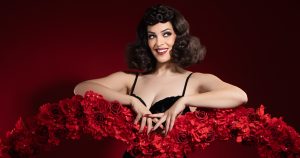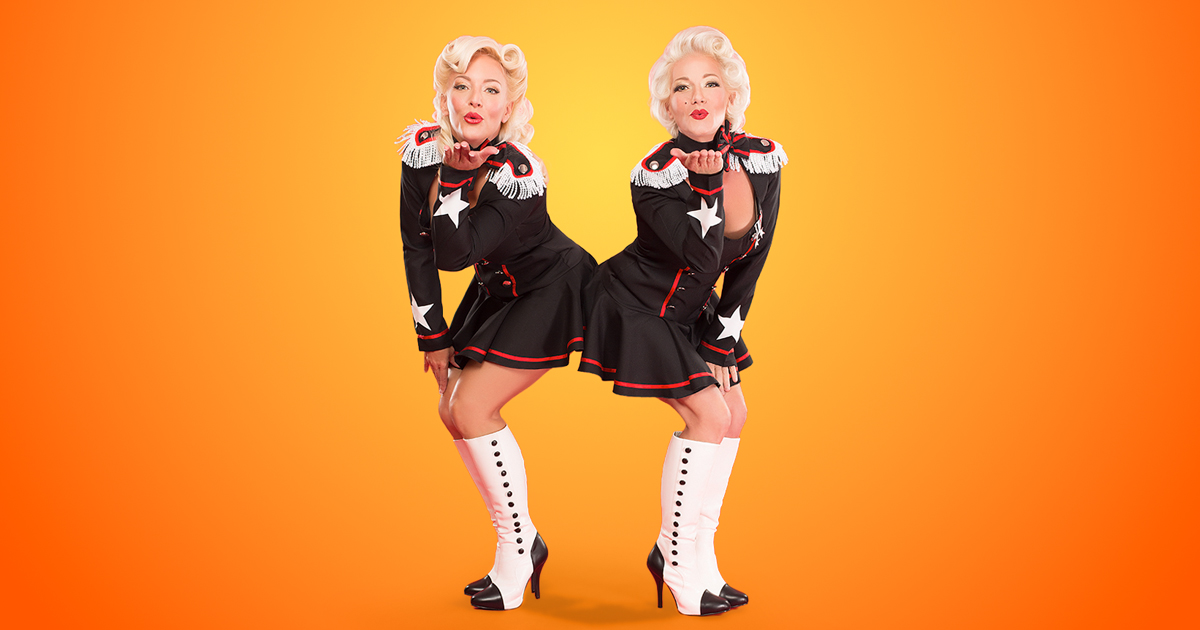
When we think about vintage pin-ups, we tend to picture perfectly coiffed hair, red lipstick, fabulous curves, and just the right amount of mischief. We remember the glamour, the playful poses, and the beautiful illustrations that made these women unforgettable. What we don’t always think about is the world happening around them.
But the history of pin-up art is about much more than pretty pictures. Throughout the twentieth century, pin-ups reflected changing attitudes toward women, sexuality, patriotism, race, fashion, and personal freedom. Sometimes they challenged society’s expectations, sometimes they reinforced them, and occasionally they managed to do a little of both. After all, even the most glamorous woman in the room doesn’t exist in a vacuum.
A Little Lipstick, a Lot of Patriotism
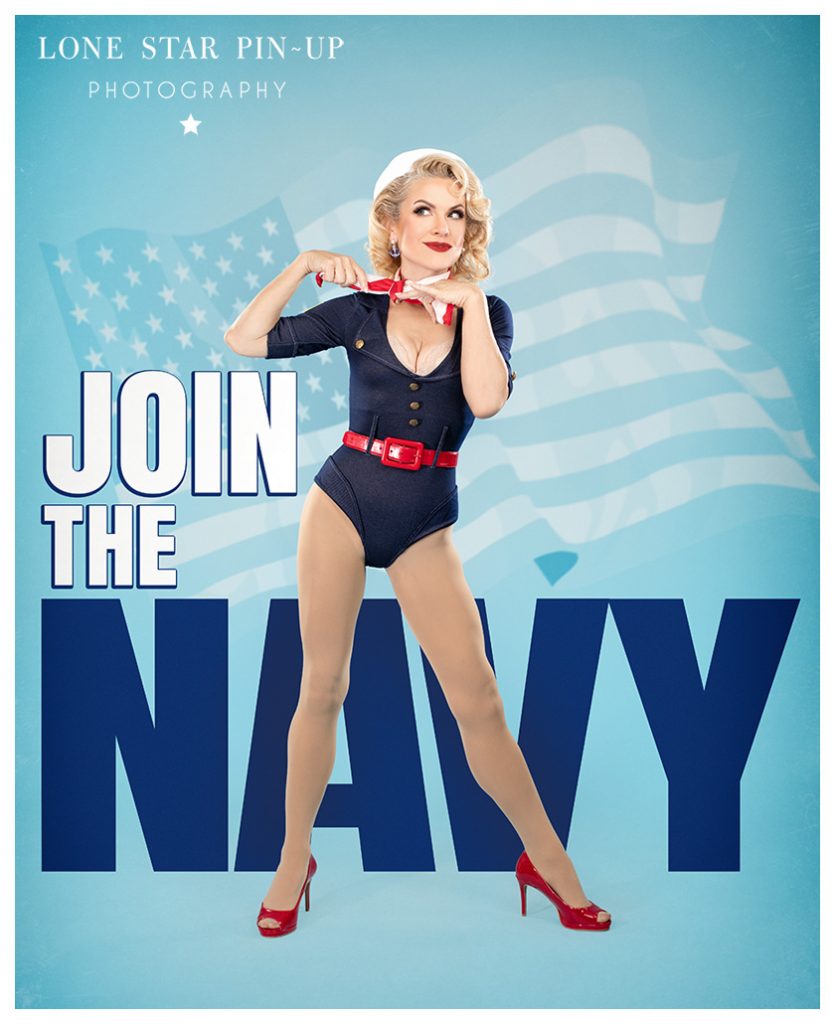
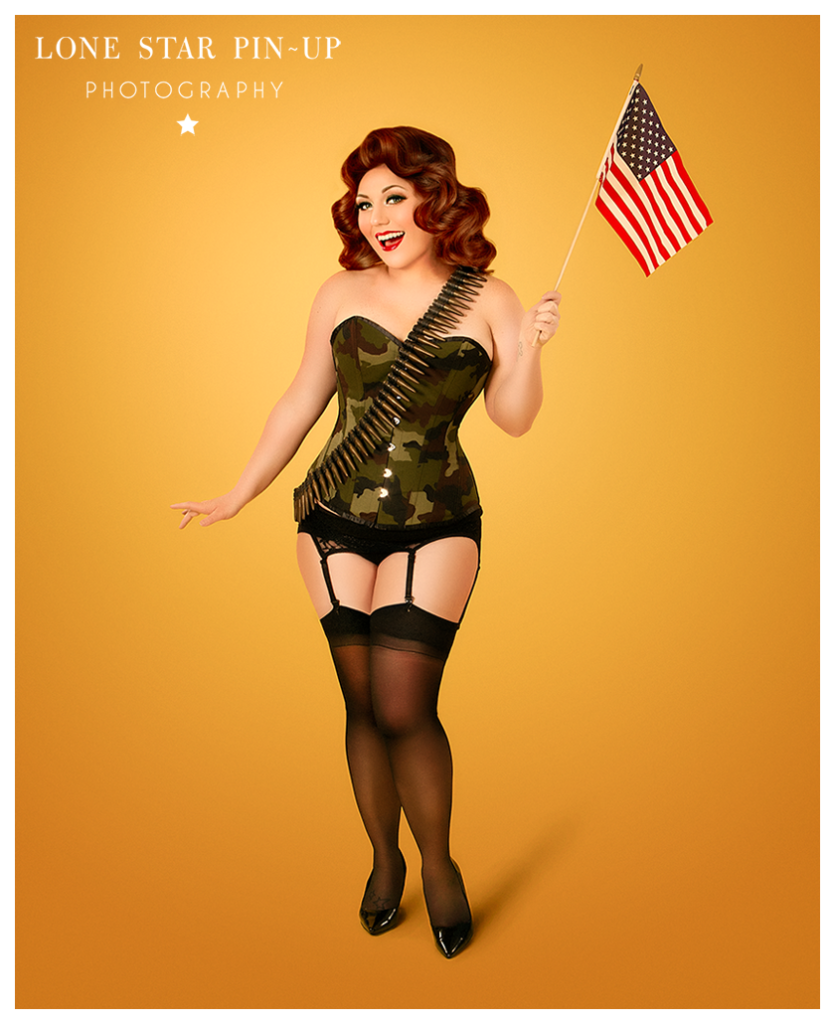
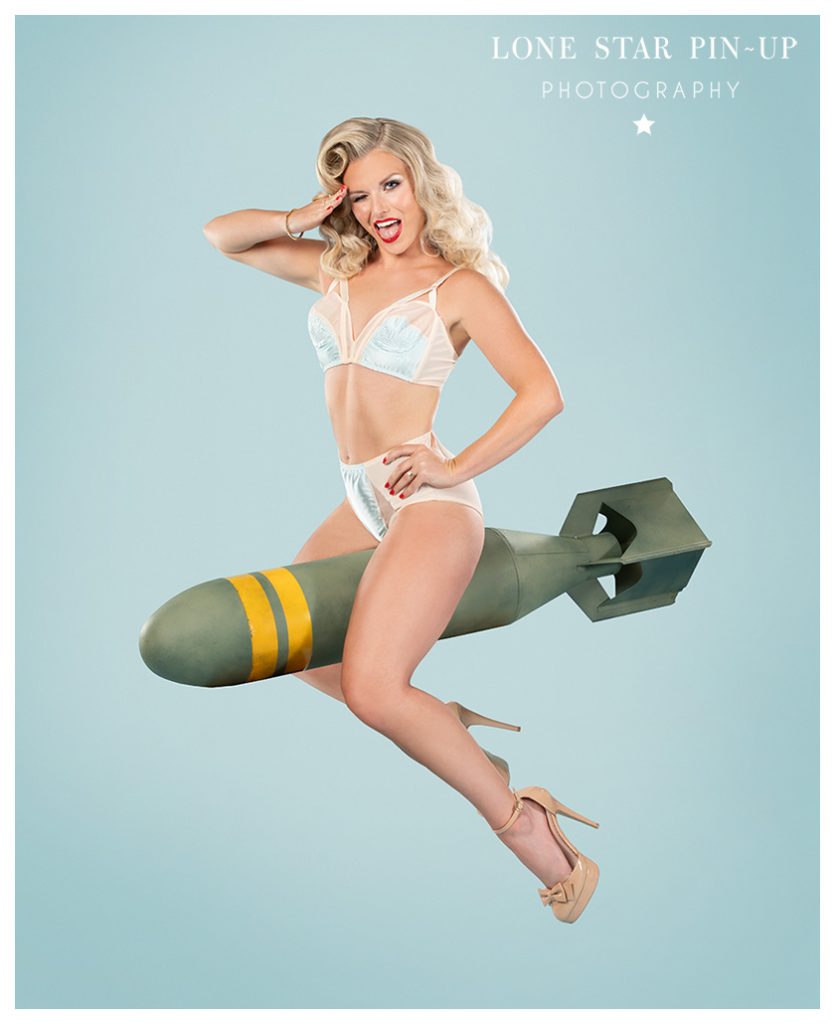
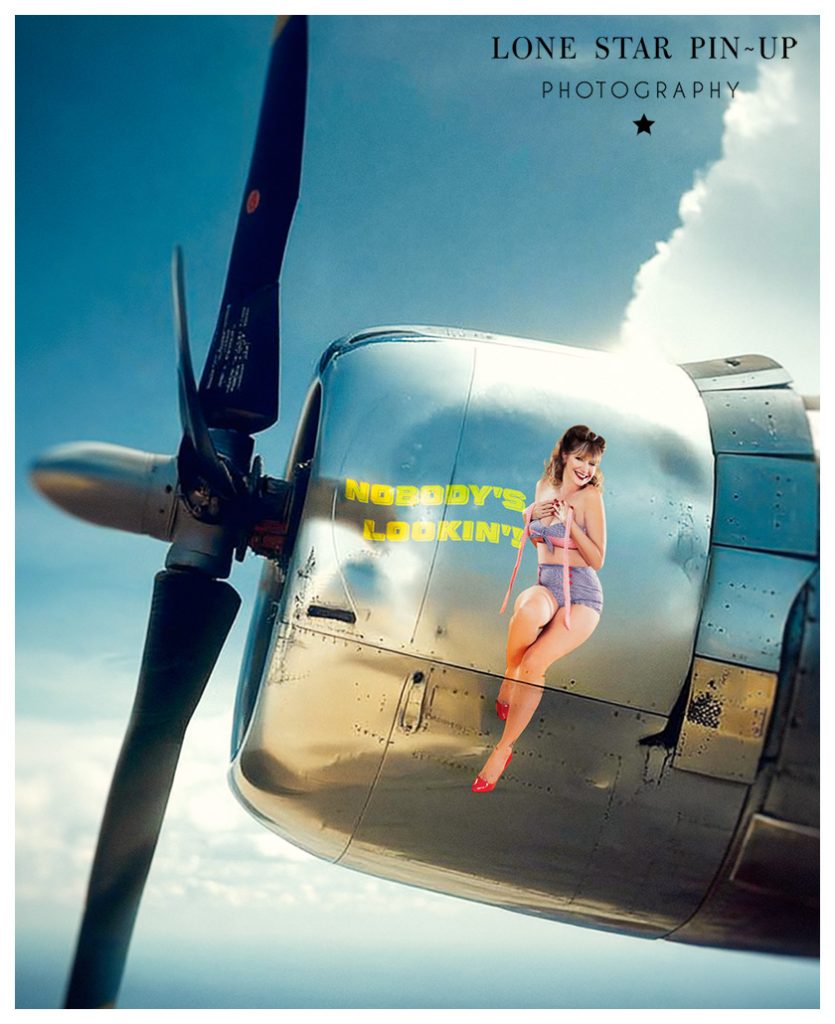
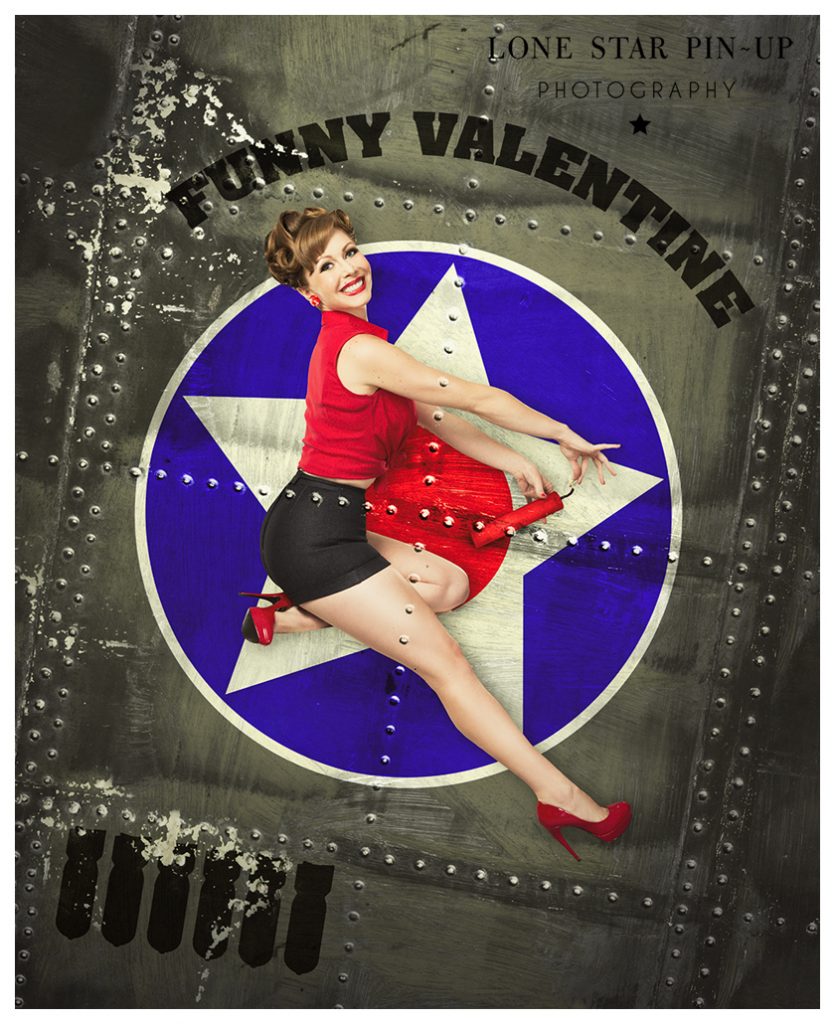
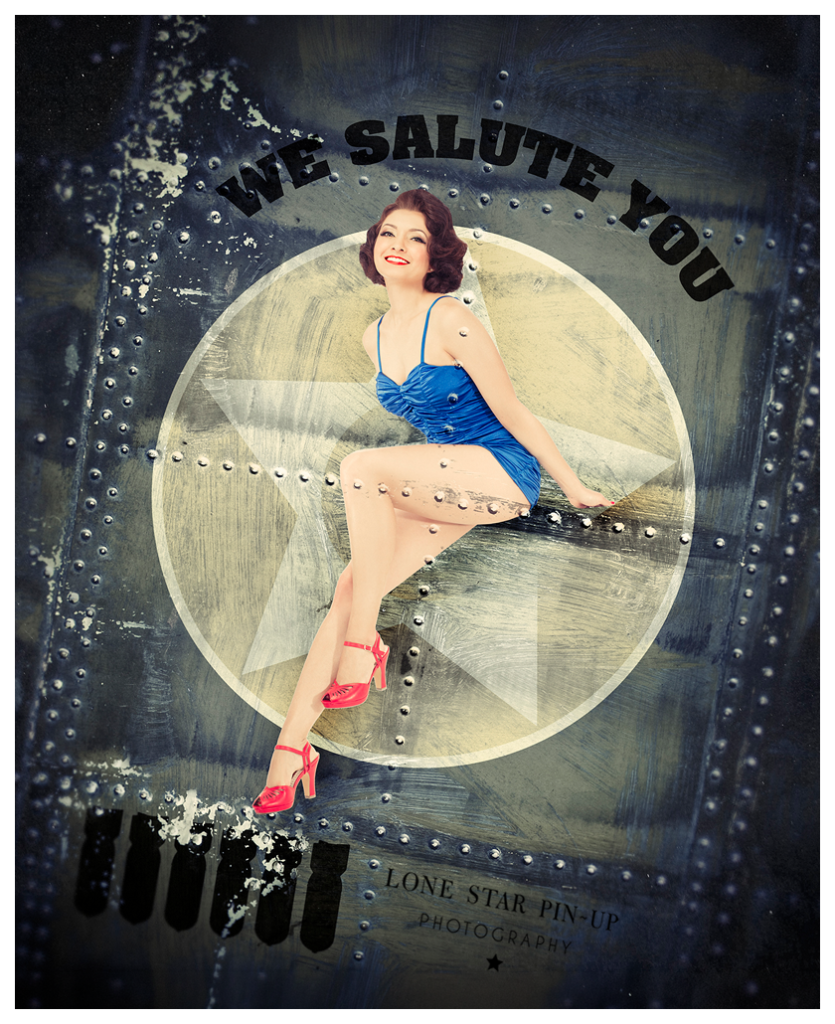
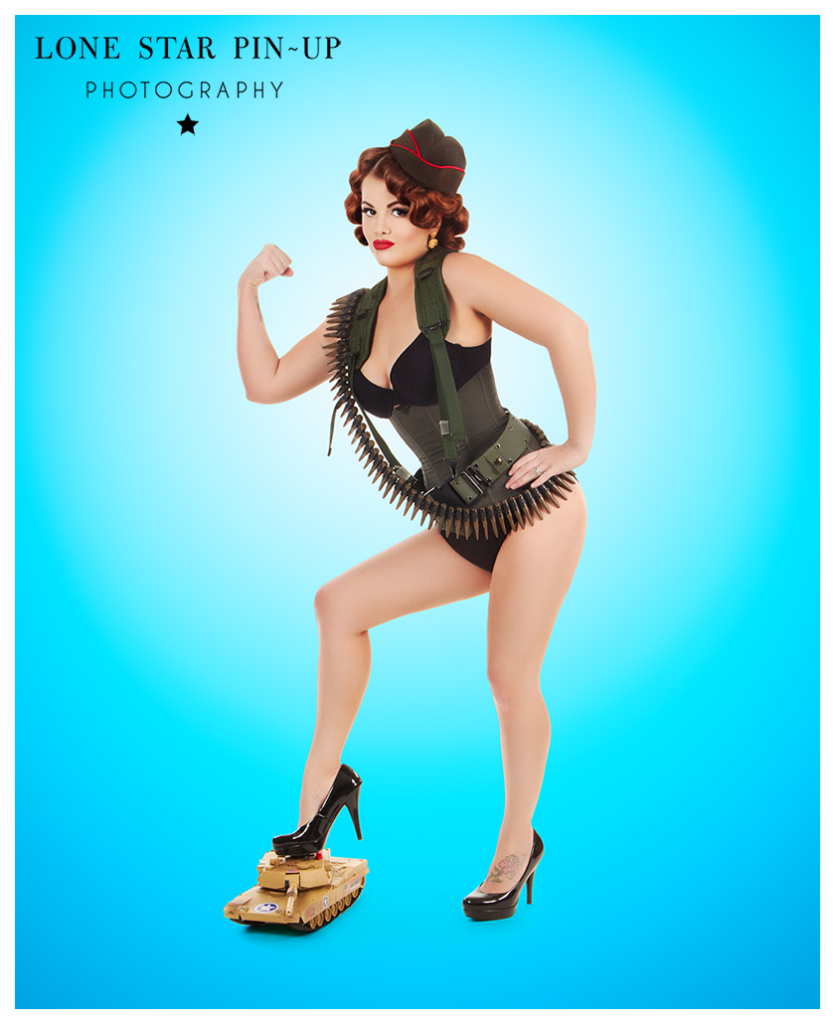
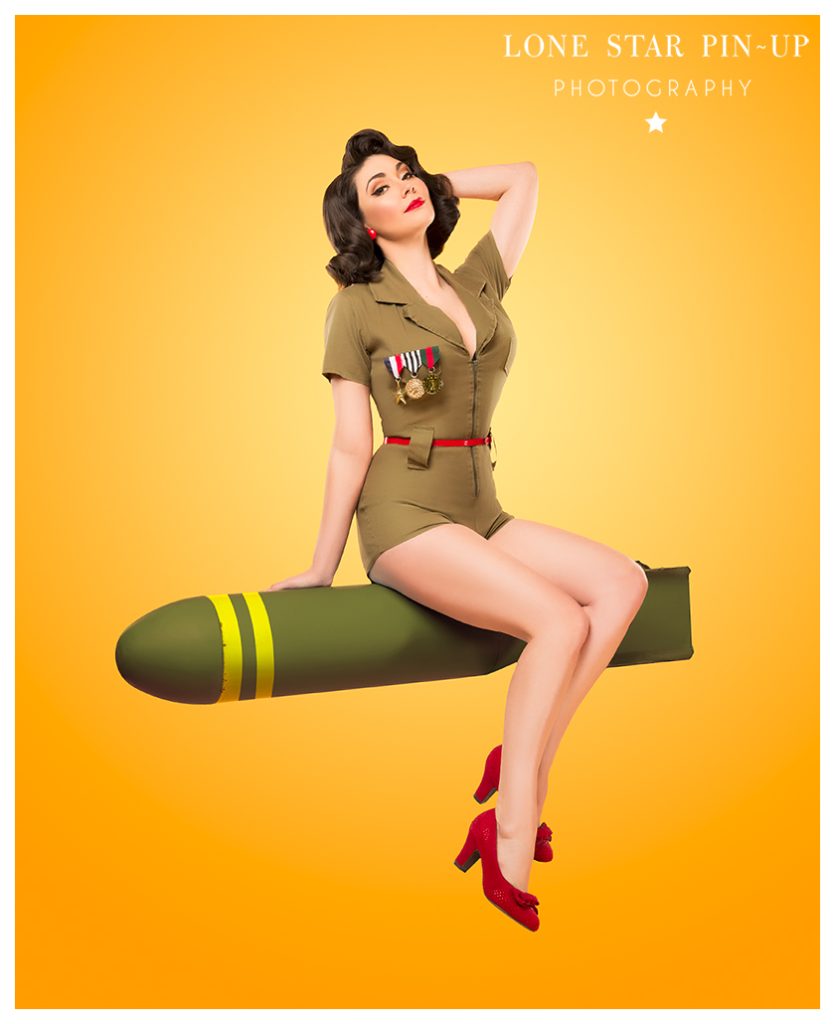
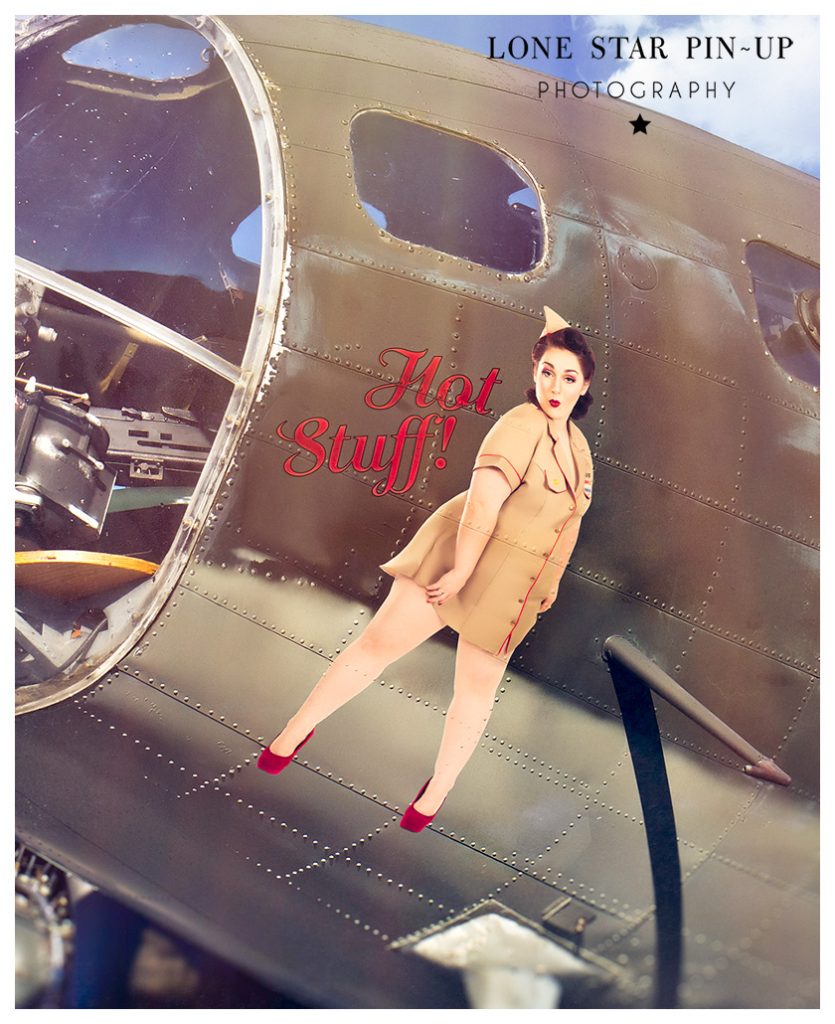
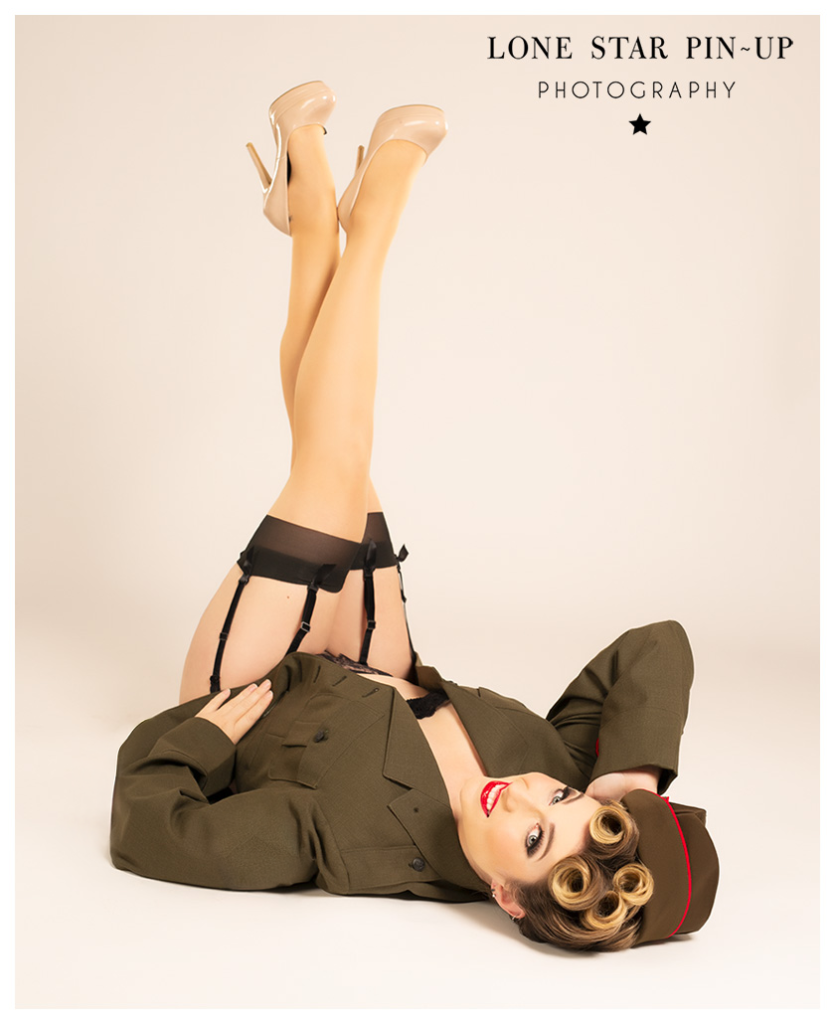
During World War II, pin-up art became an unmistakable part of American military culture. Illustrations by artists like Alberto Vargas and Gil Elvgren appeared in magazines, calendars, and eventually on the noses of military aircraft. Photographs of Hollywood stars like Betty Grable and Rita Hayworth traveled overseas, offering servicemen a familiar reminder of home.
Those images were certainly appreciated for their beauty, but they served another purpose, too. They boosted morale, helped crews establish a shared identity, and represented the lives and loved ones waiting back home. In a war that touched nearly every aspect of American life, even a glamorous illustration could become part of the national story.
And while those famous aircraft pin-ups are now celebrated as nostalgic Americana, military officials didn’t always approve of them. Some artwork pushed the boundaries of what commanders considered acceptable, turning a cheeky illustration into a small act of rebellion. Not bad for a girl in a bathing suit.

The Complicated Business of Being a Woman
The 1940s and 1950s gave us some of the most recognizable pin-up imagery in history, but they were also decades filled with conflicting messages about women’s roles.
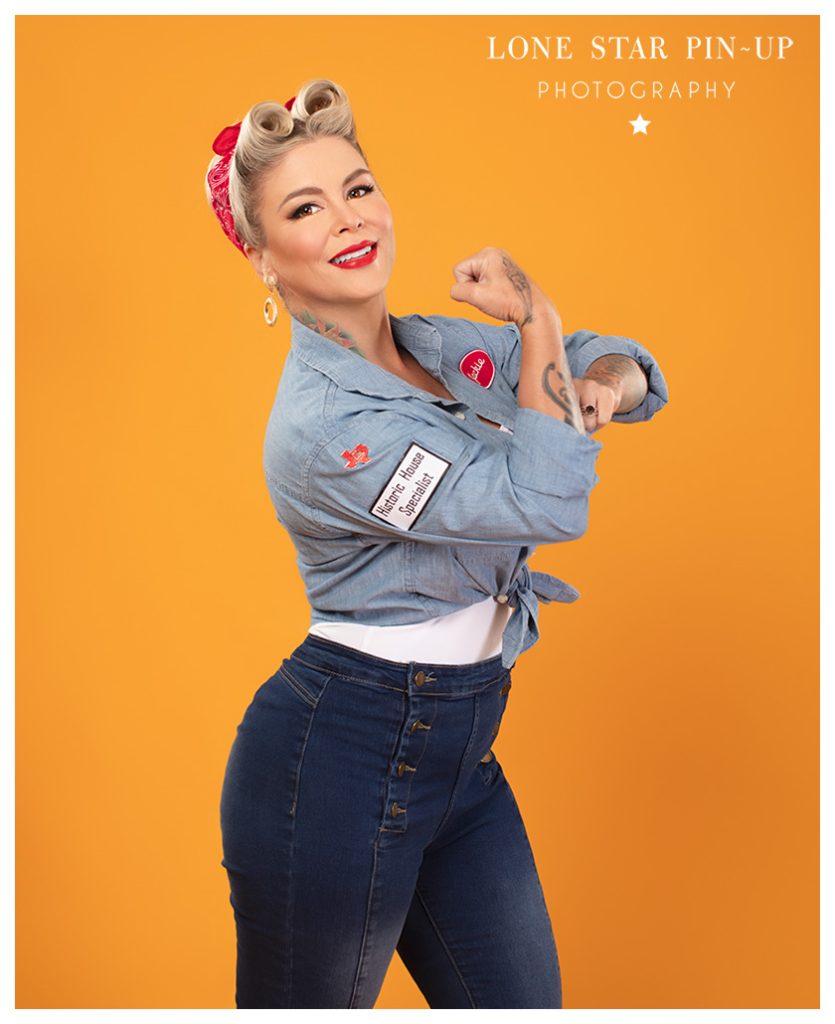
During the war, women were encouraged to enter factories and take on jobs traditionally held by men. Afterward, popular culture increasingly emphasized marriage, motherhood, and domestic life. Meanwhile, pin-up illustrations presented women as playful, flirtatious, independent, and occasionally delightfully uninterested in behaving themselves.
Of course, these images weren’t necessarily created to challenge traditional gender roles. Many were produced primarily for male audiences, and the women they depicted often represented a very particular ideal of beauty. But they also reveal the contradictions of their time. Society could celebrate a woman’s confidence and sex appeal in a photograph while placing considerable restrictions on her independence in everyday life. Apparently, being fabulous was encouraged, provided you didn’t get too carried away with the freedom part.

Glamour Wasn’t Equally Accessible to Everyone
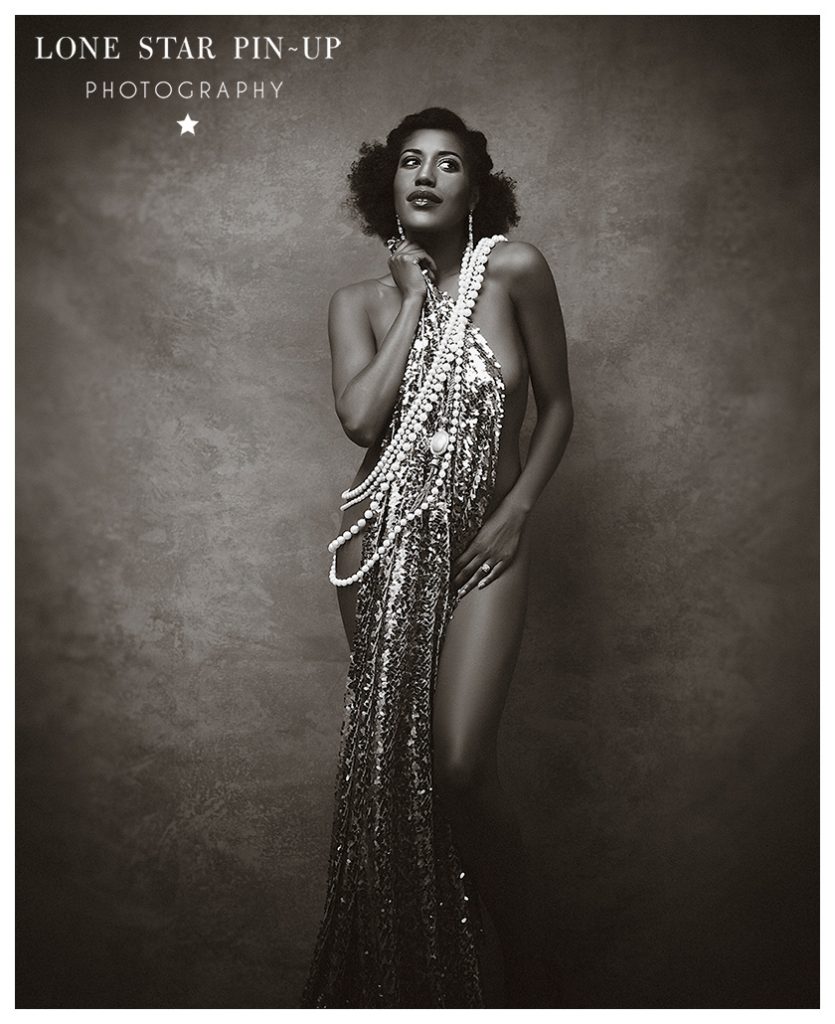
The Golden Age of Hollywood gave us extraordinary Black performers and style icons, including Dorothy Dandridge, Lena Horne, and Josephine Baker. Their beauty, talent, and unmistakable glamour helped shape popular culture, even as racial discrimination limited their professional opportunities.
Hollywood’s standards of beauty were never entirely separate from its racial politics. Black actresses faced barriers to leading roles, unequal publicity, and restrictions that their white contemporaries often escaped. Segregation also shaped where performers could work, travel, and stay.
The images that survive from this era tell us as much about who was celebrated as they do about who was overlooked. That’s one reason we love revisiting vintage glamour with a broader perspective. There was never just one kind of beautiful woman in history, even if the magazines and movie studios of the time didn’t always reflect that reality.
When a Pin-up Became a Scandal
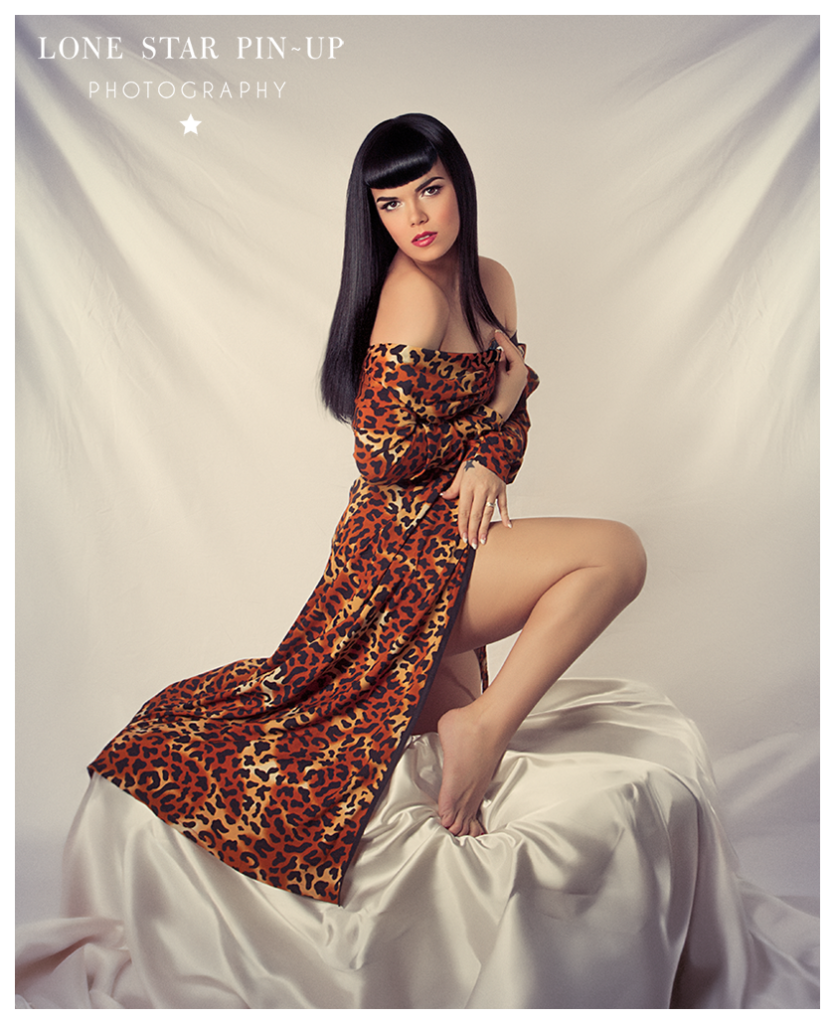
Then there’s Bettie Page. With her famous jet-black bangs, mischievous smile, and unapologetically provocative photographs, Bettie became one of the most recognizable pin-up models of the 1950s. Her work ranged from playful beach photographs to fetish imagery that pushed well beyond the era’s mainstream standards of respectability. Not everyone was amused…
During the 1950s, public debates about obscenity and morality brought increasing scrutiny to pin-up photography and the people who produced it. Bettie’s photographs became entangled in that controversy, including a Senate investigation into pornography.
Today, her image appears on everything from clothing to collectibles, and her distinctive style remains a favorite among vintage enthusiasts. It’s an interesting reminder that yesterday’s scandal can become tomorrow’s beloved fashion inspiration. Society has a funny way of changing its mind about what’s acceptable.
Feminism, Freedom, and the Right to Be Fabulous
As women’s liberation movements gained momentum in the 1960s and 1970s, pin-up imagery became part of a much larger conversation about sexuality, beauty standards, and the representation of women. Some critics viewed pin-ups as examples of women being reduced to decorative objects for male enjoyment. Others saw opportunities for women to express their sexuality, embrace their femininity, and challenge expectations about how a respectable woman should behave.
Both perspectives raised questions that are still relevant today: Who controls the image? Who is it intended for? And does being photographed in a glamorous or provocative way automatically mean surrendering your power? There isn’t one simple answer, and there never has been. A photograph can be playful, commercial, artistic, empowering, objectifying, or several of those things at once. The circumstances surrounding its creation matter just as much as the finished picture.
The Modern Pin-up Has Her Own Ideas
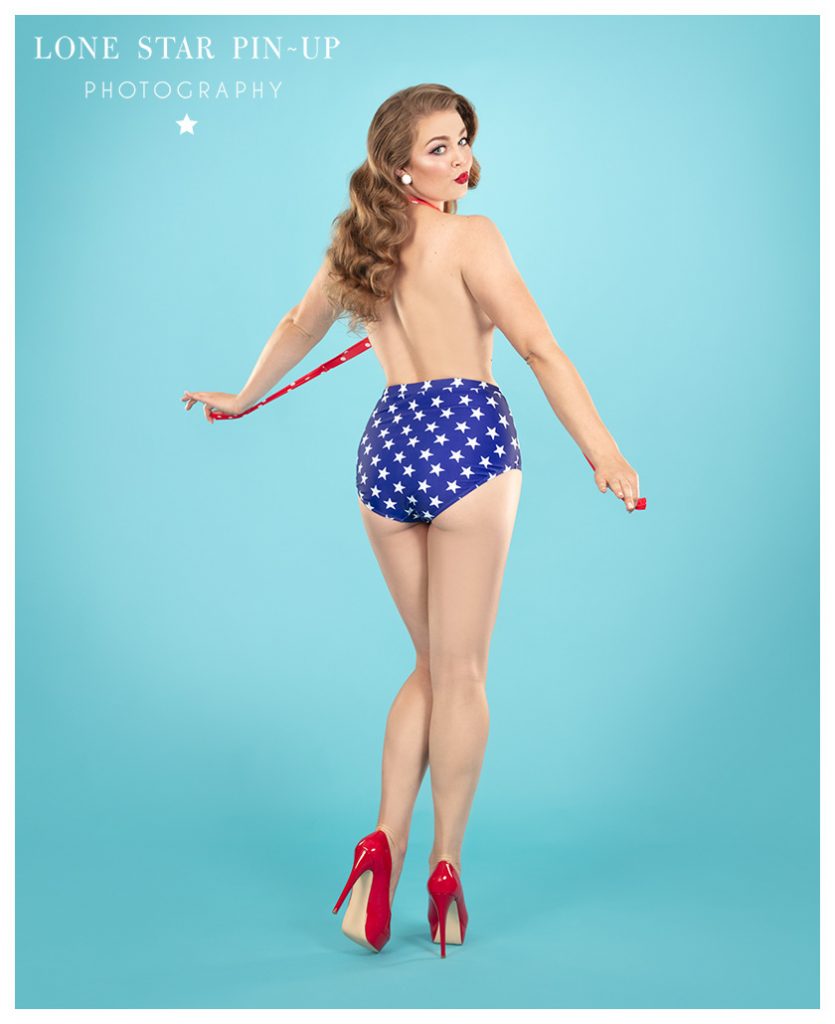
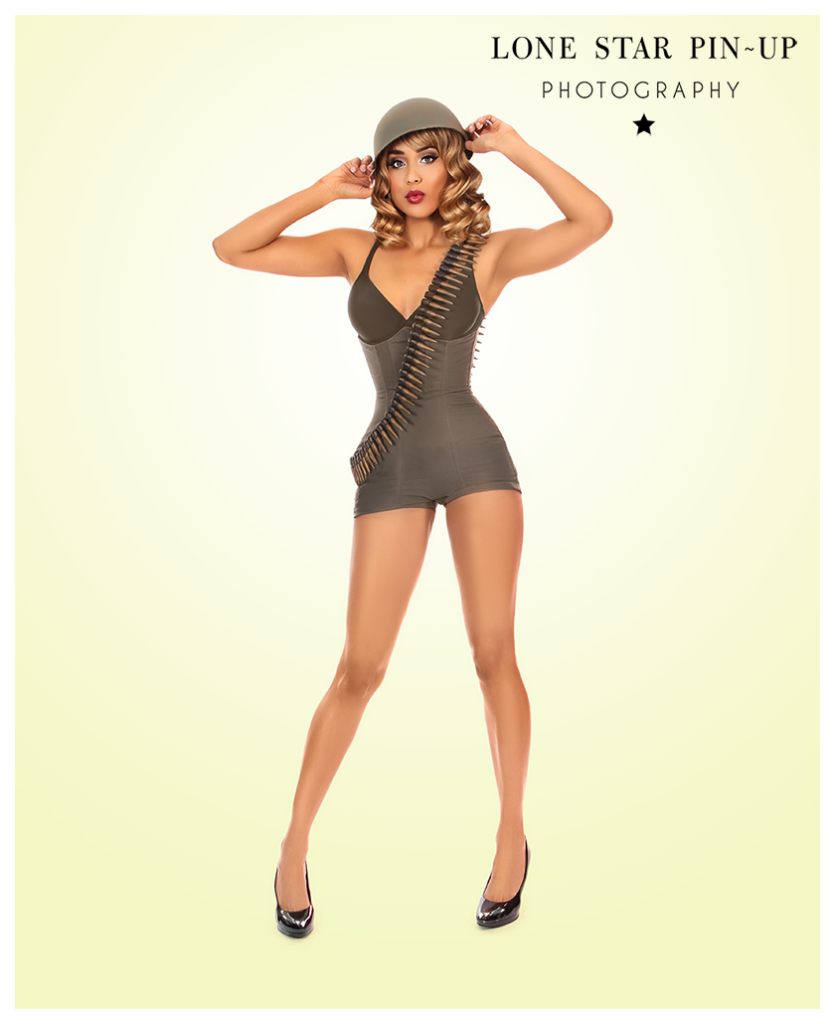
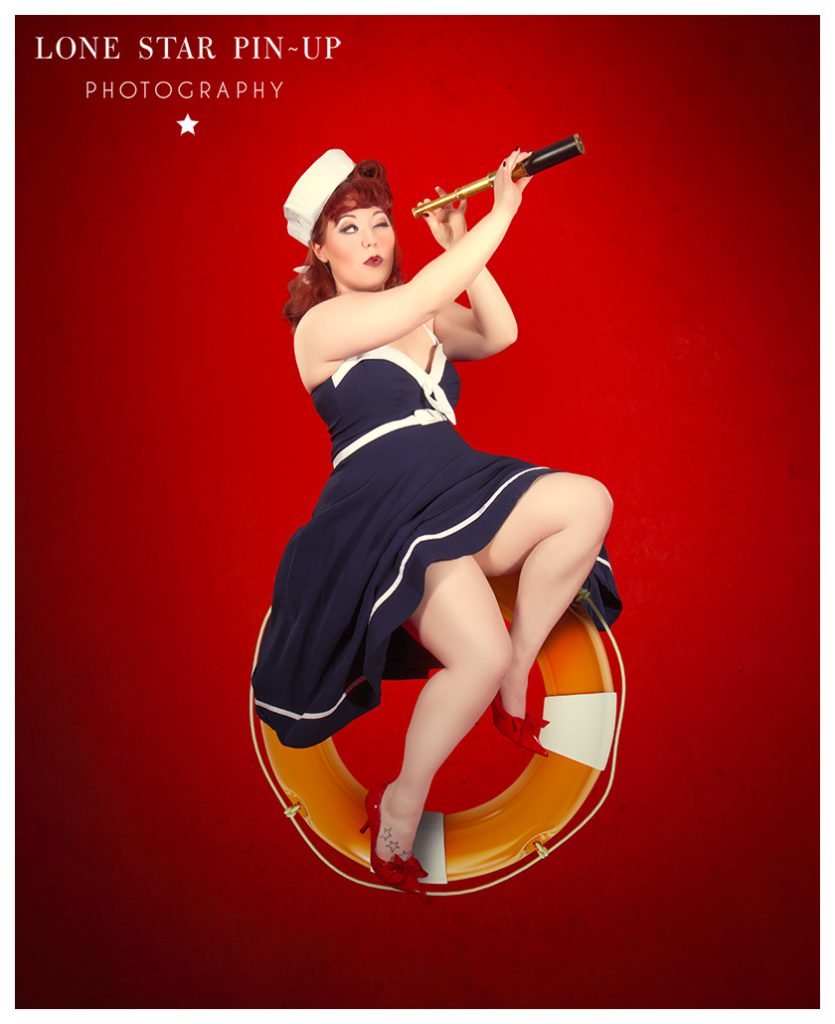
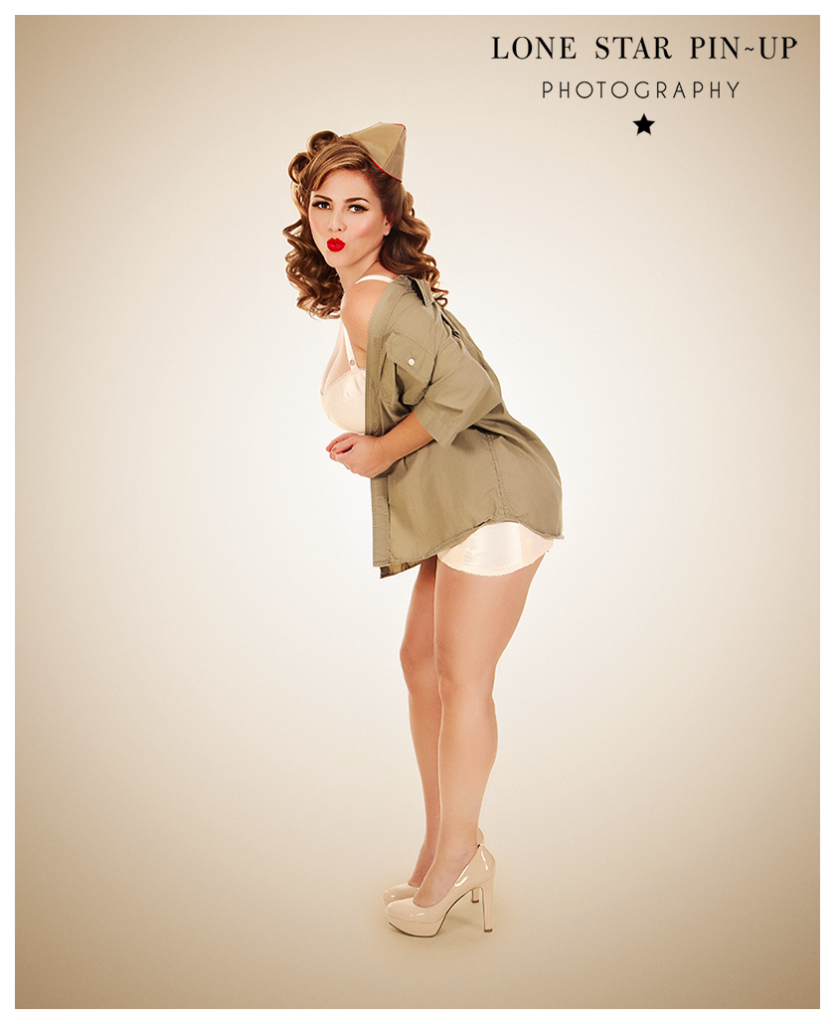
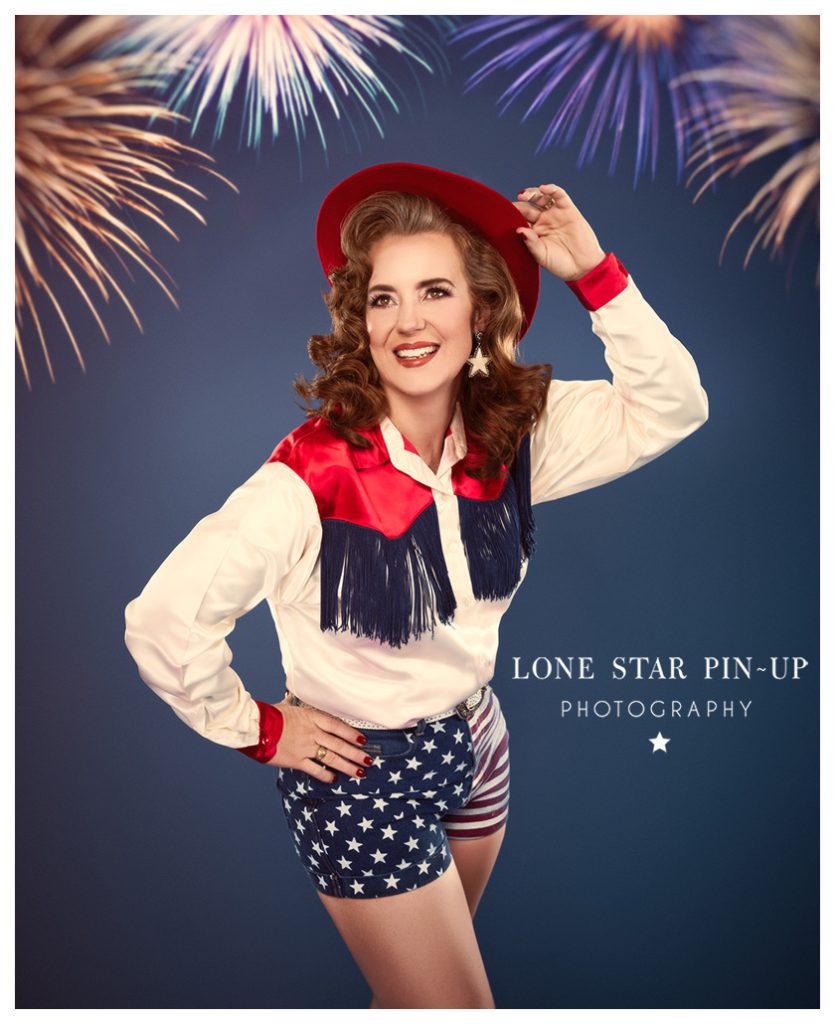
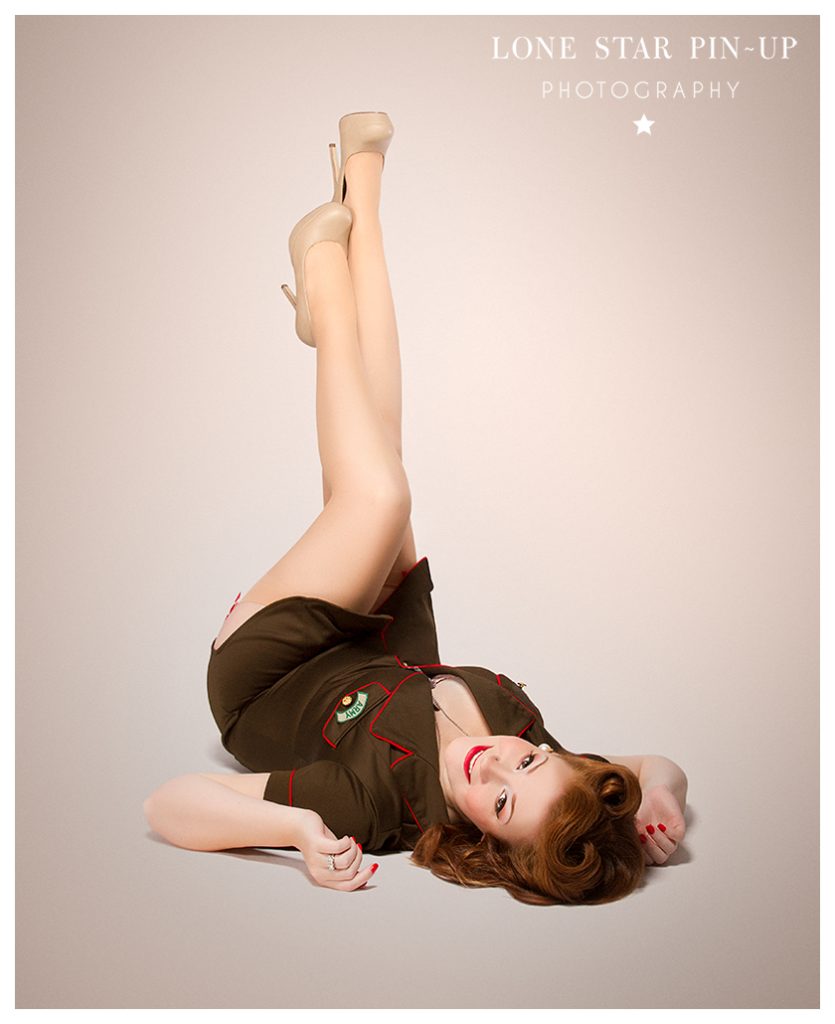
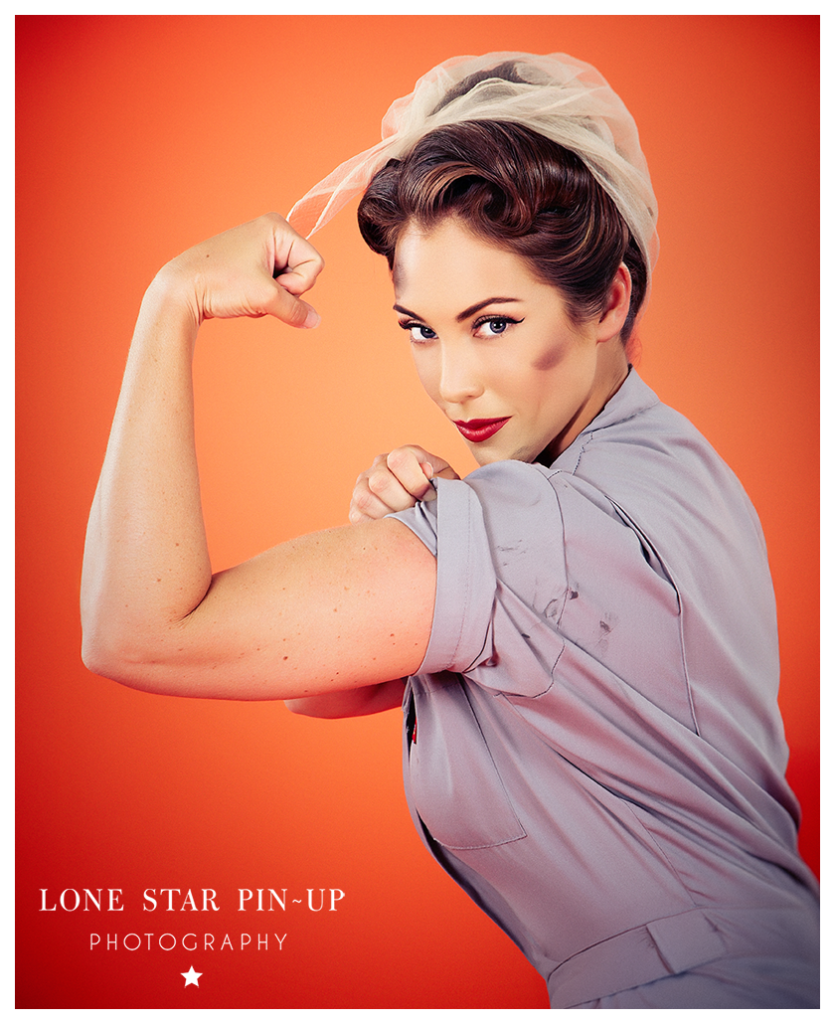
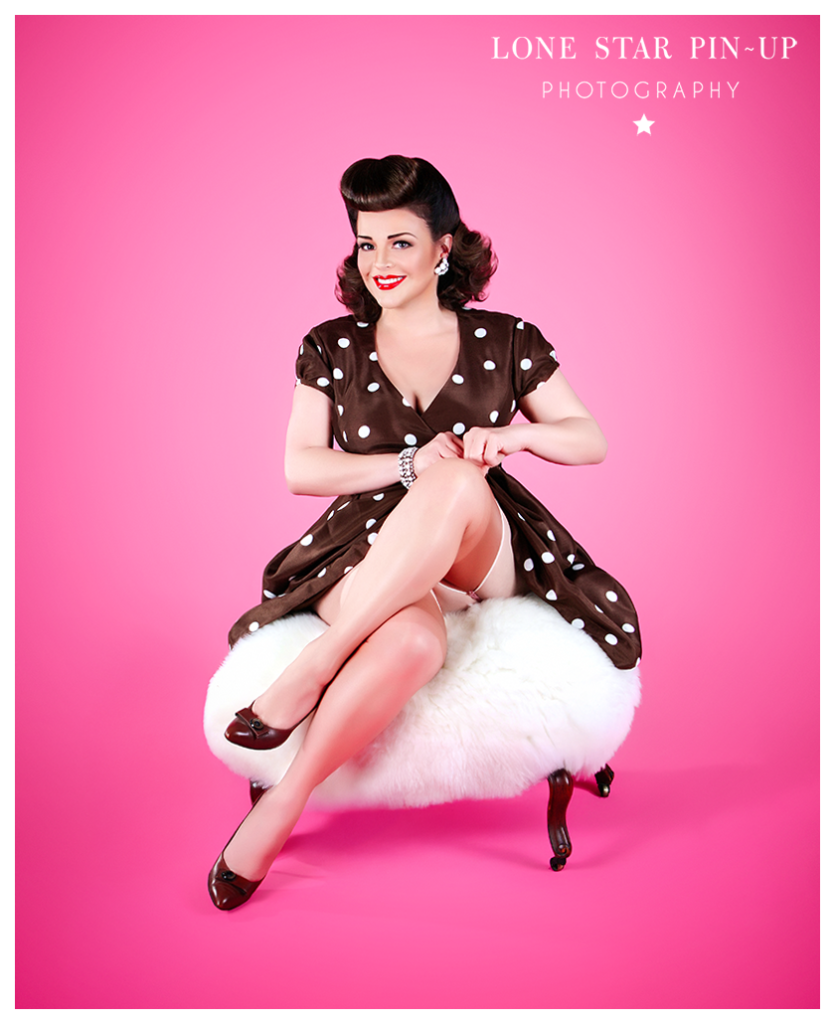
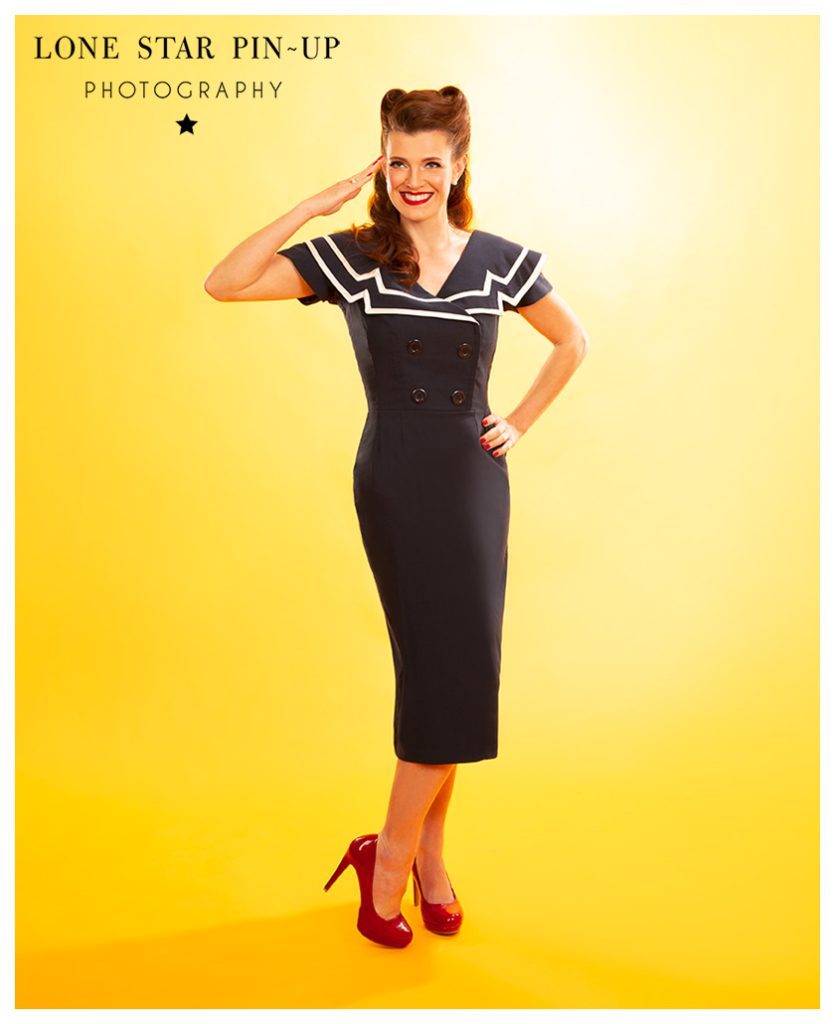
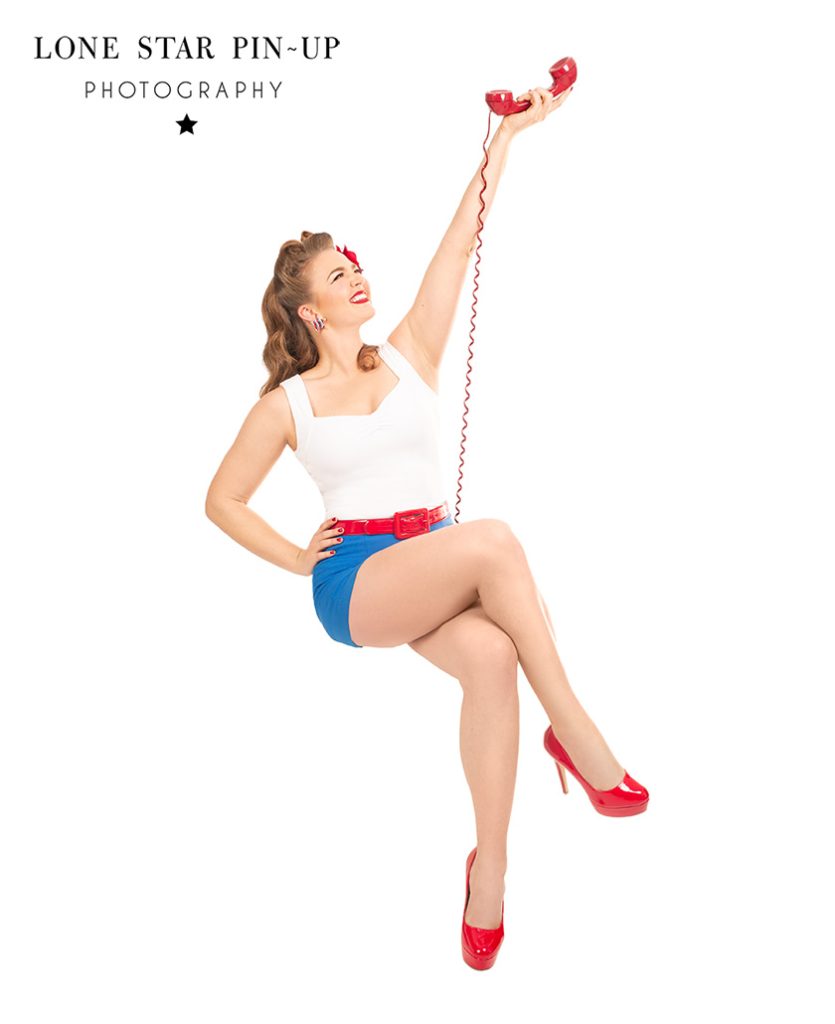
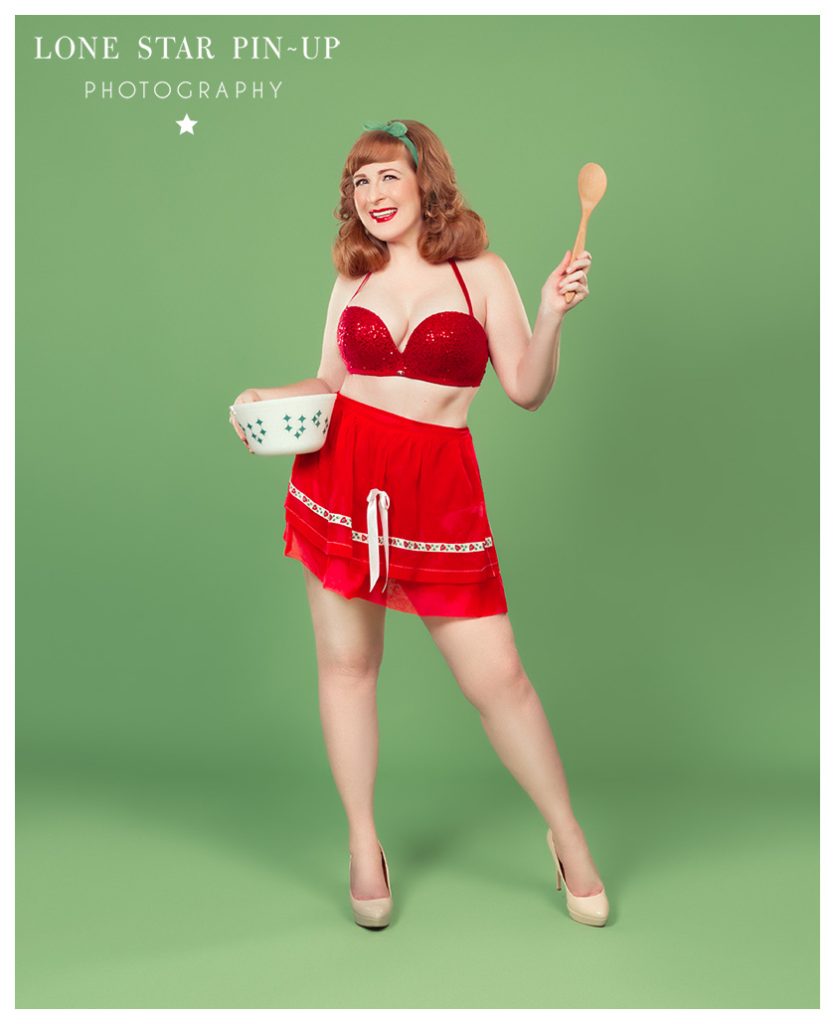
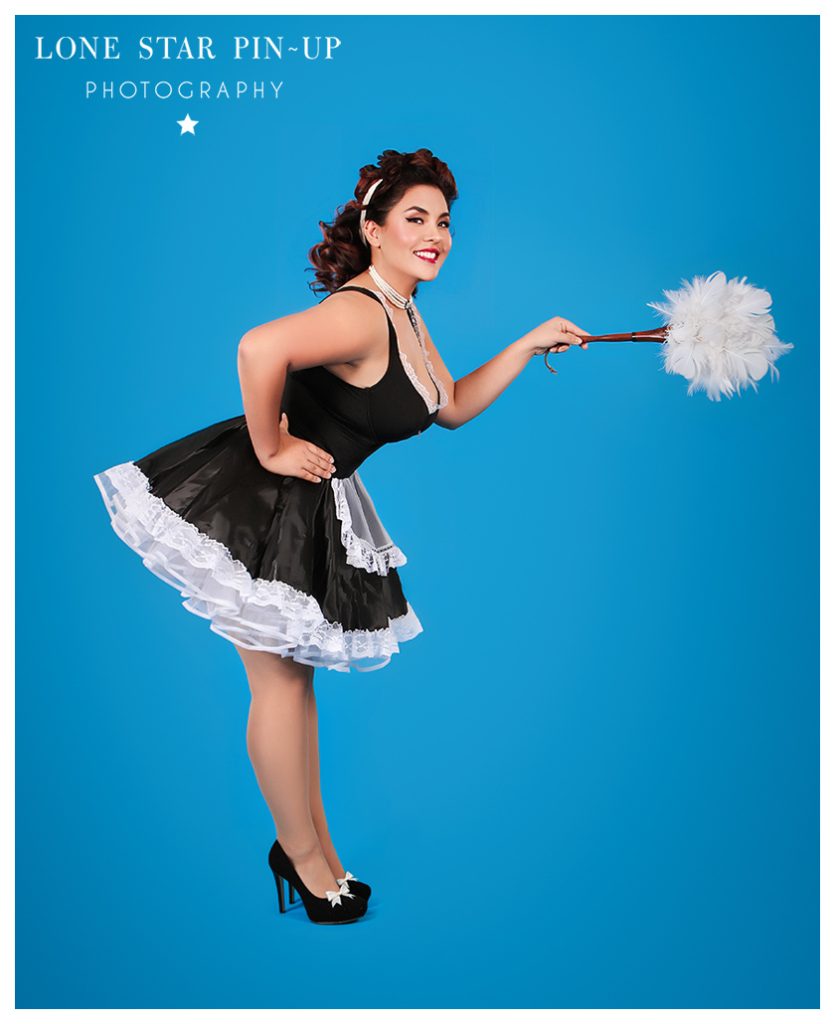
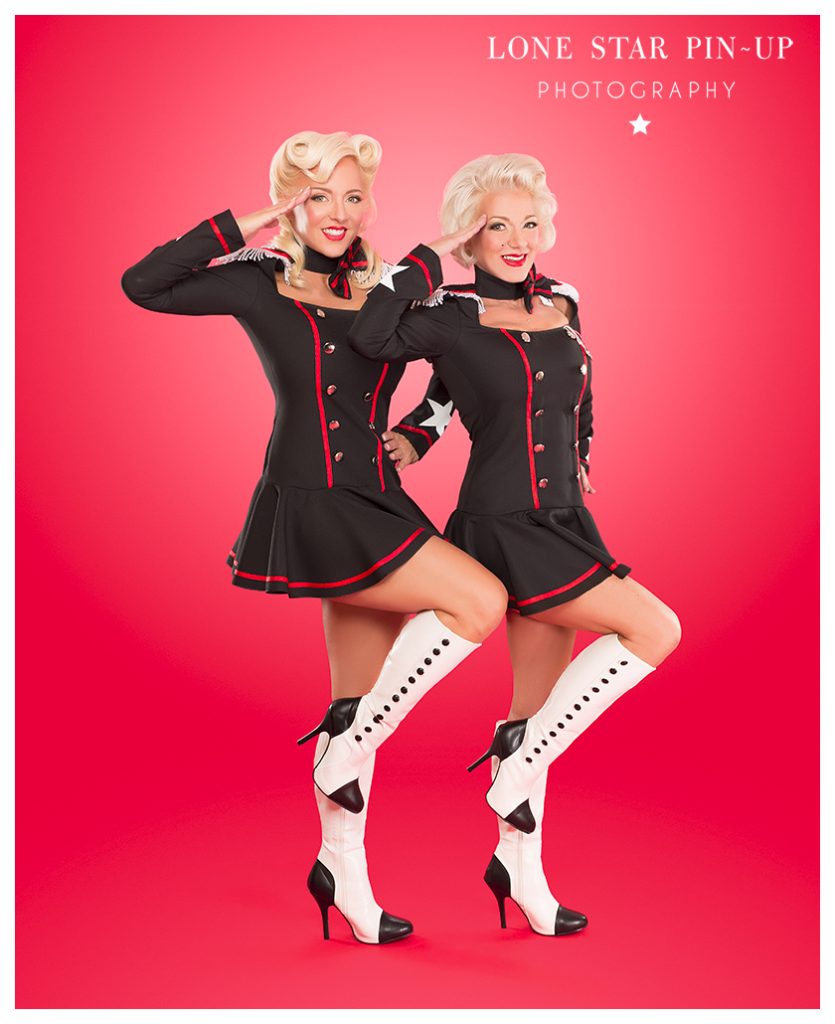
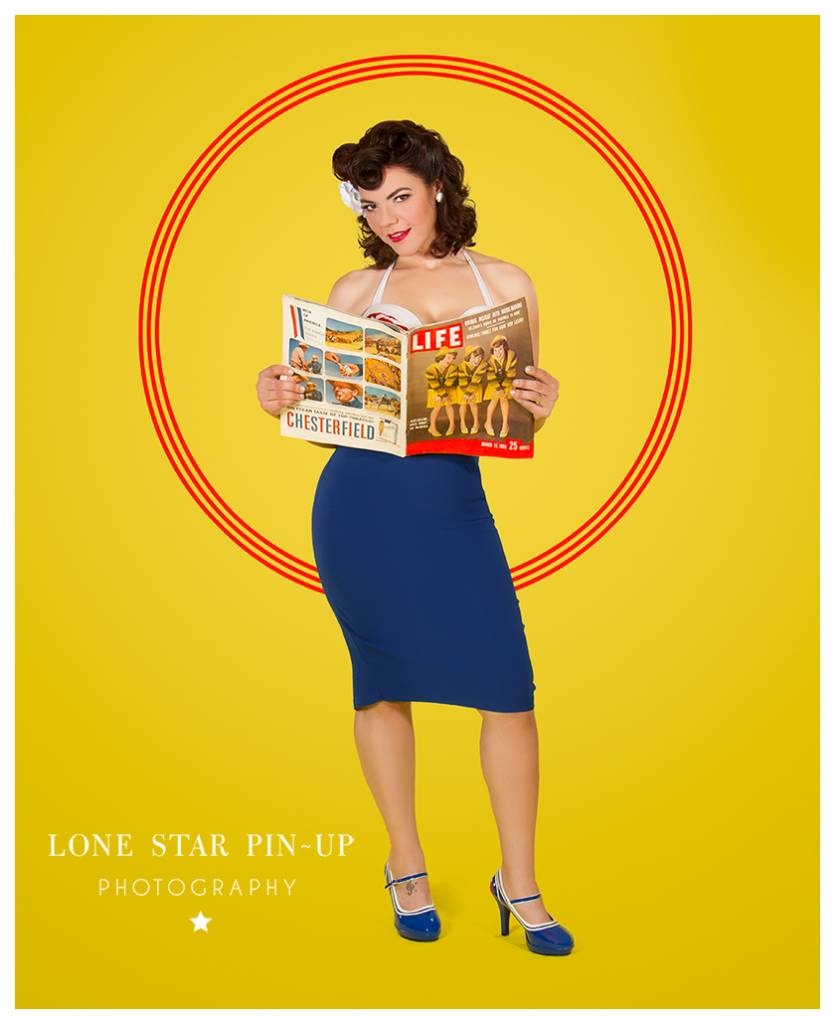
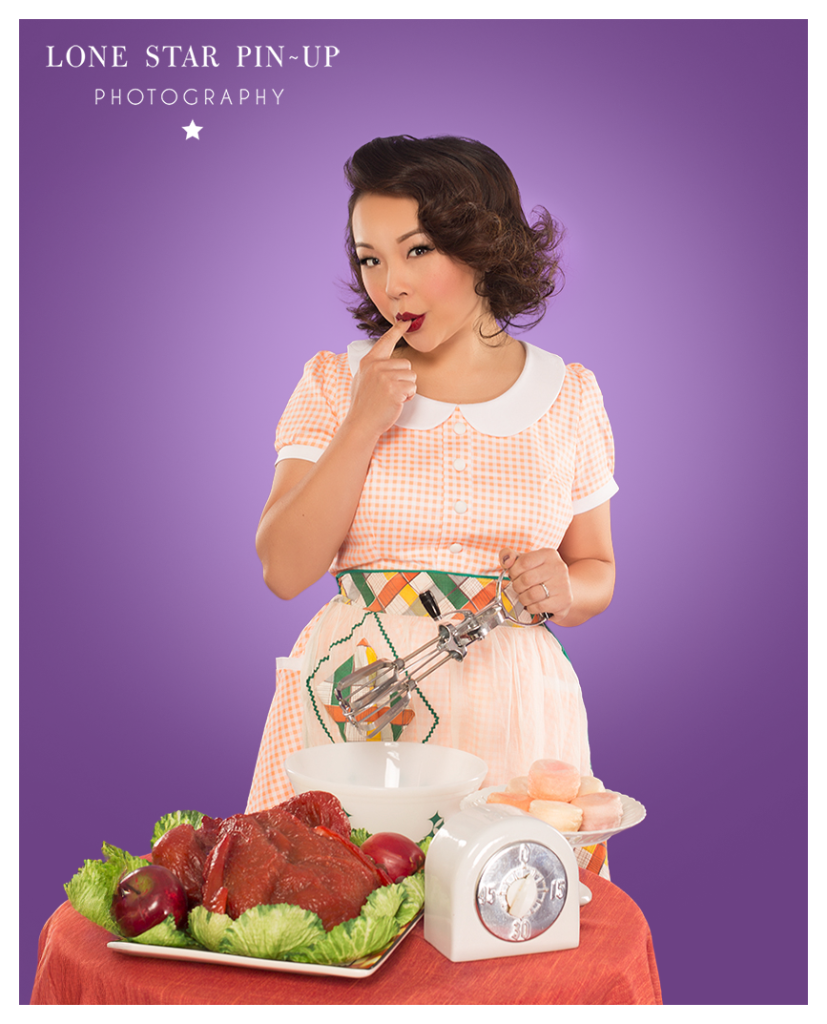
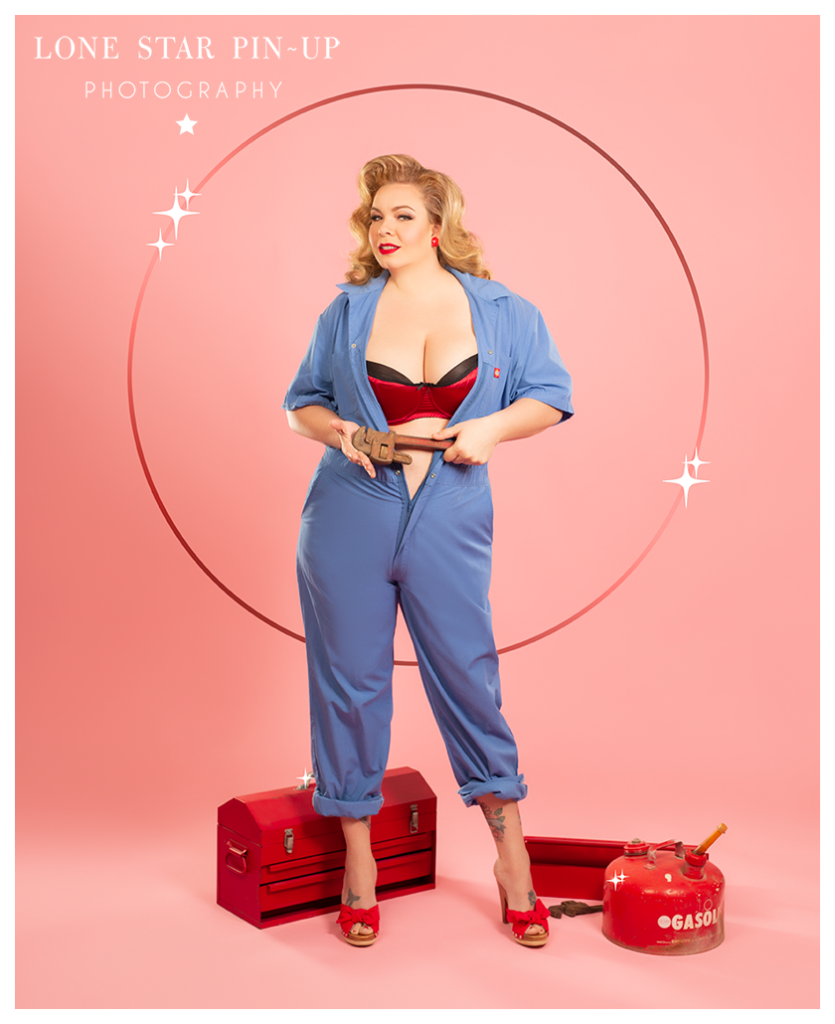
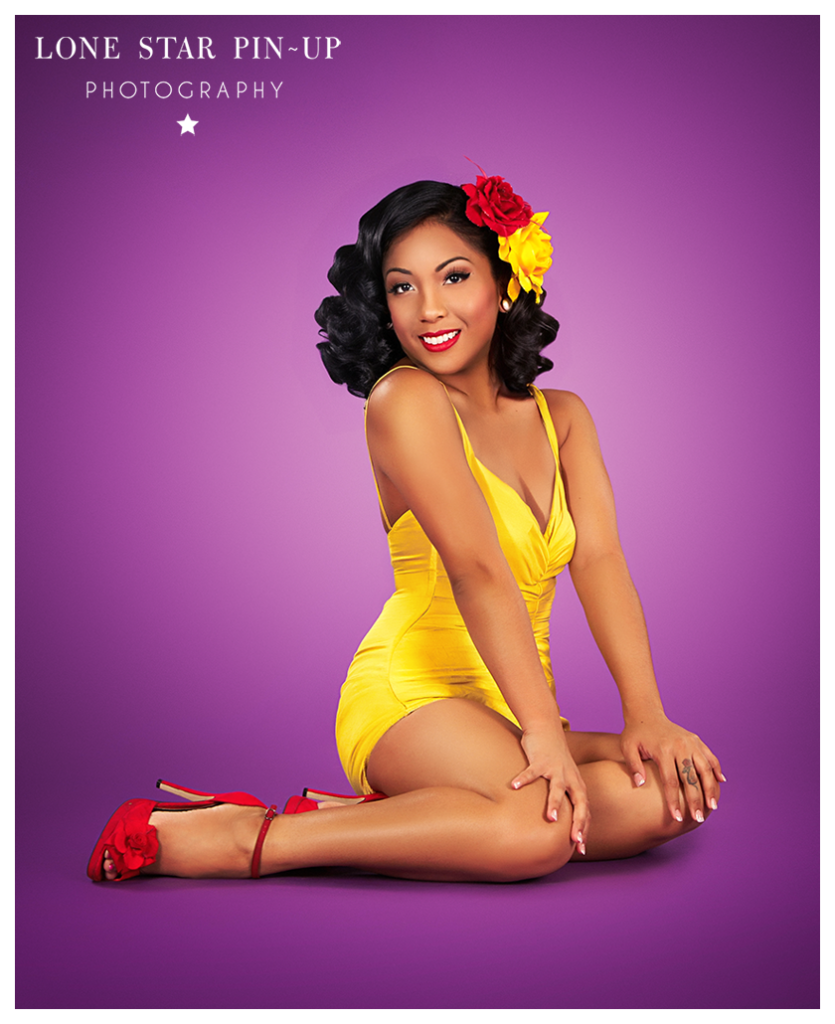
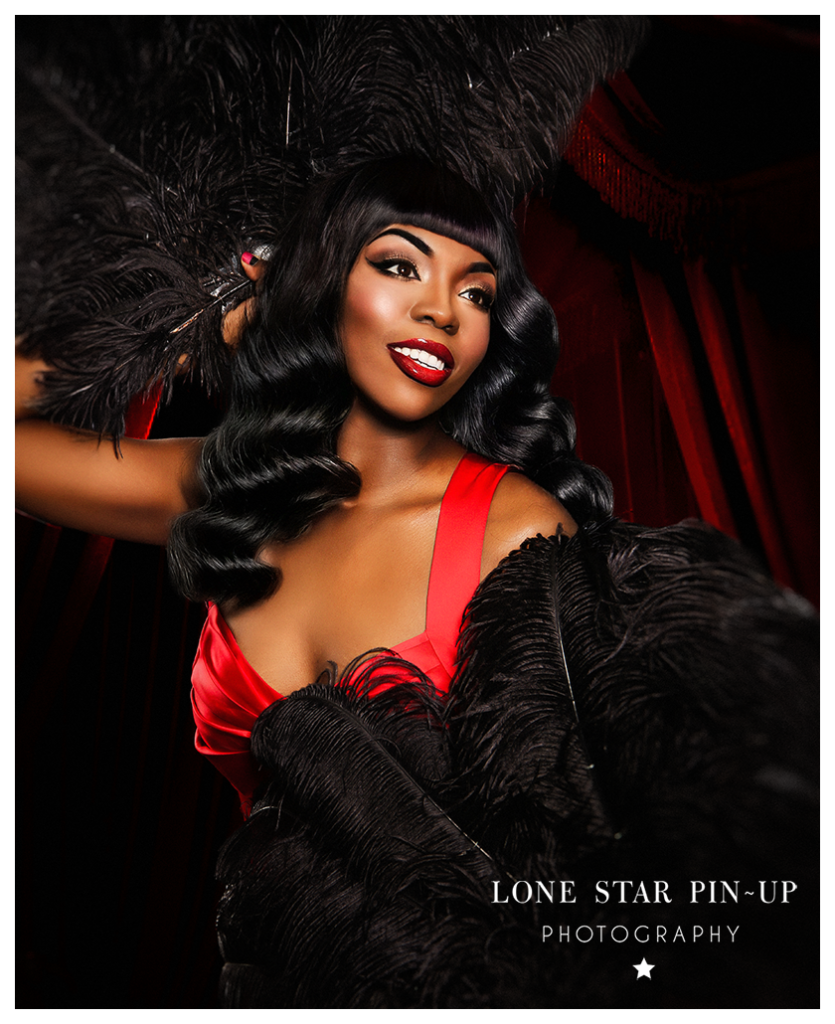
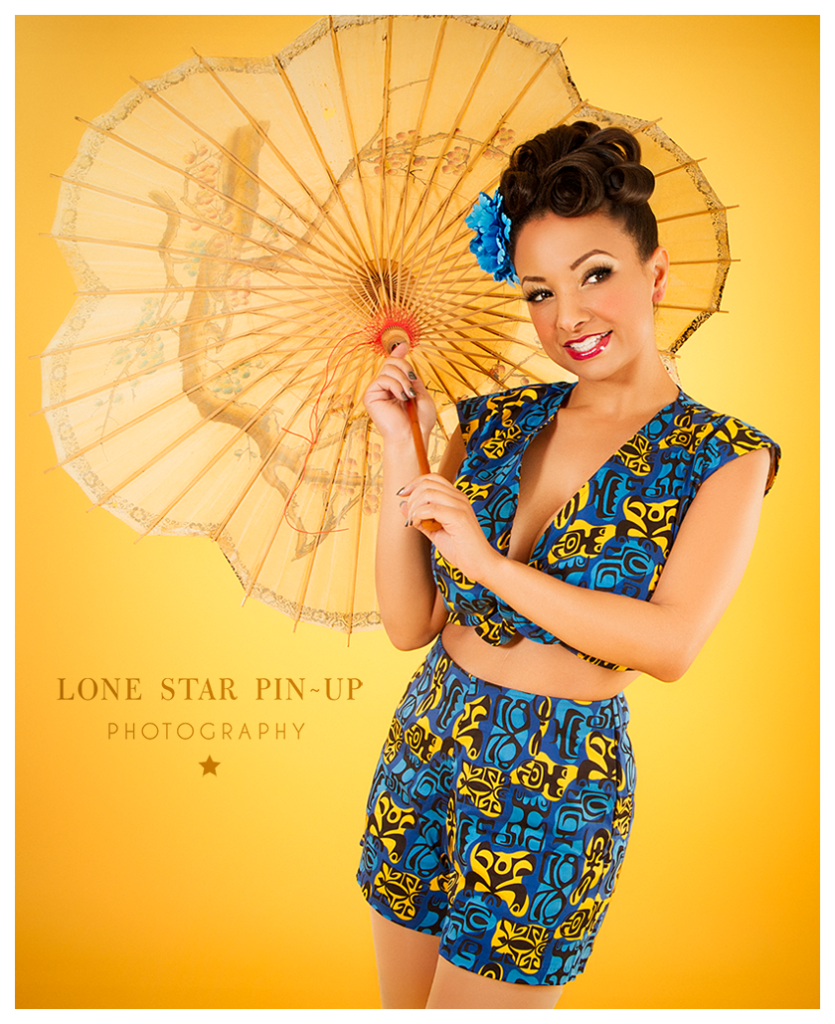
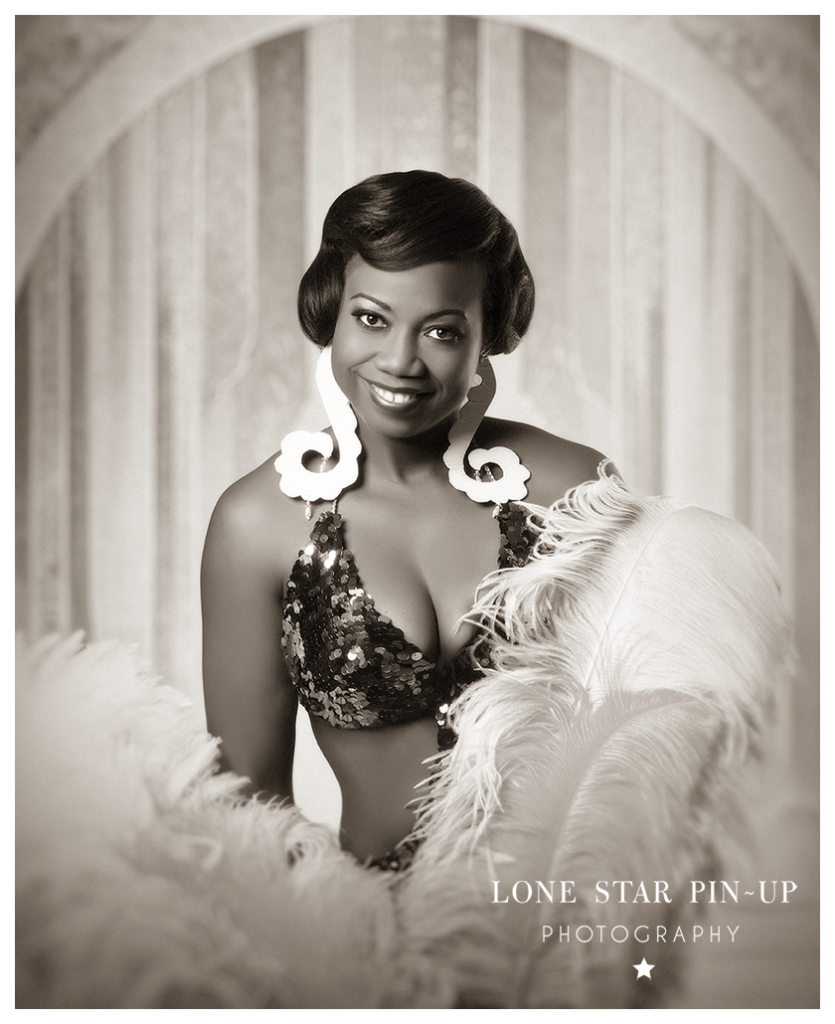
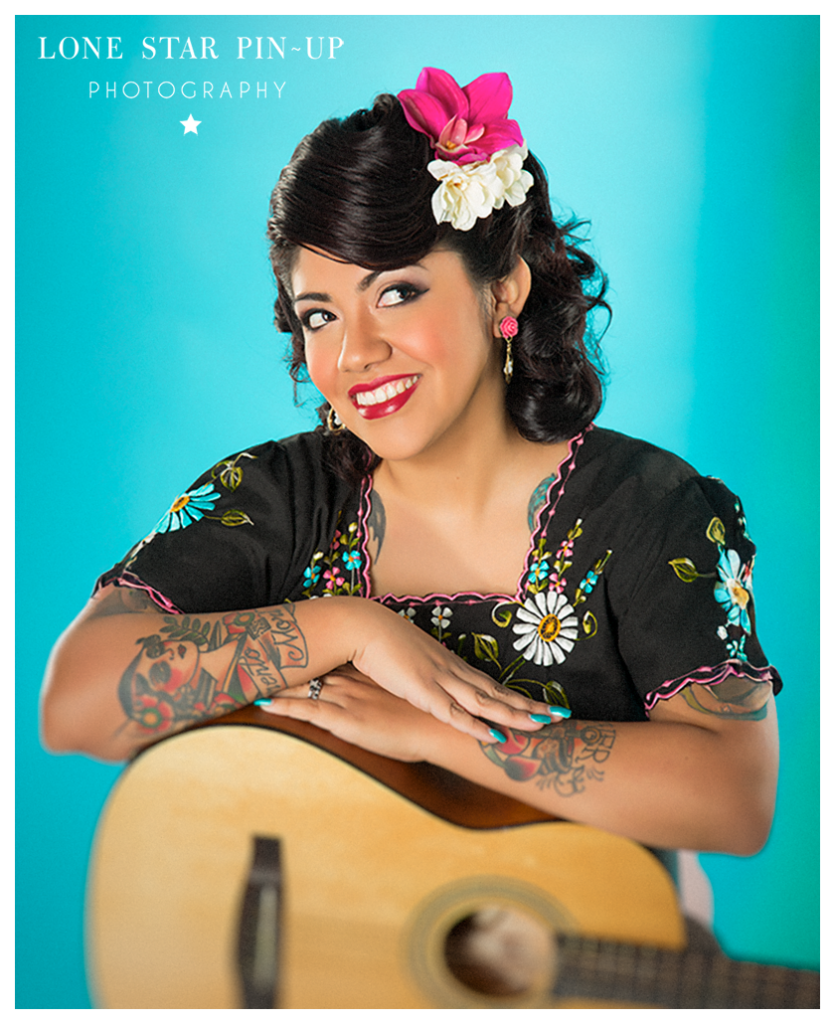
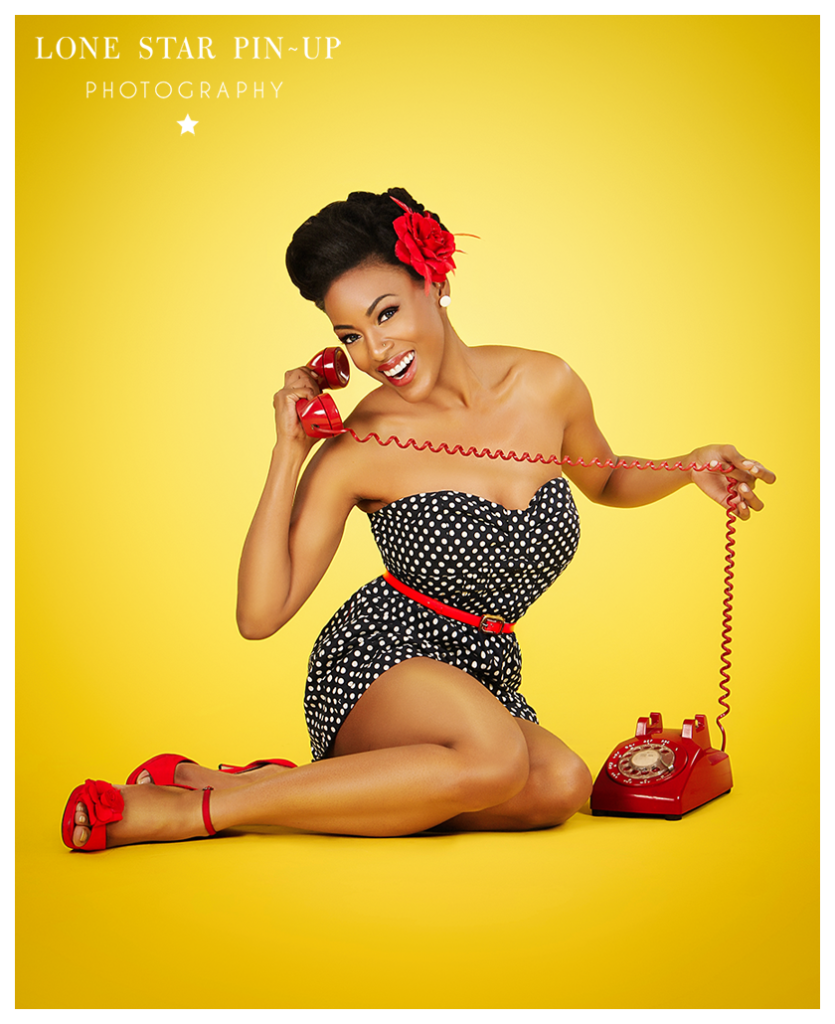
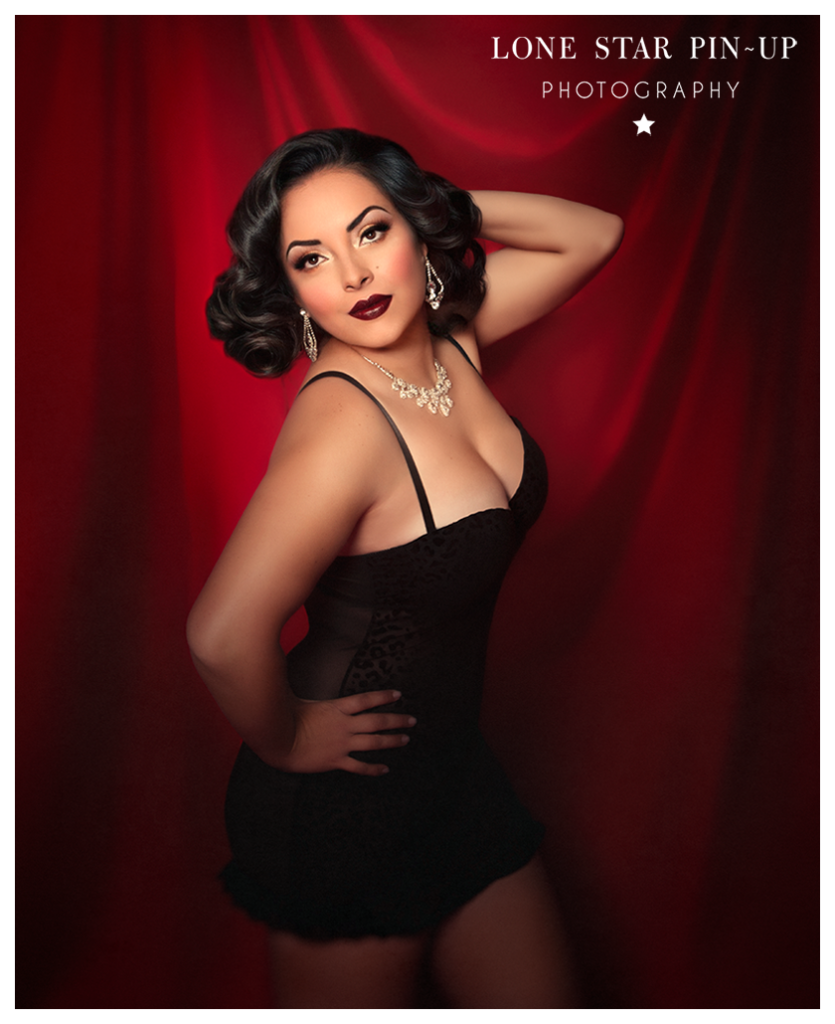
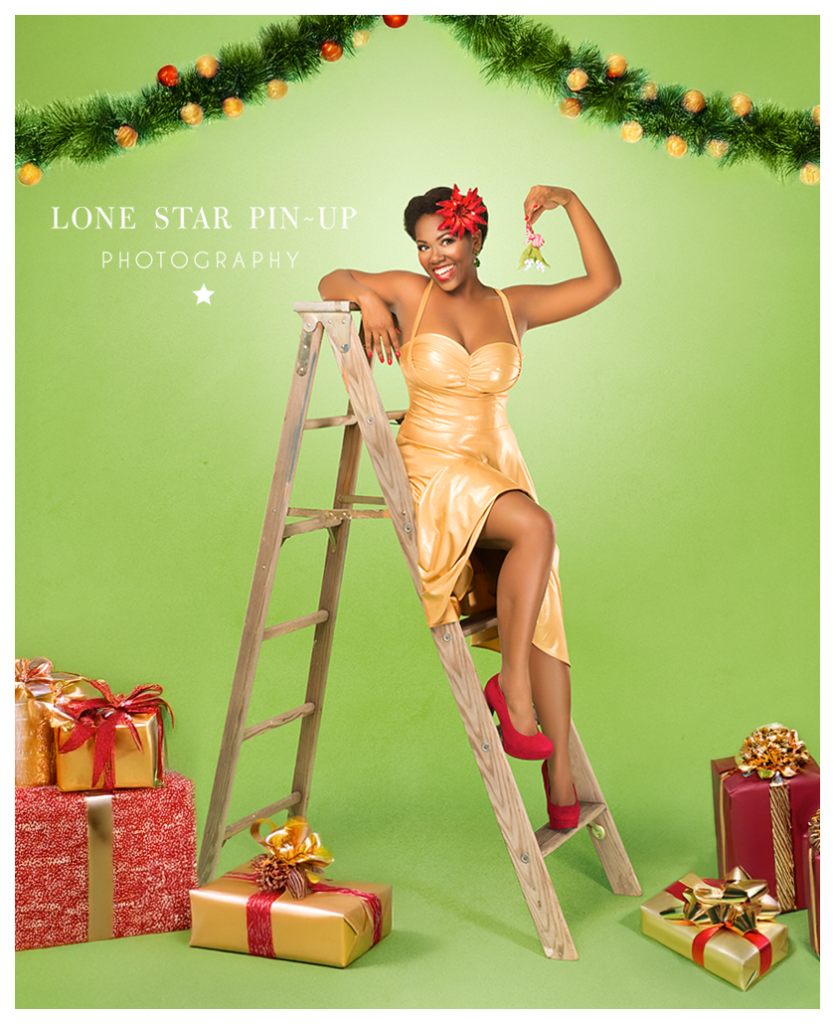
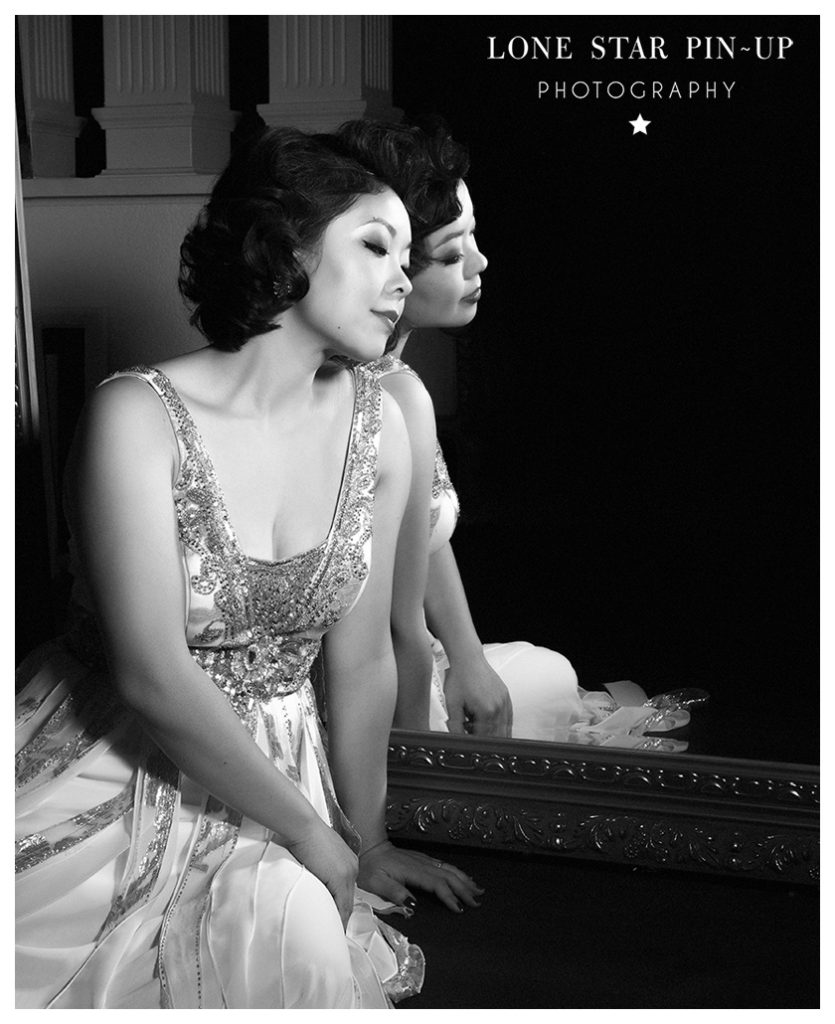
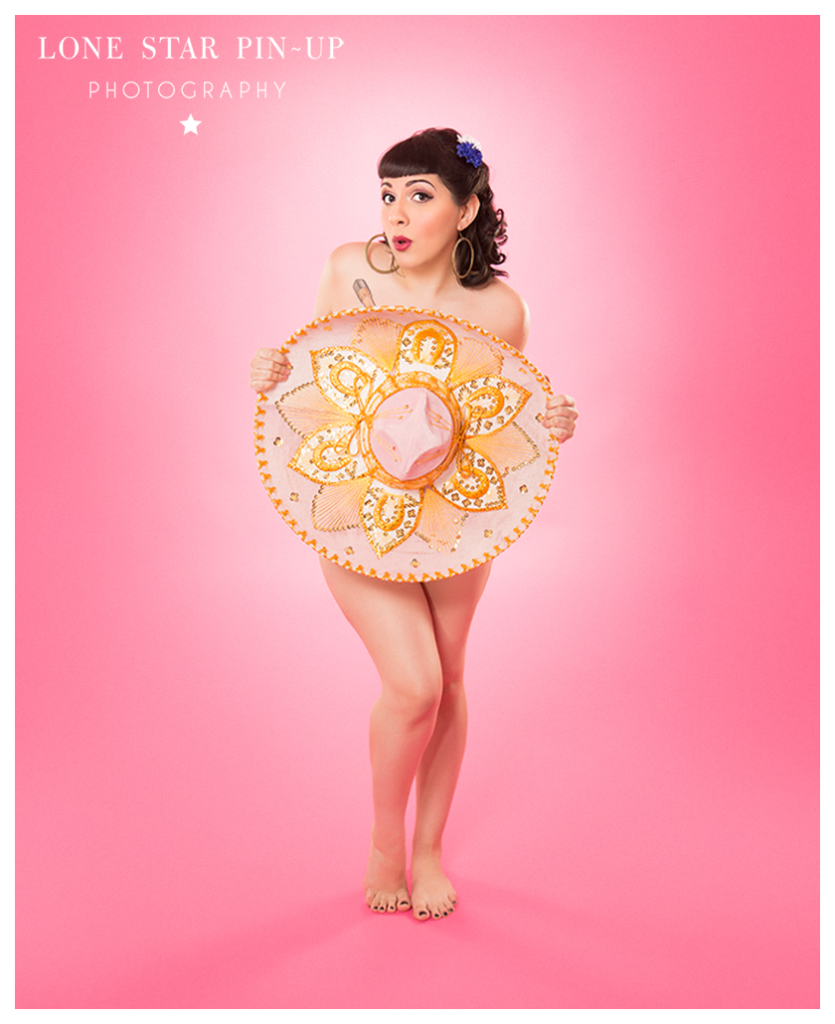
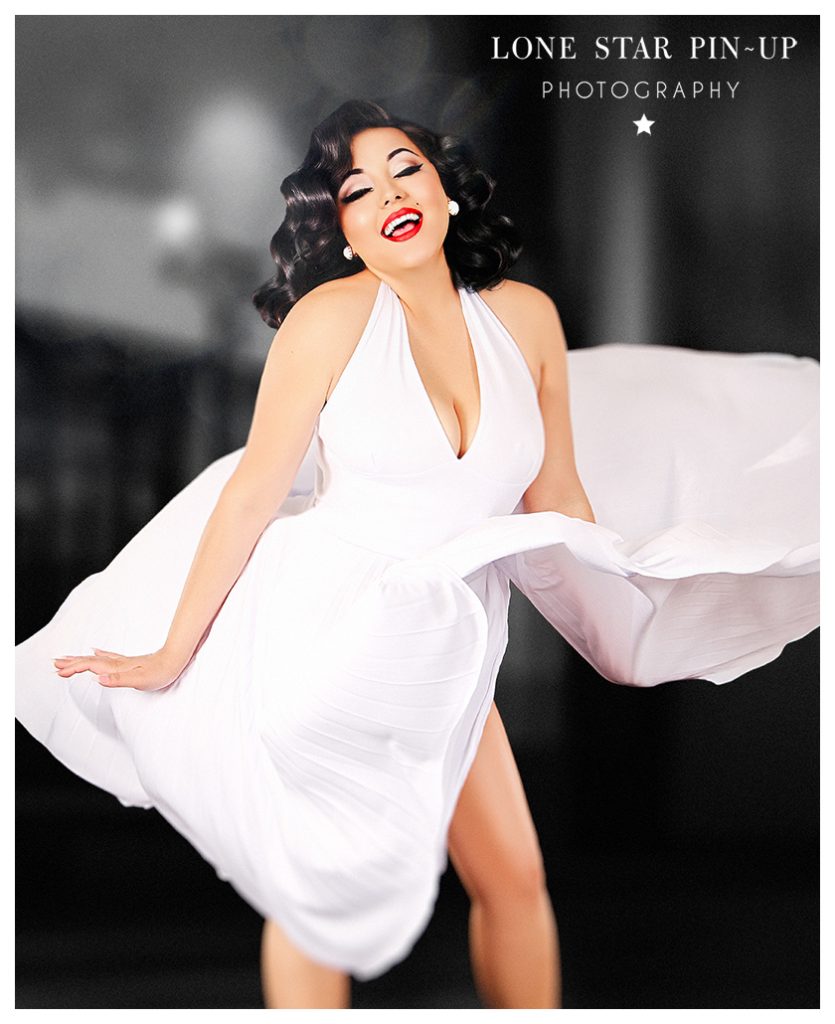
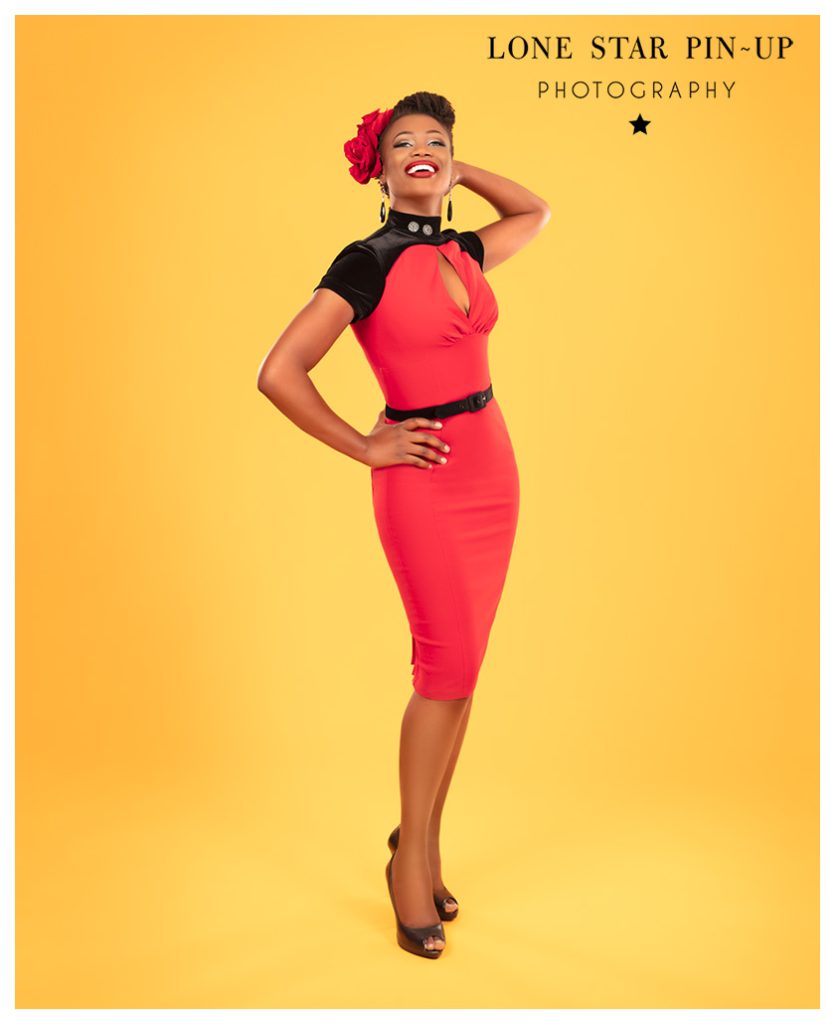
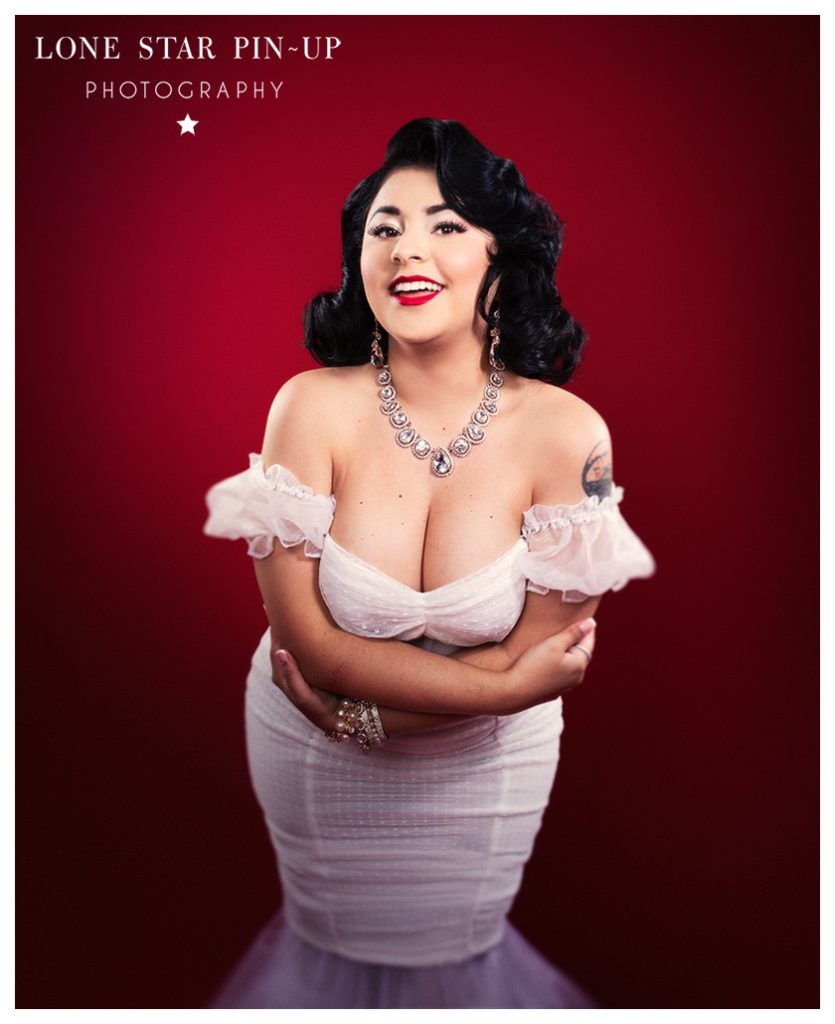
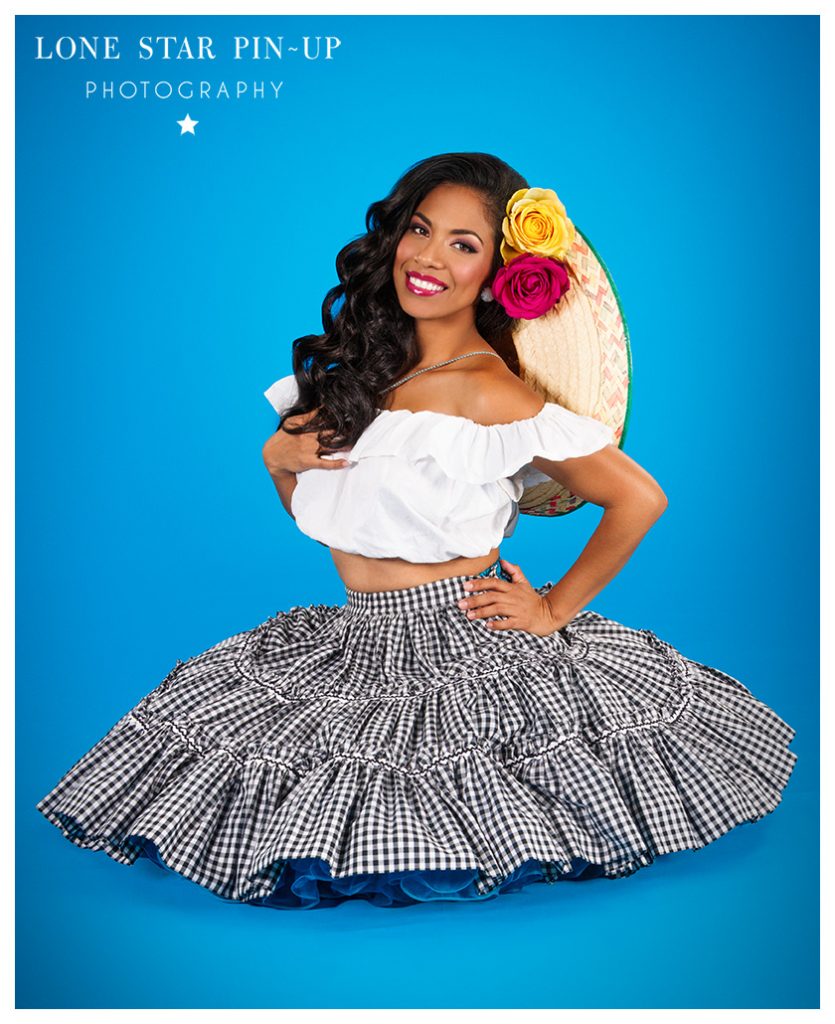
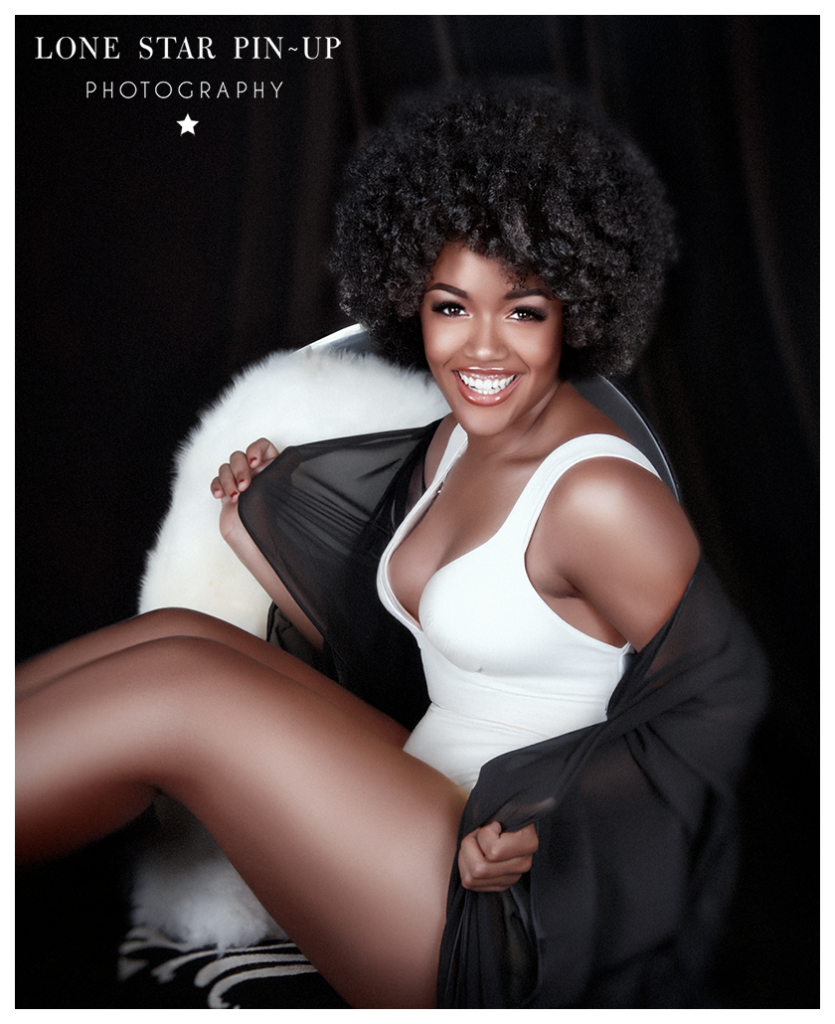
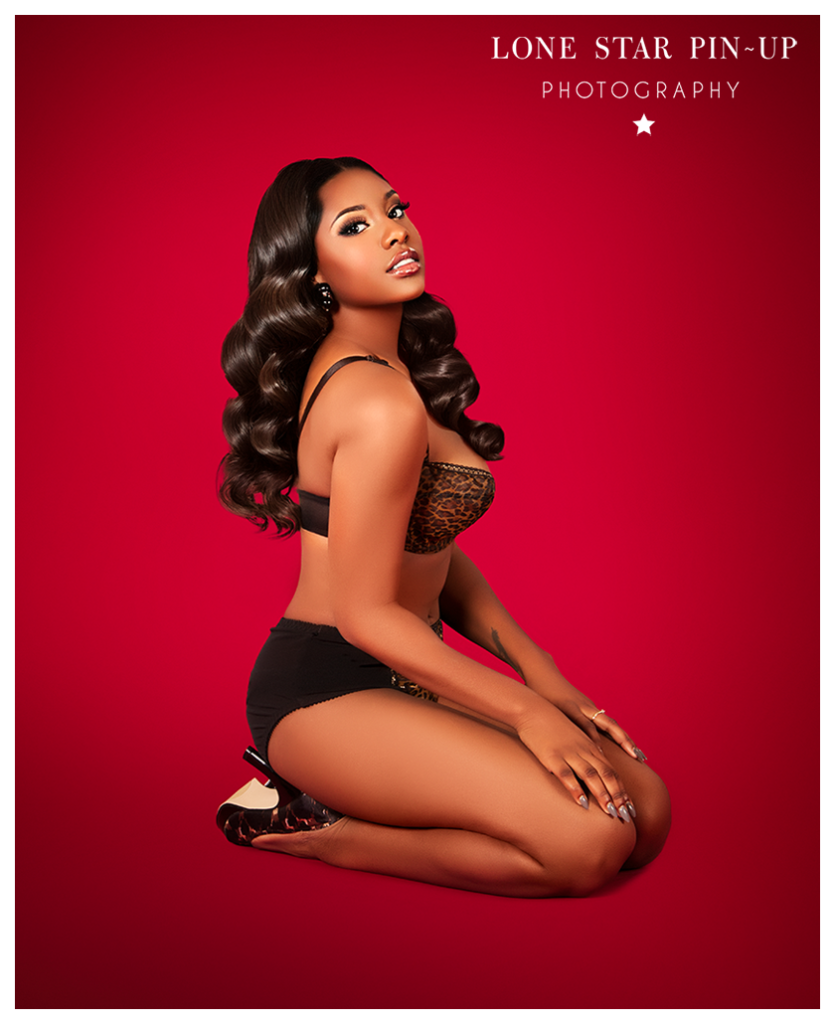
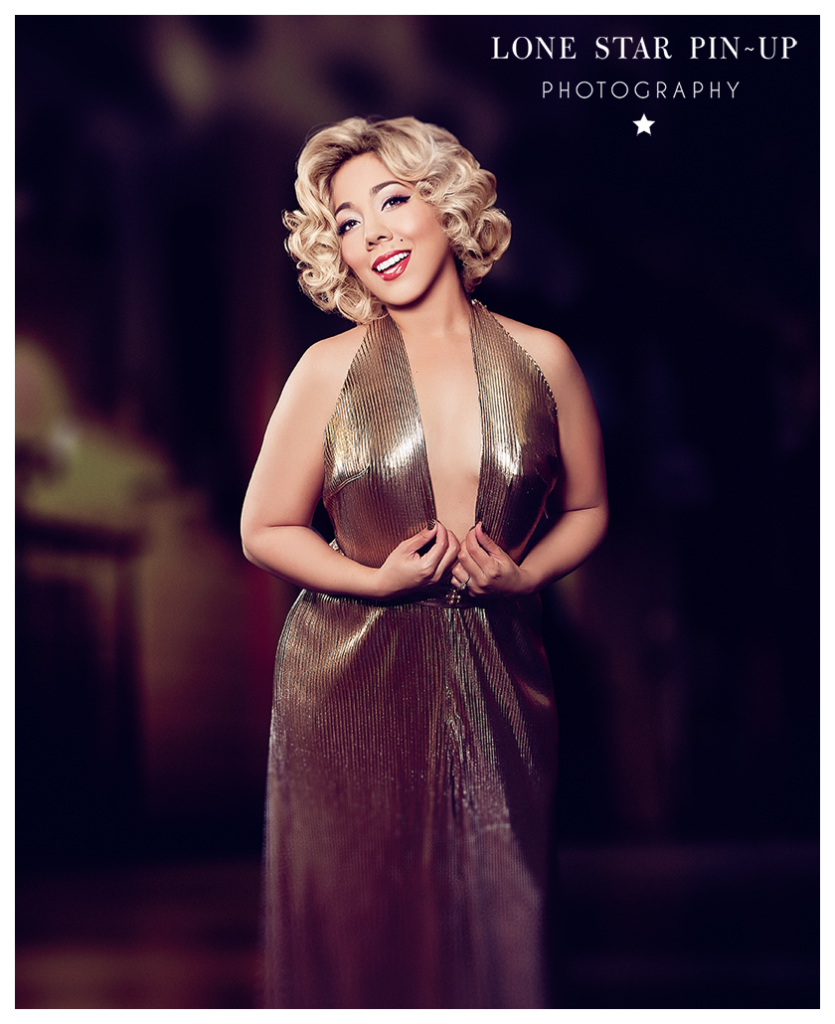
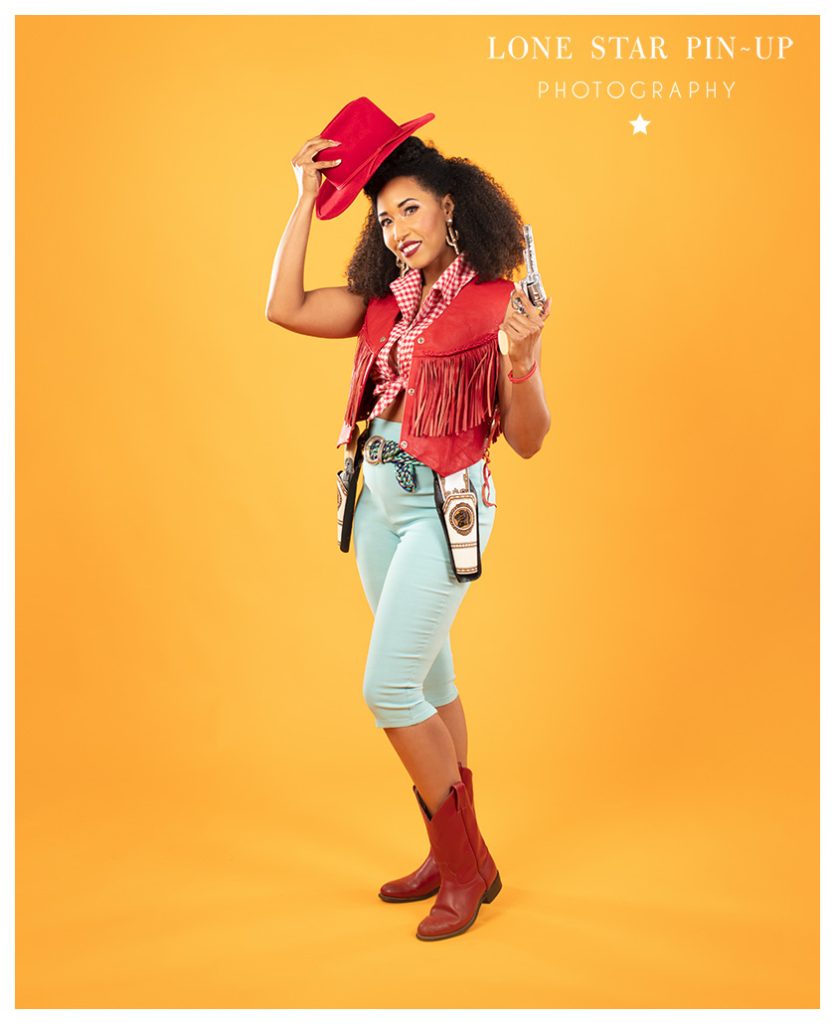
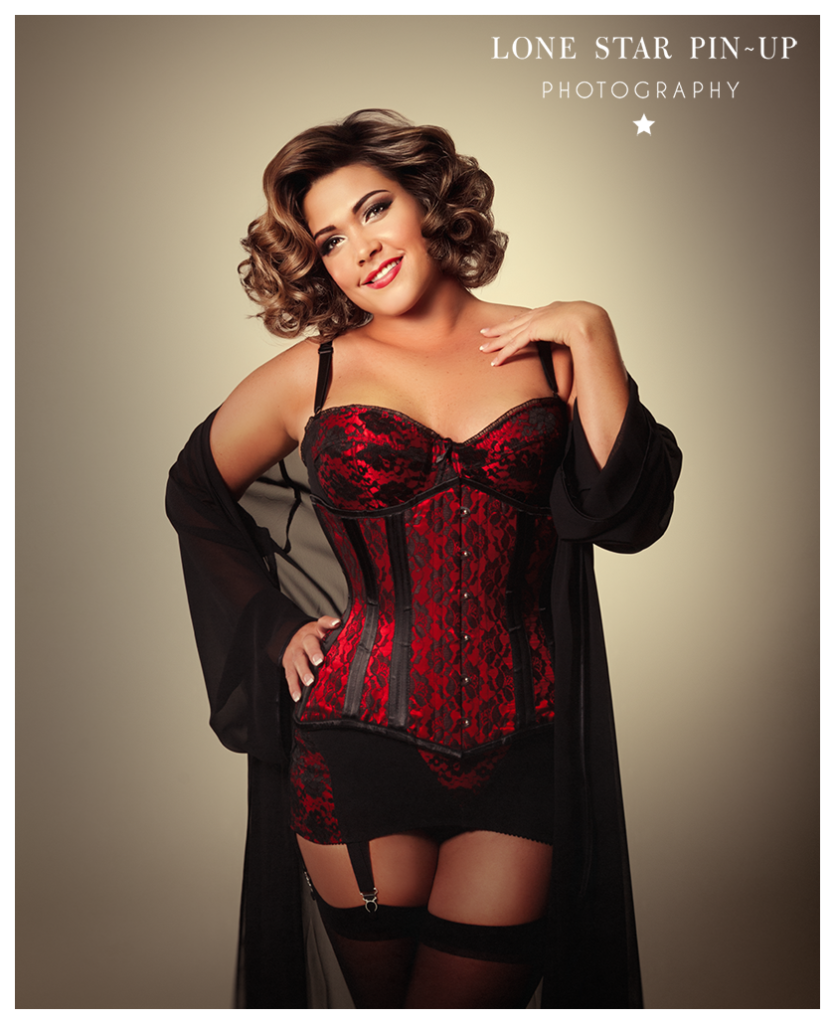
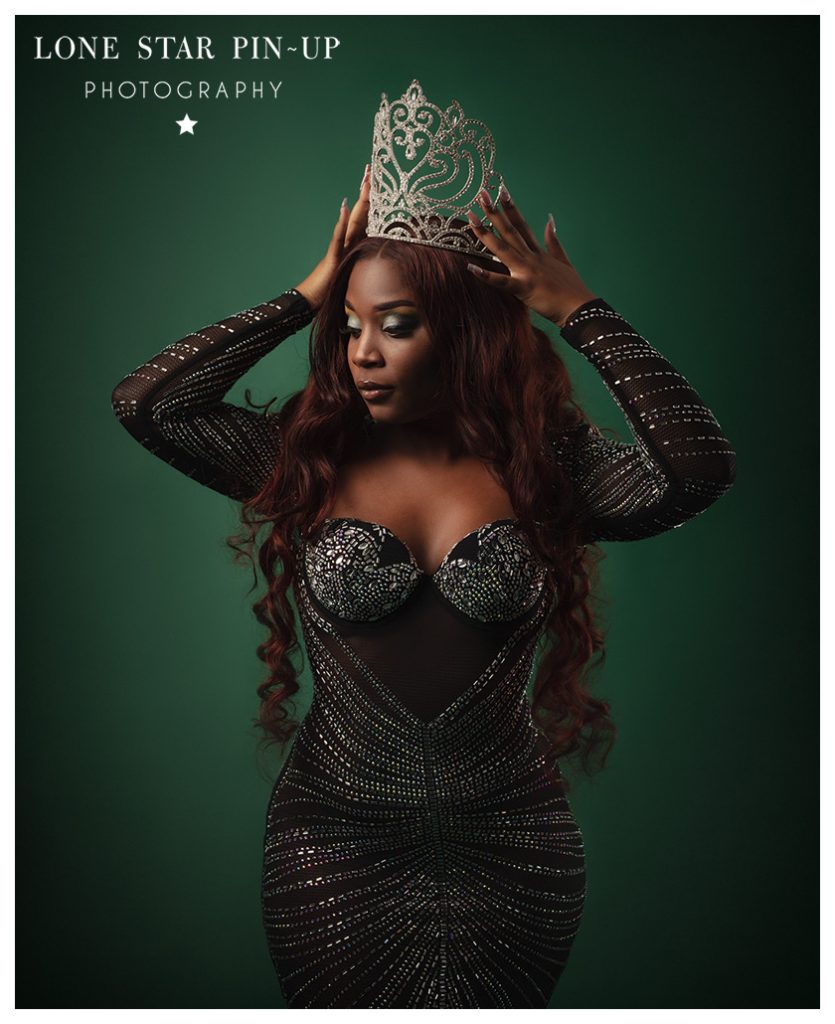
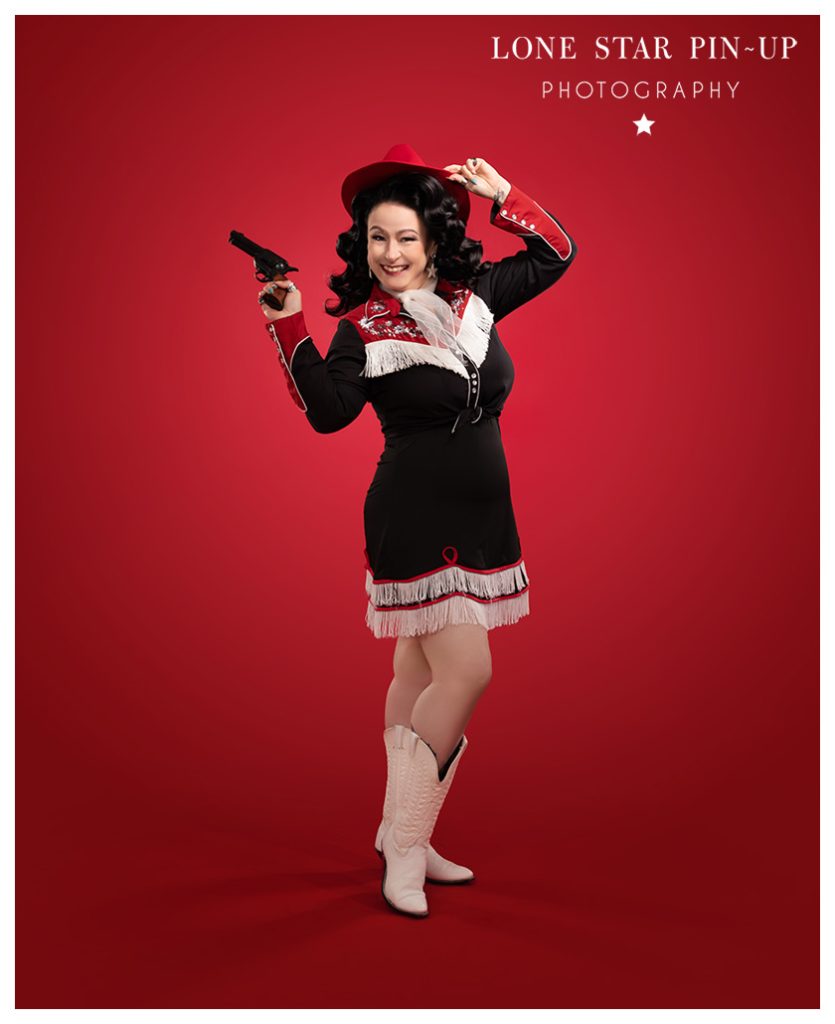
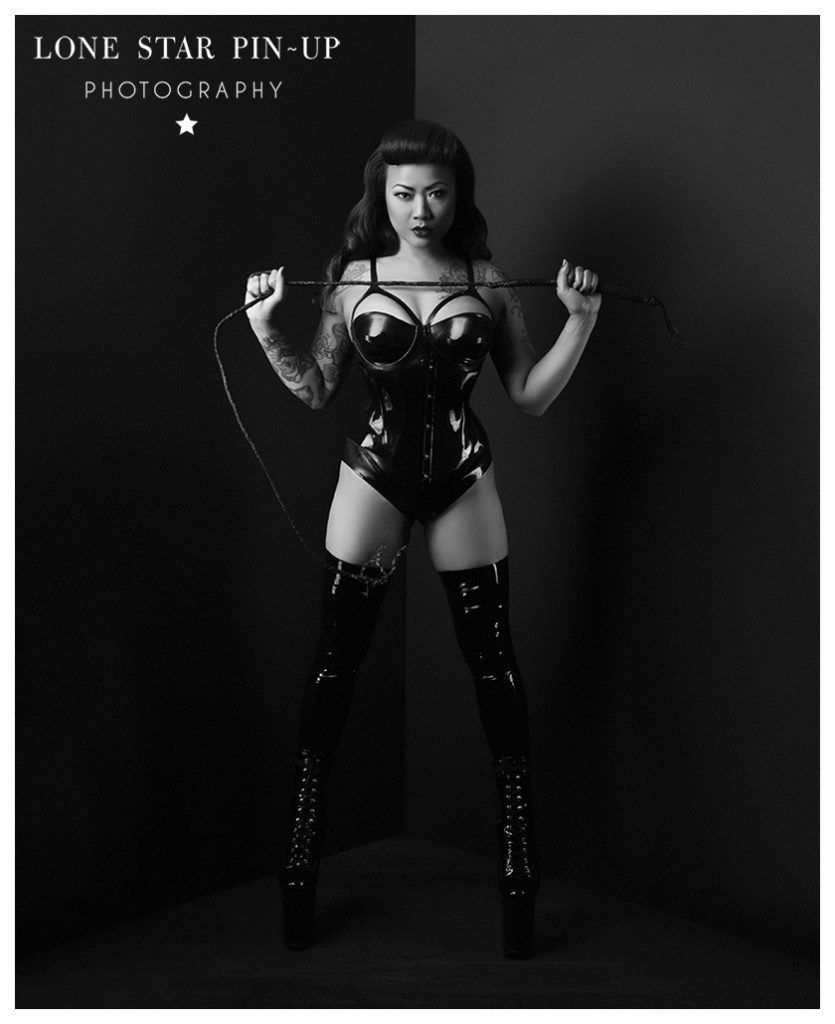
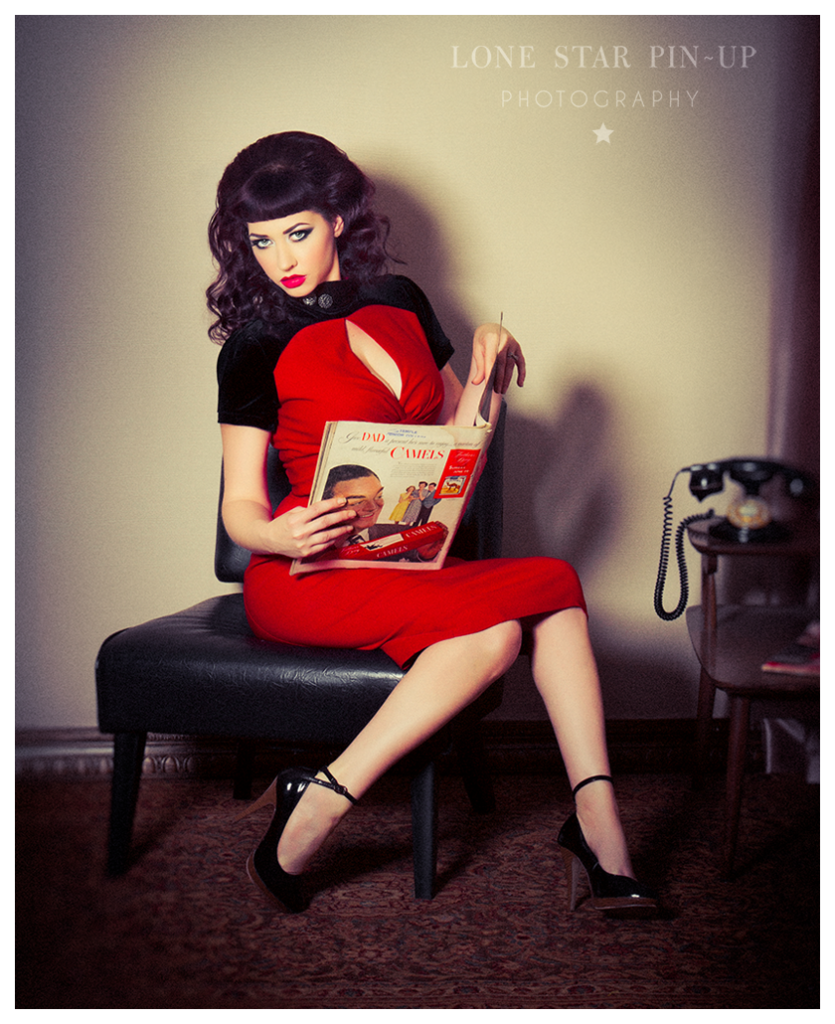
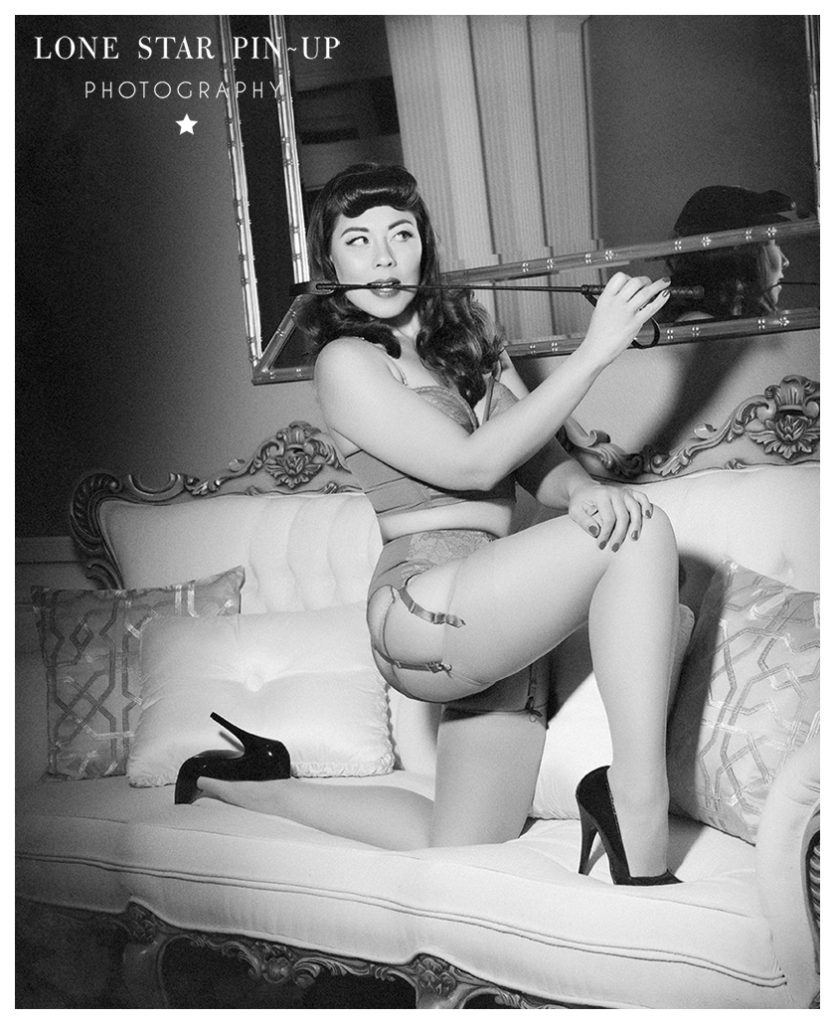
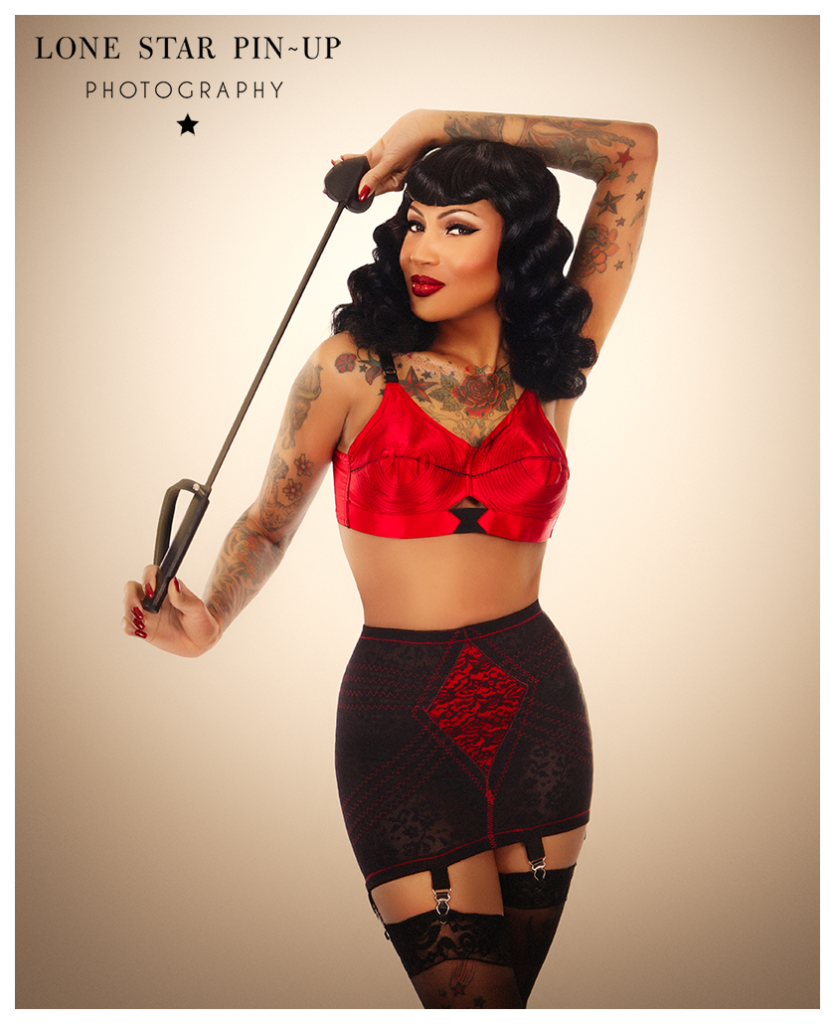
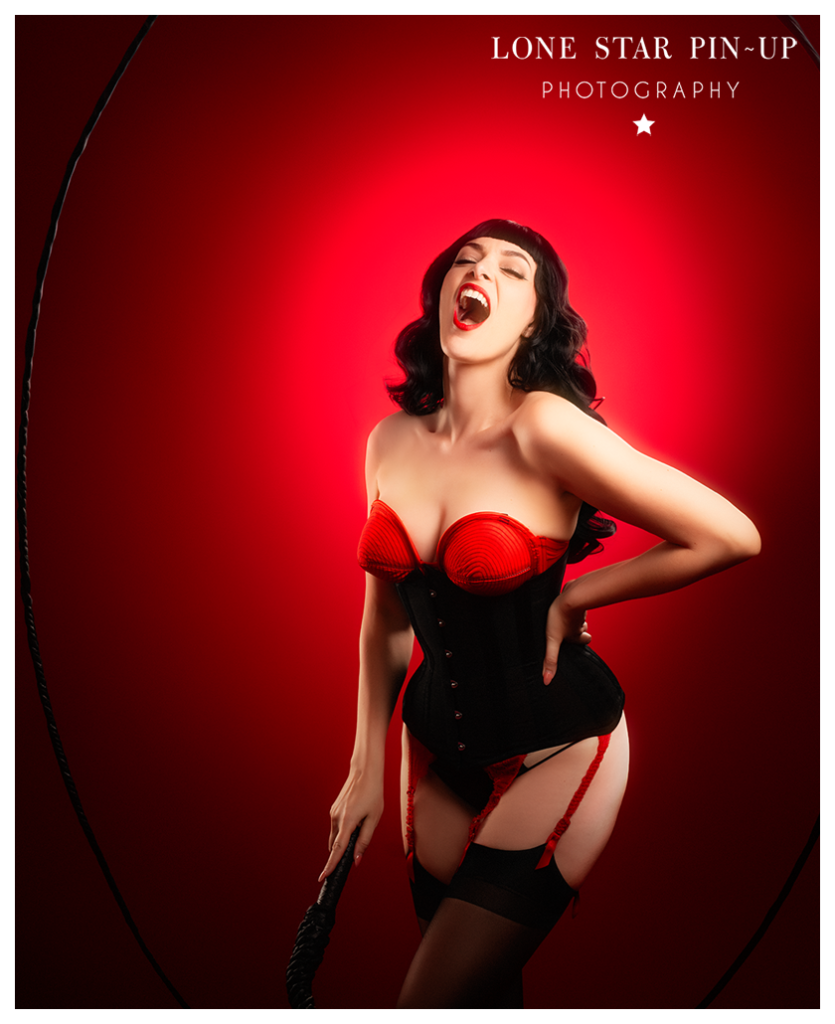
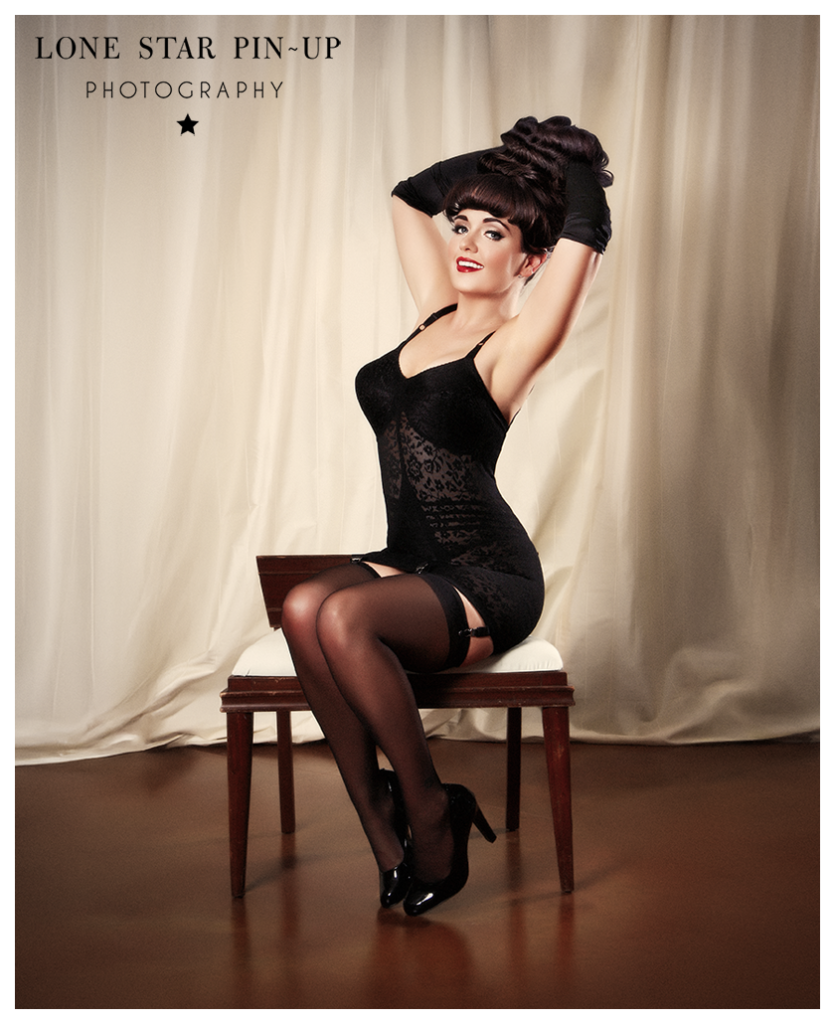
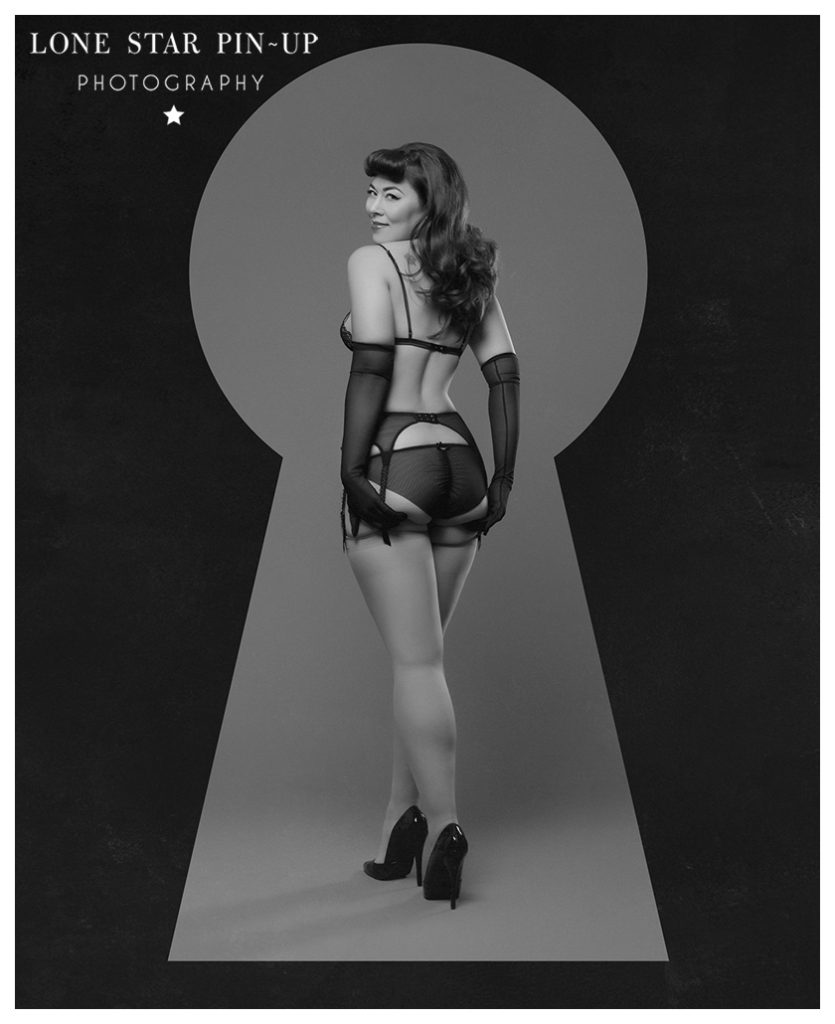
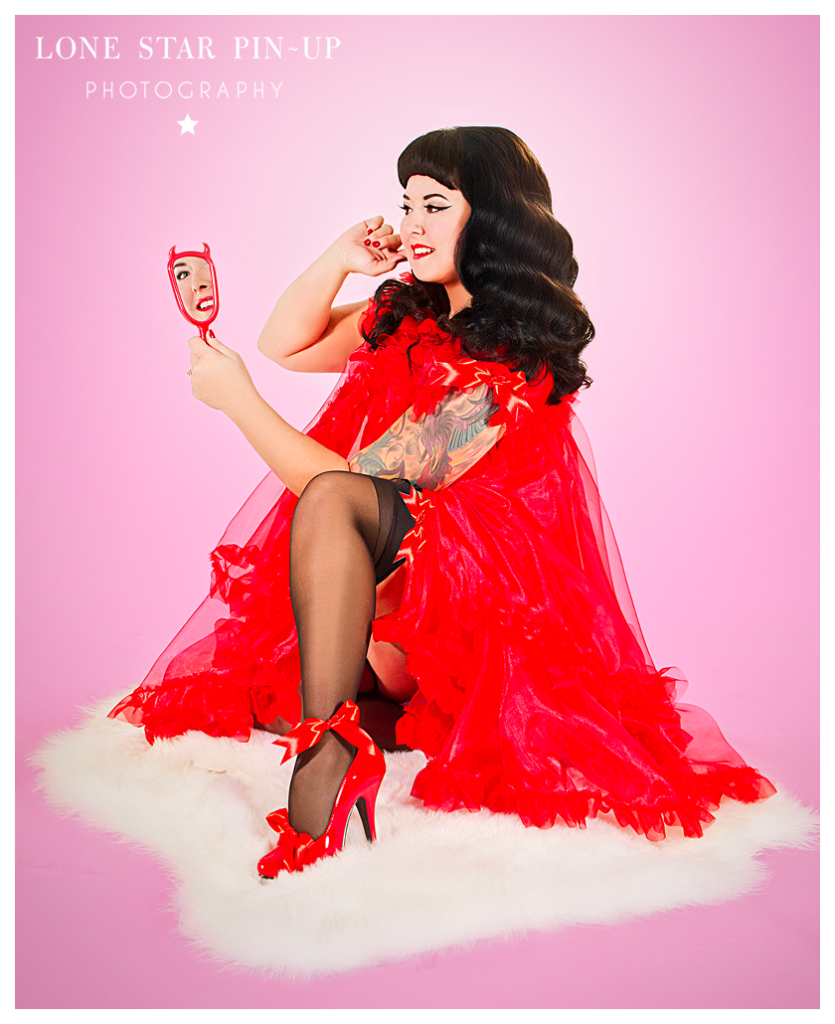
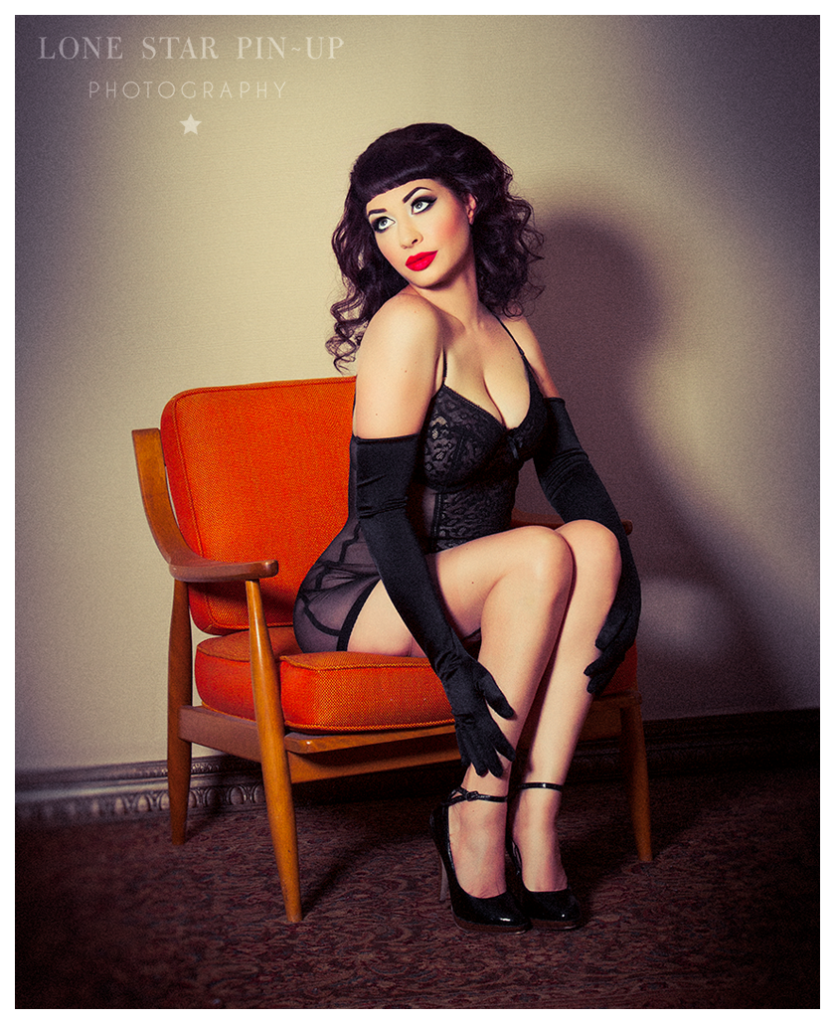
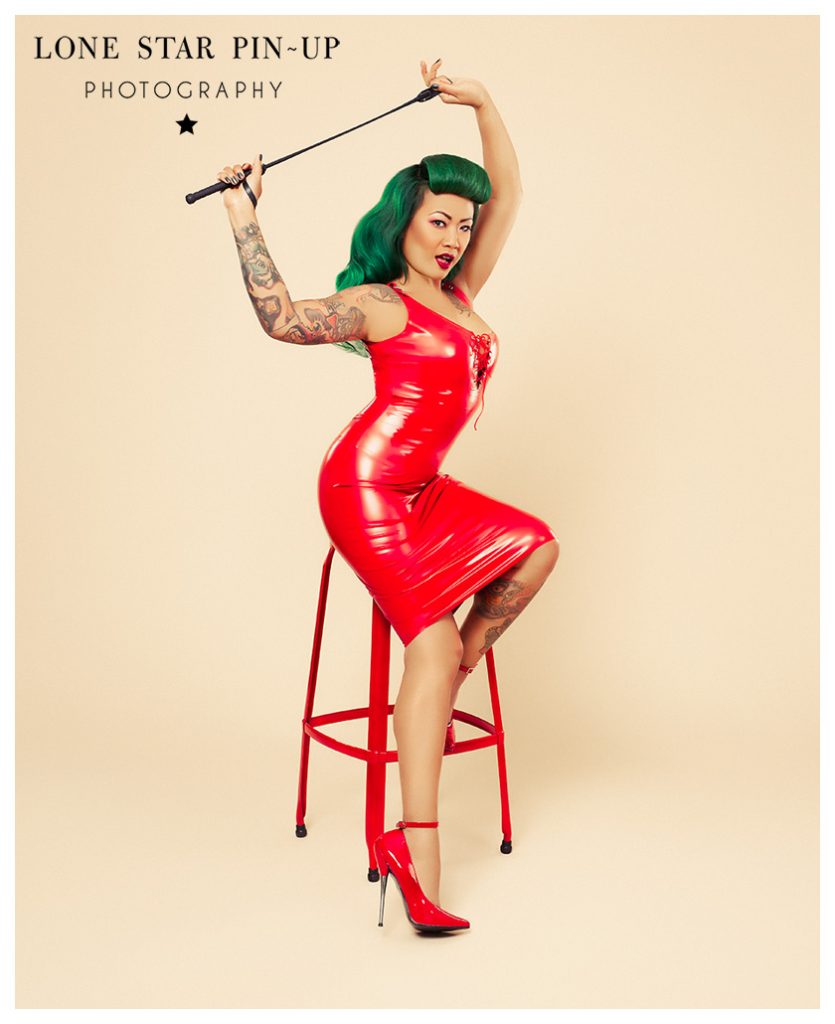
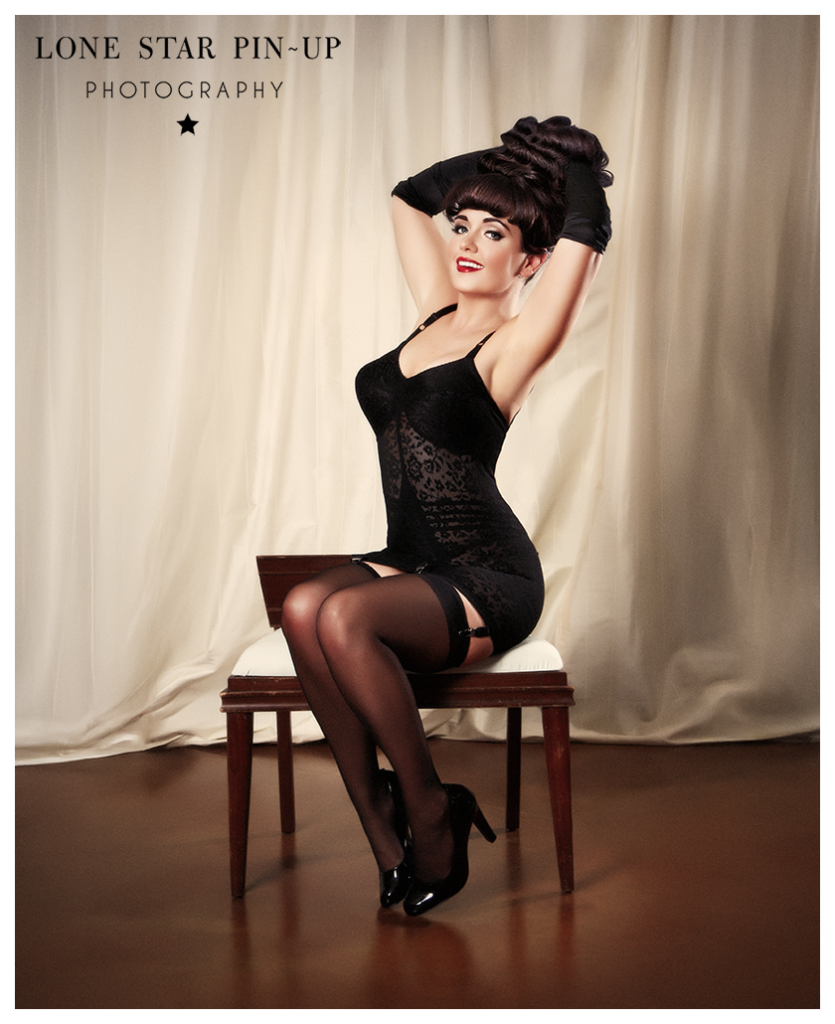
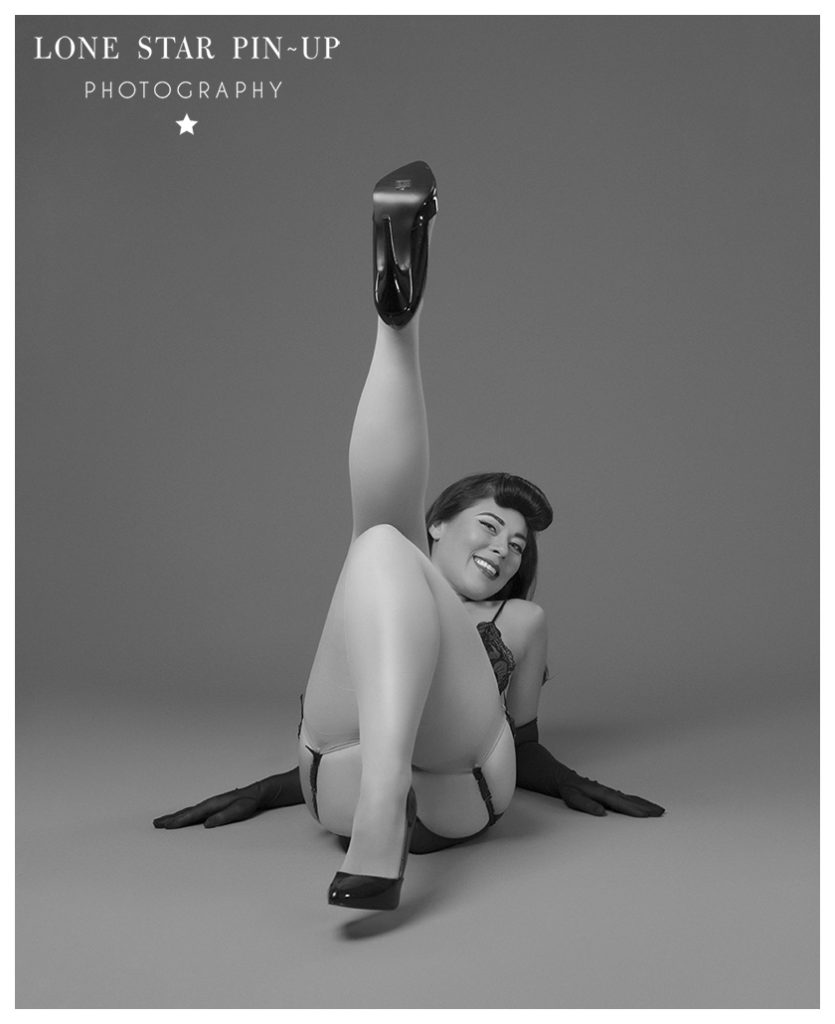
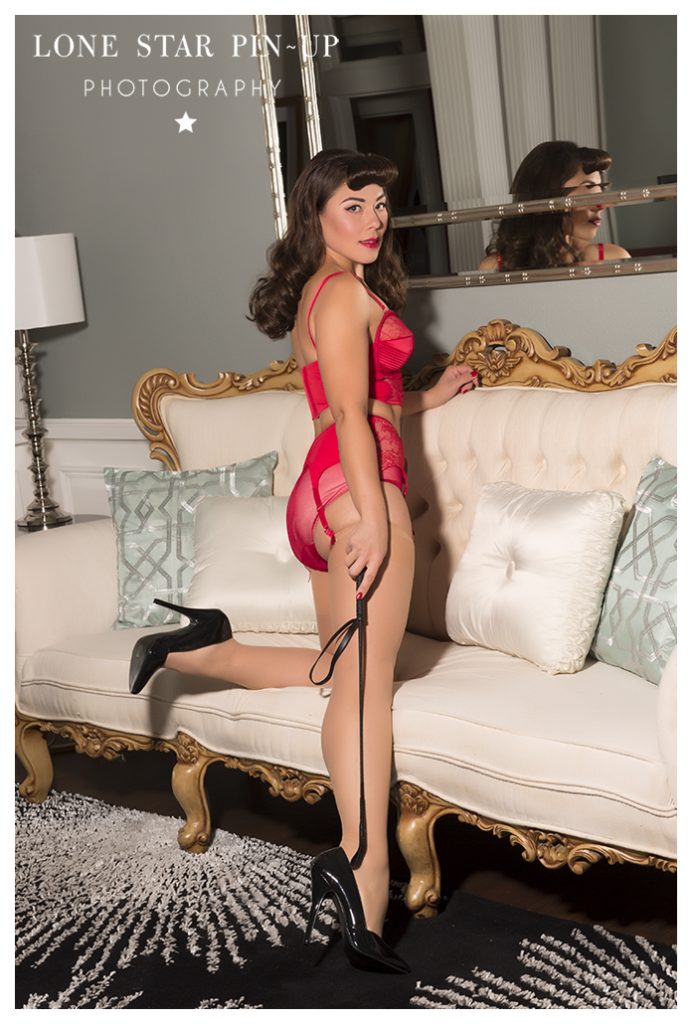
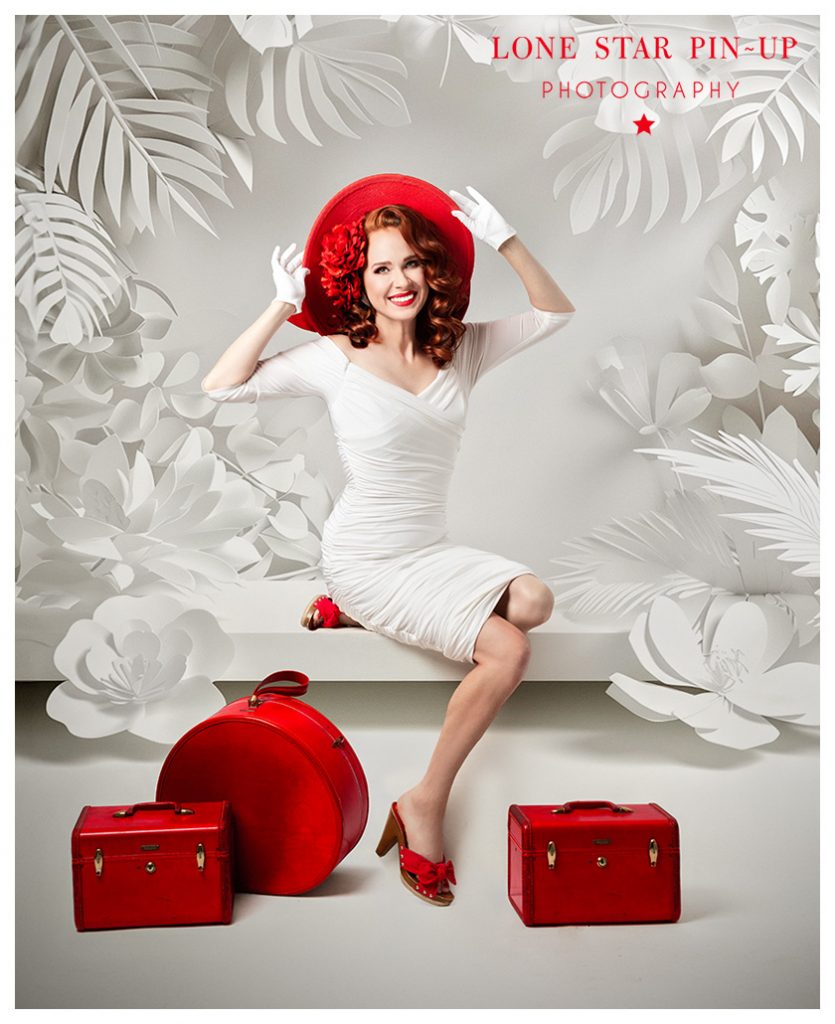
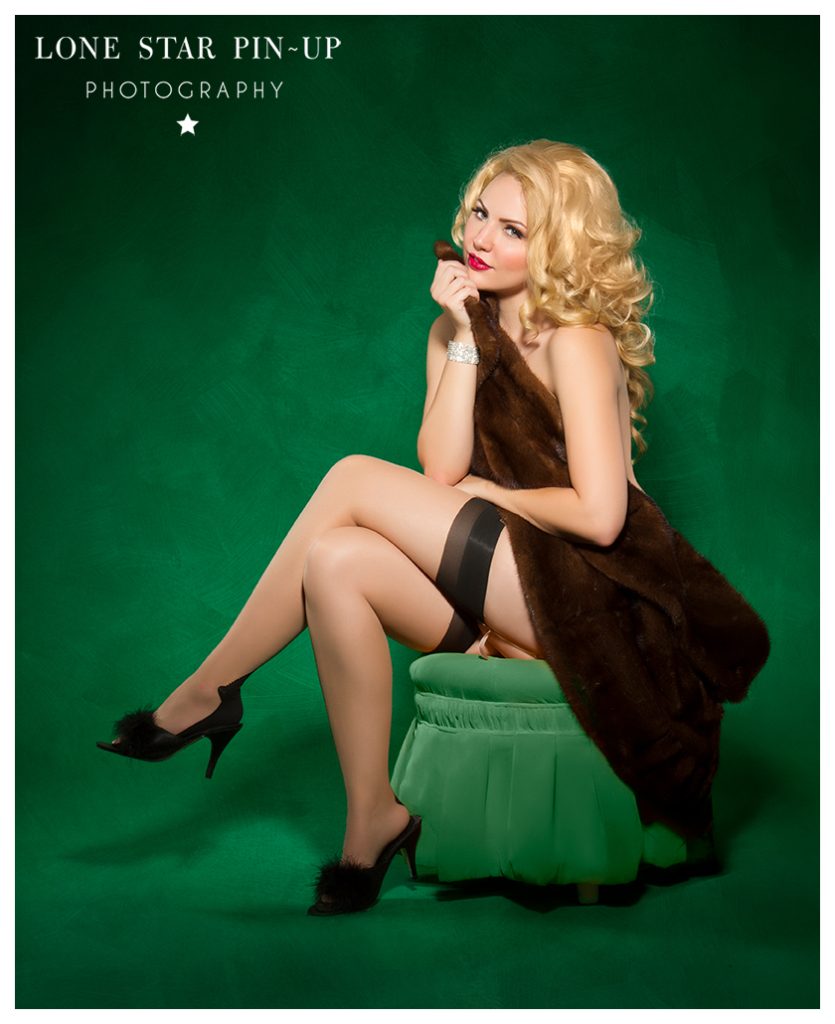
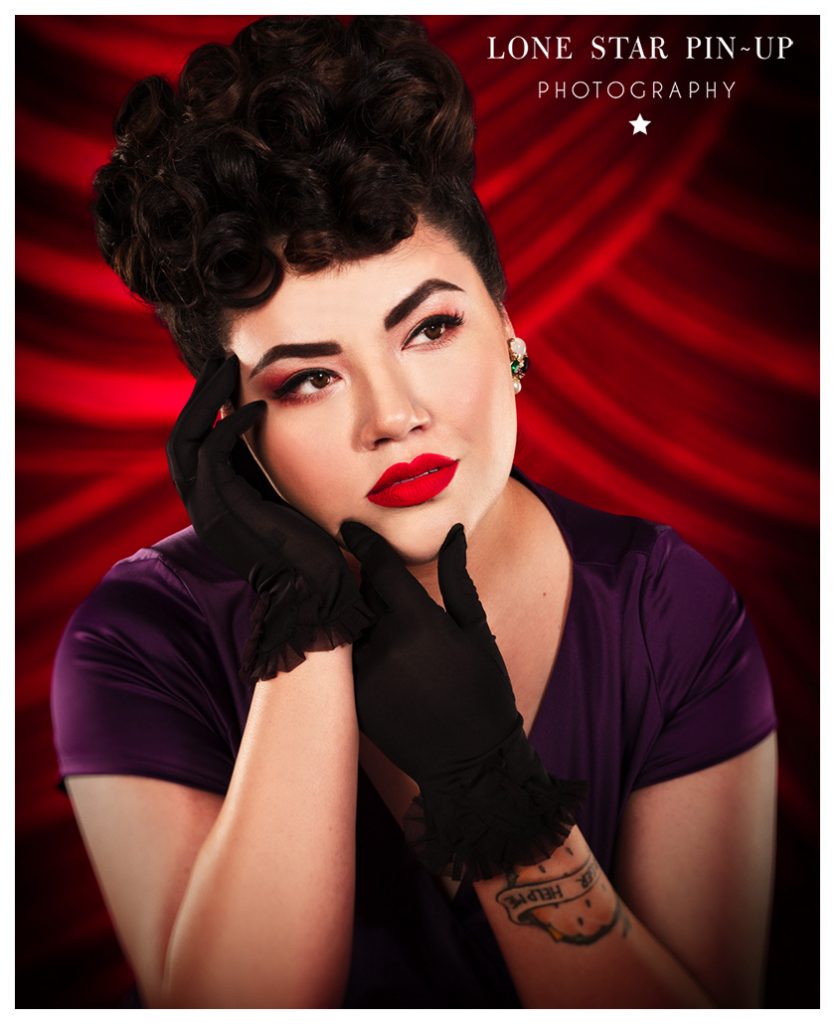
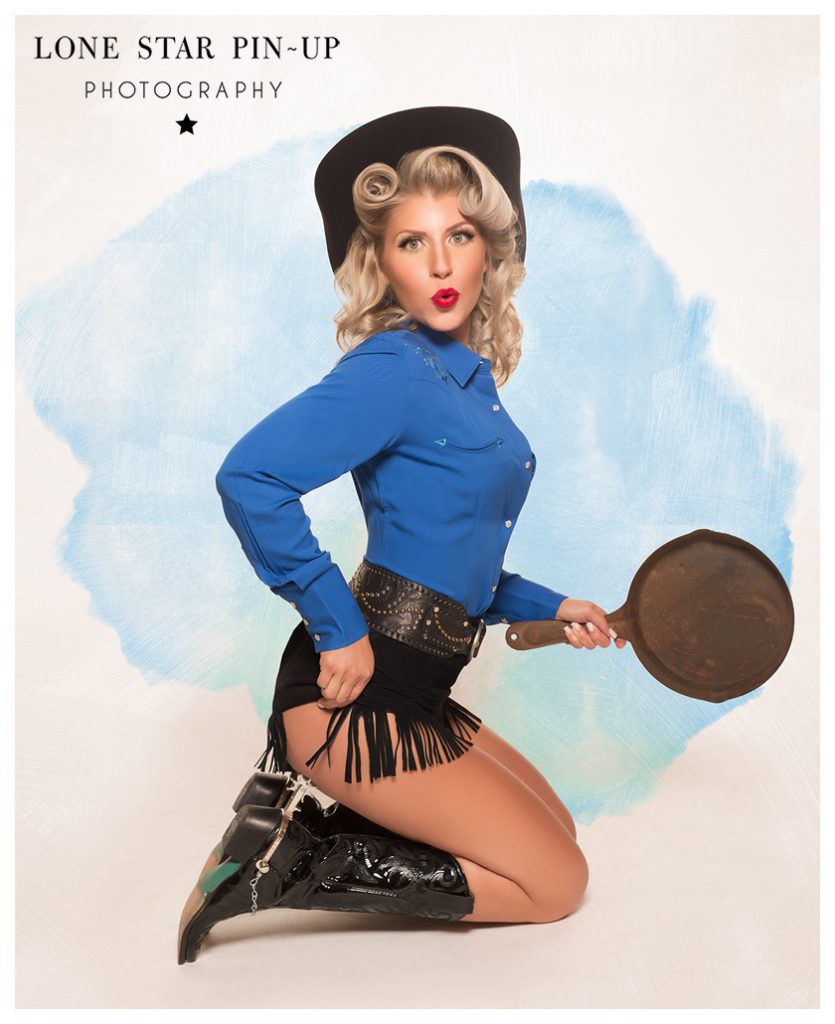
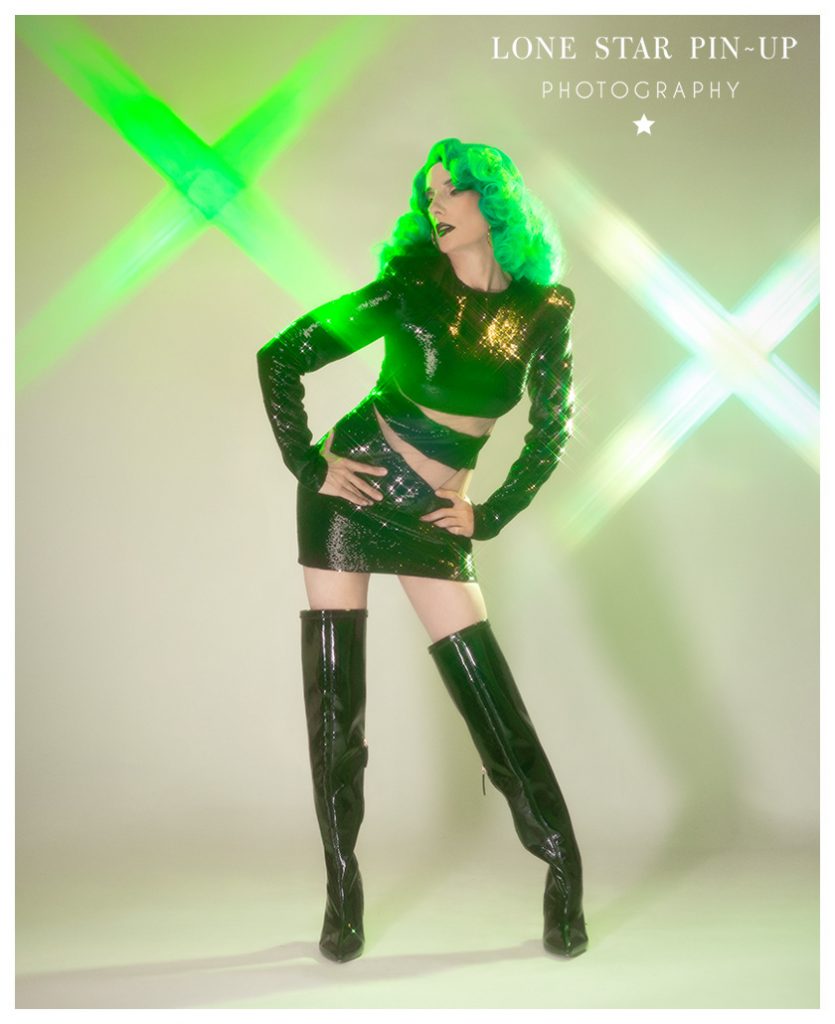
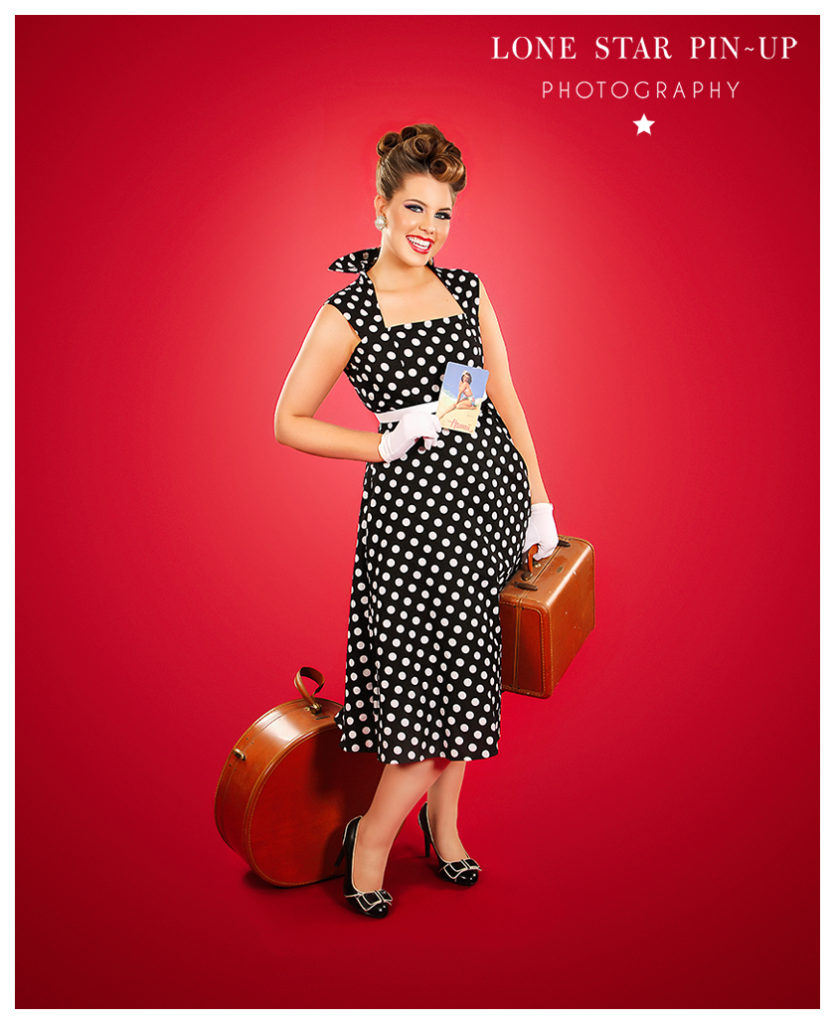
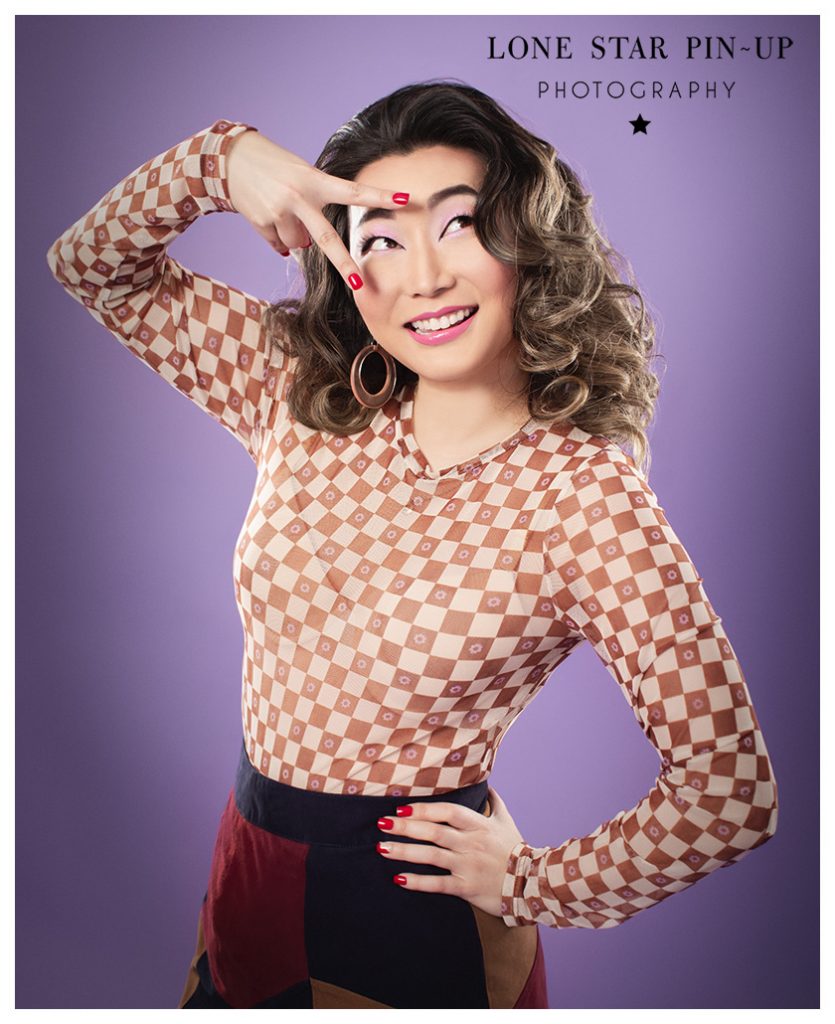
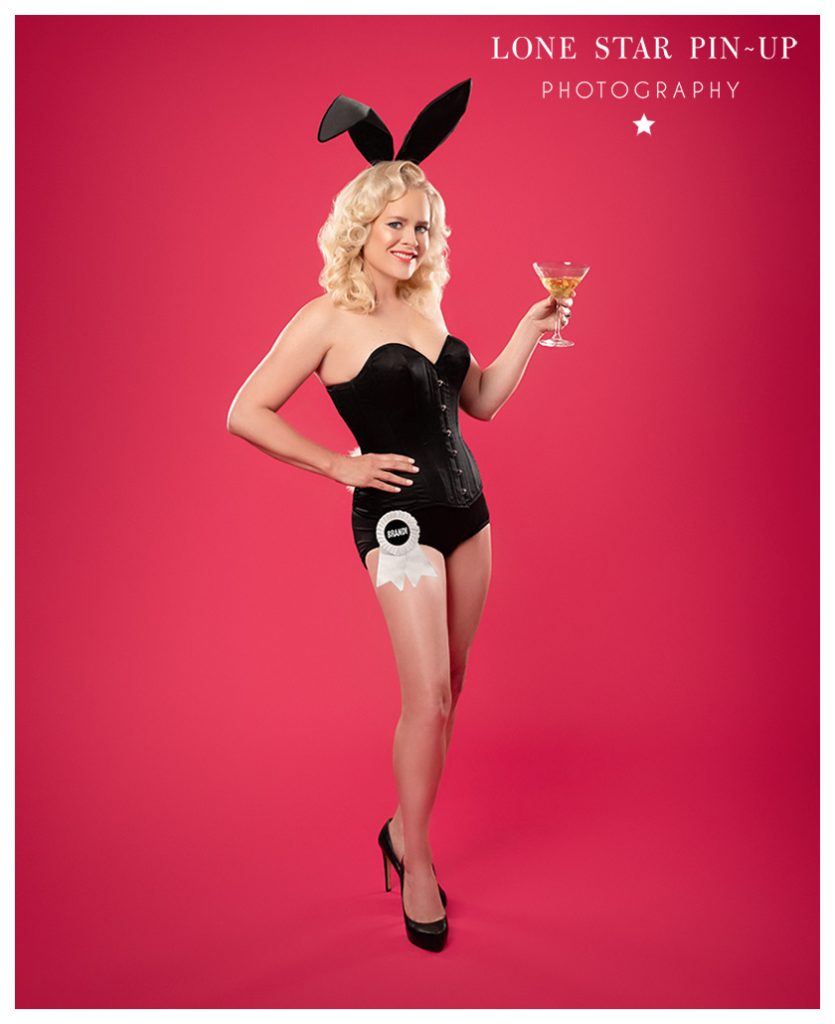
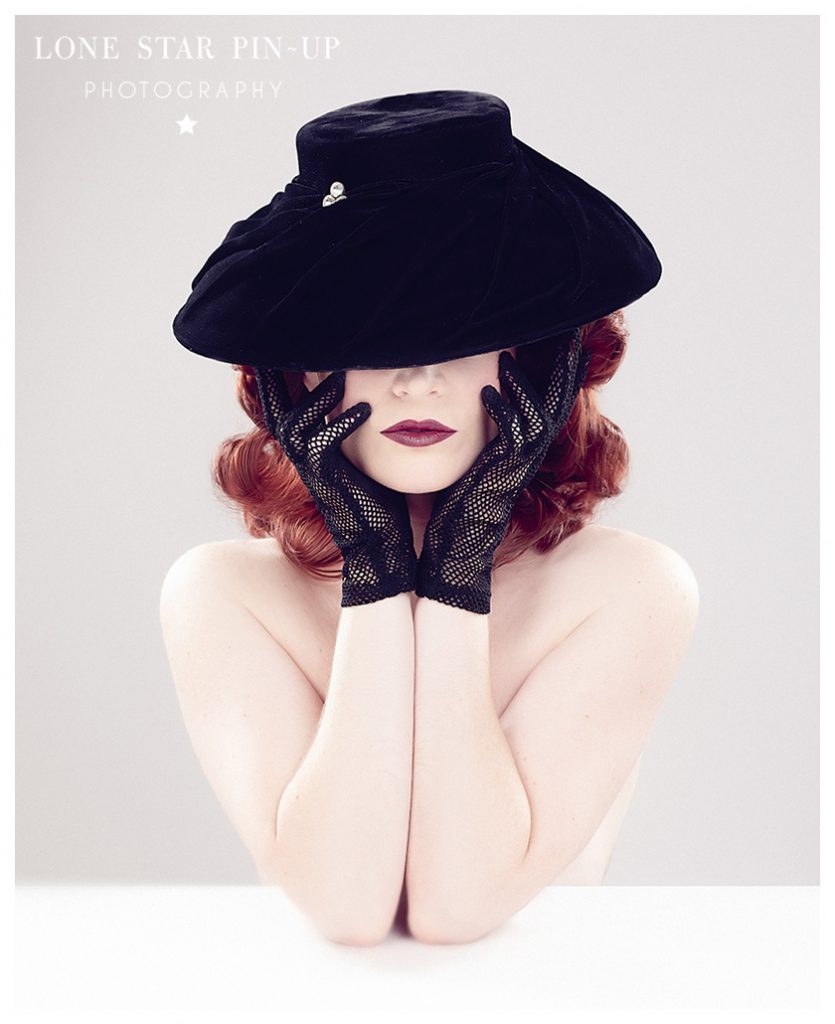
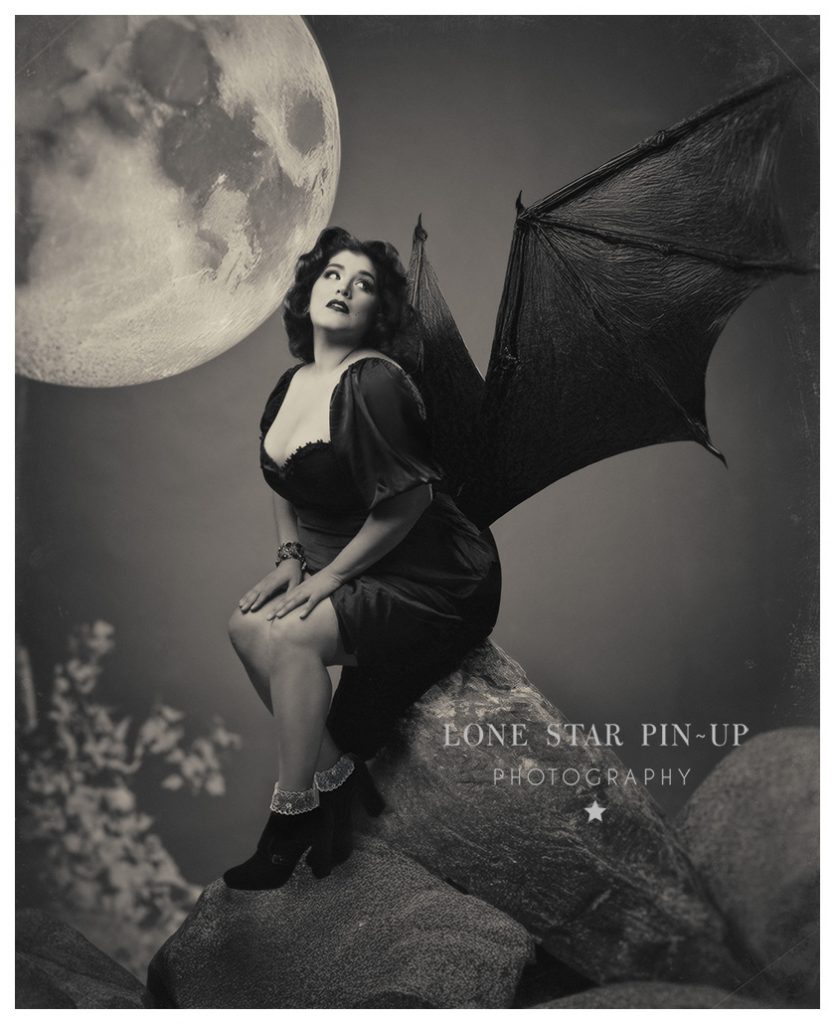
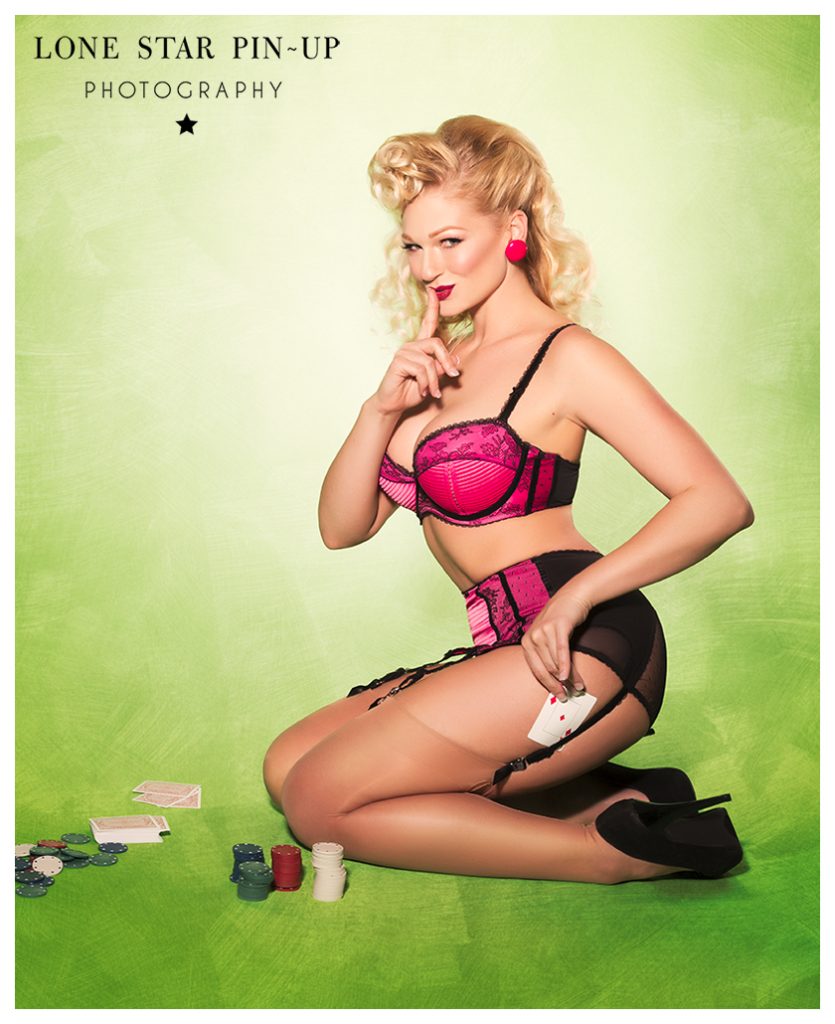
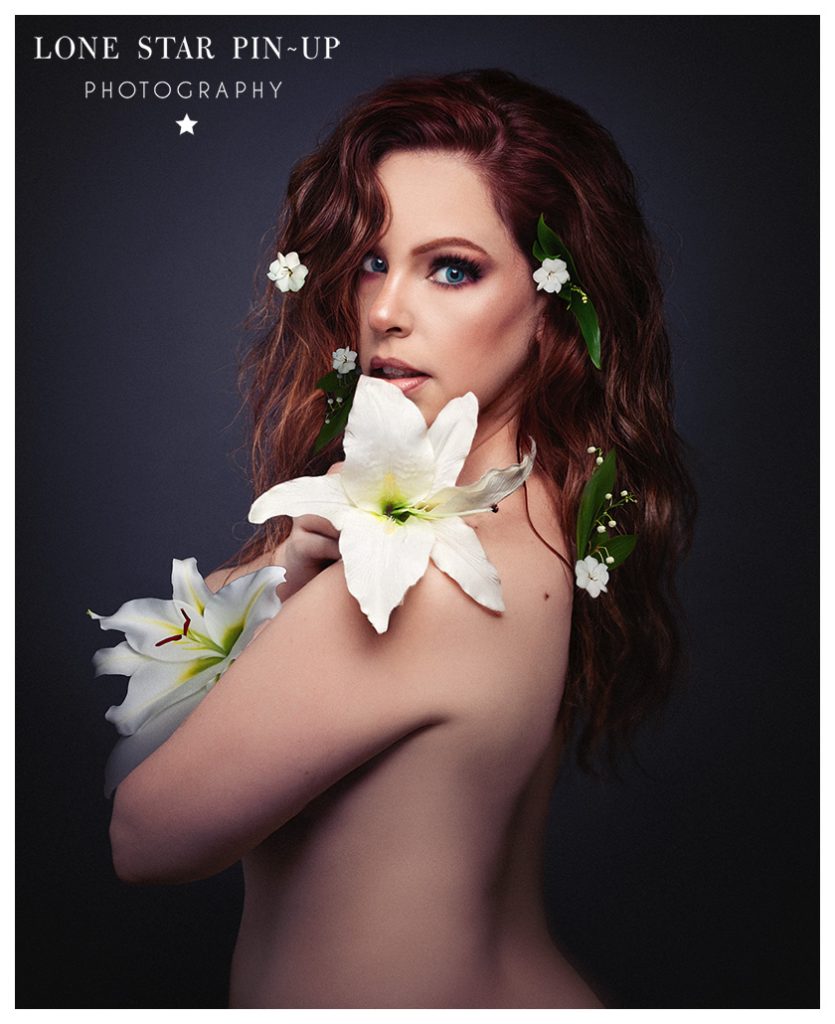
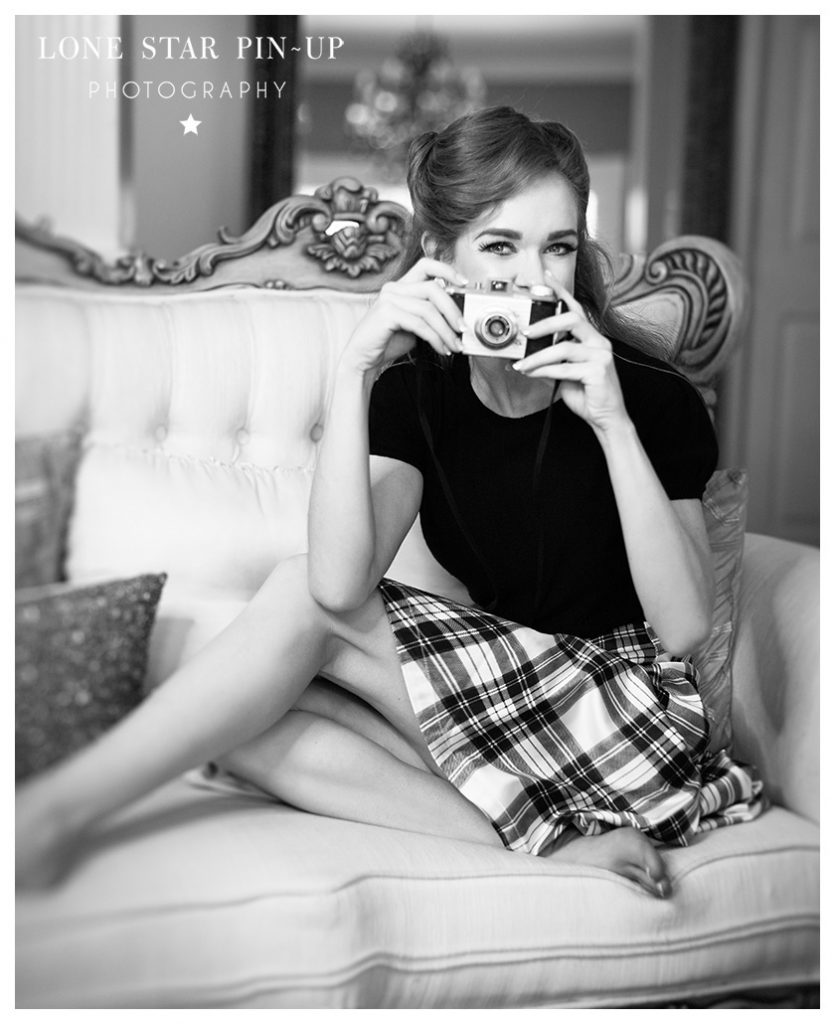
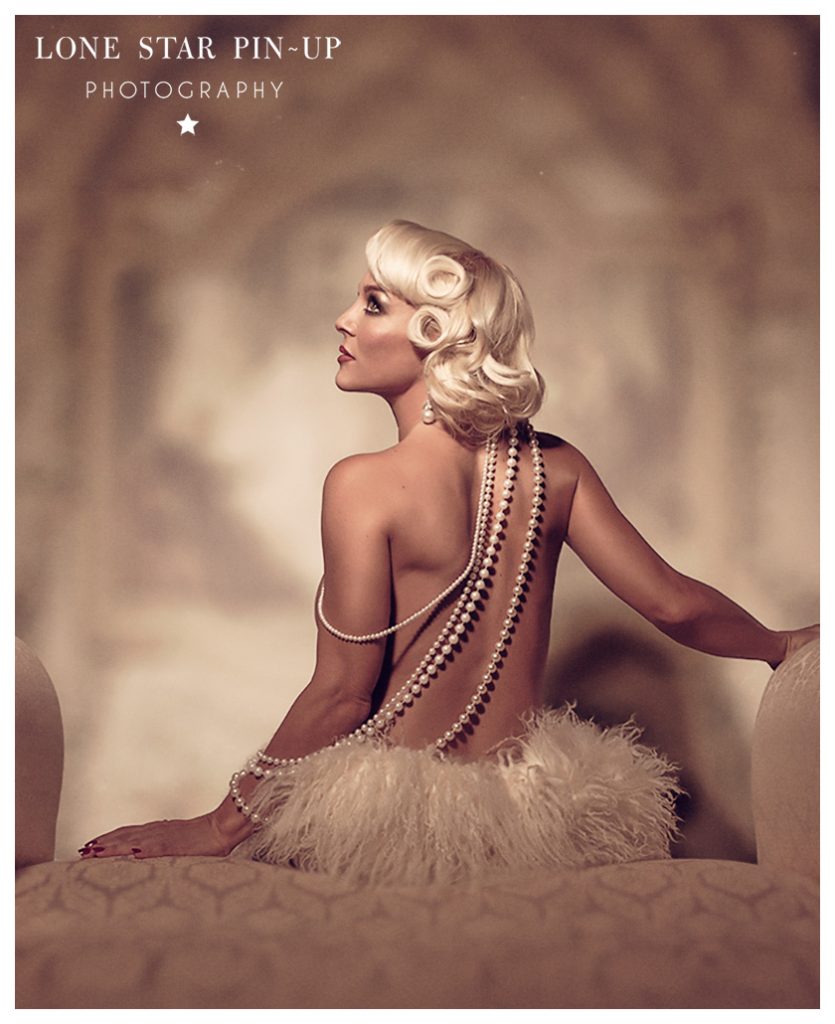
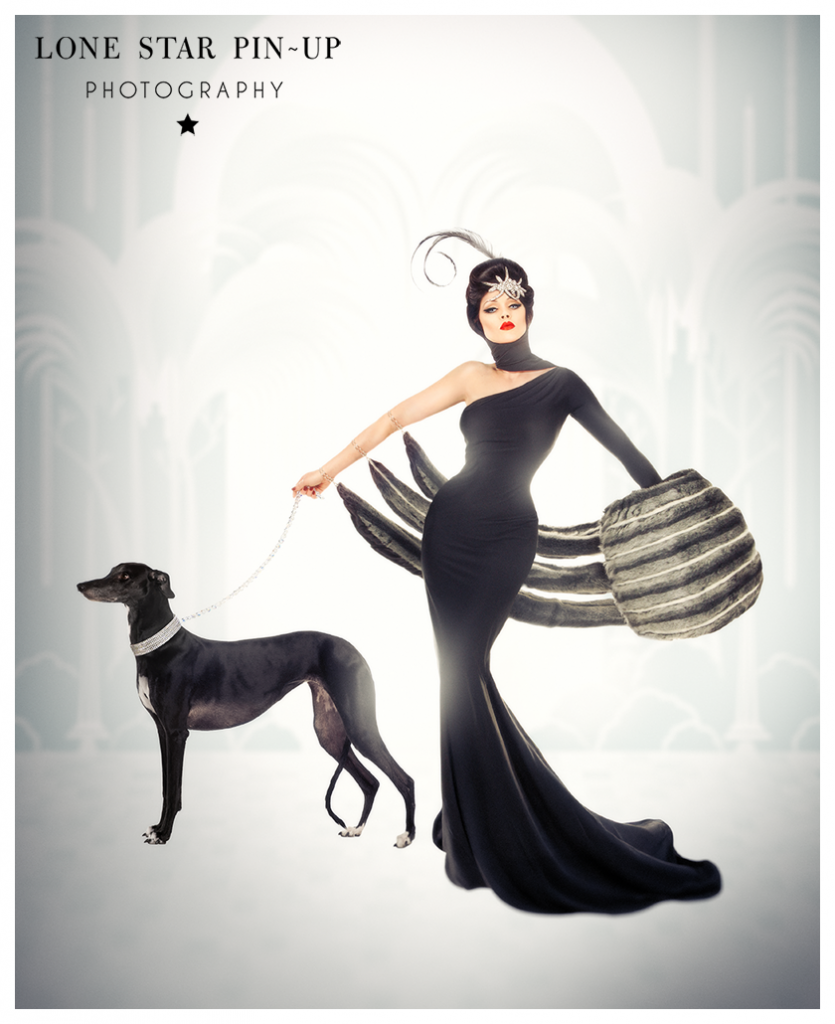
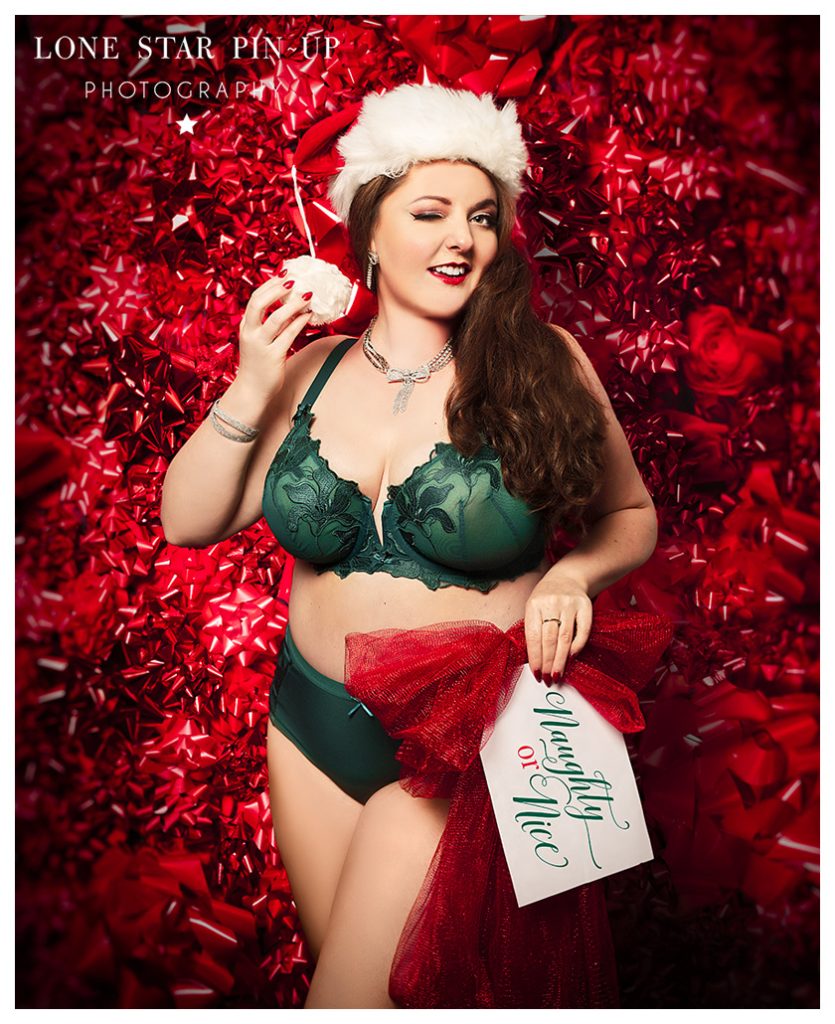
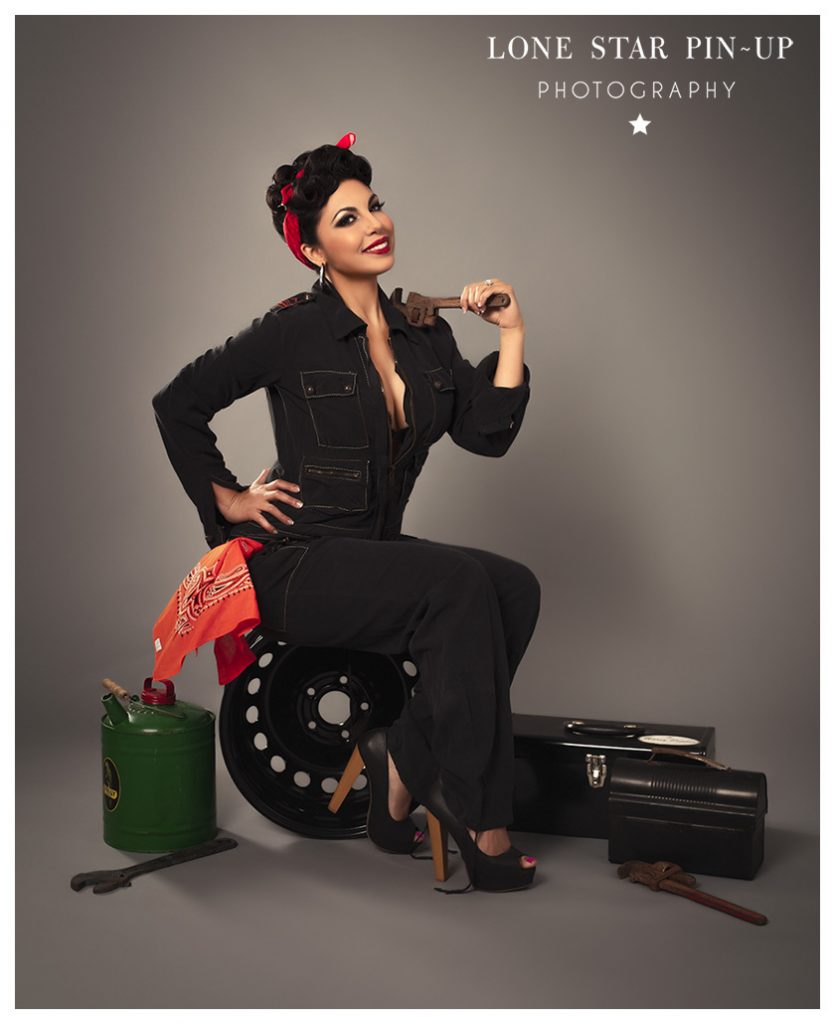
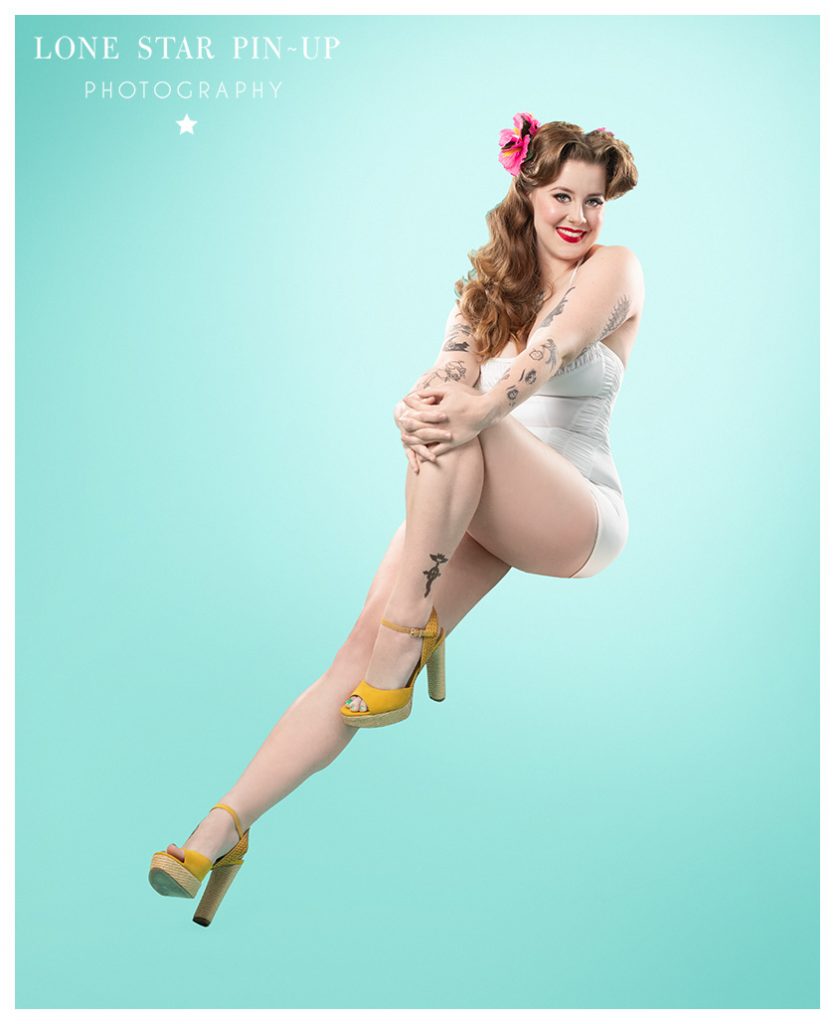
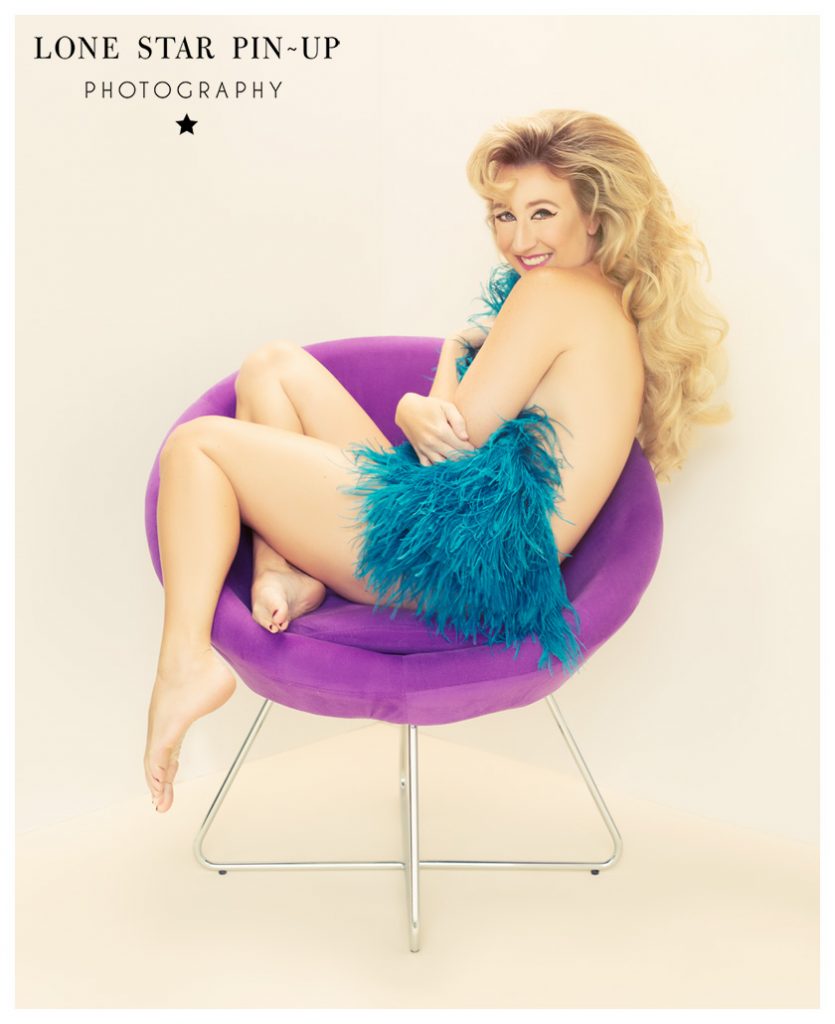
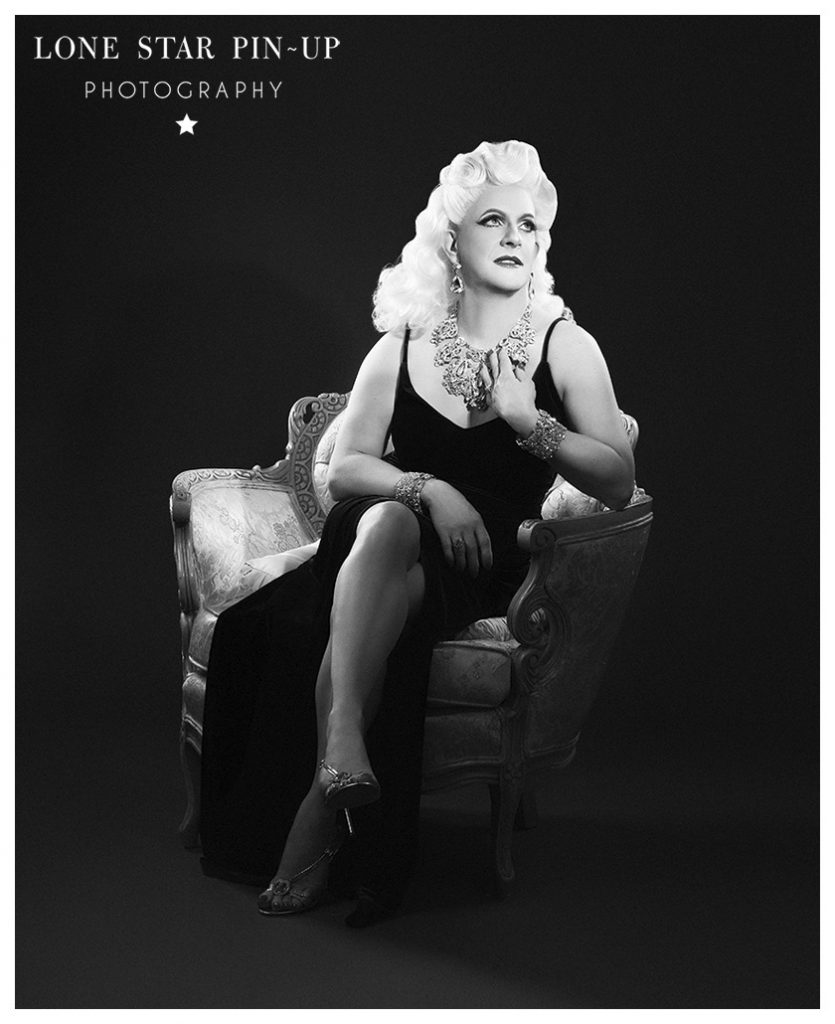
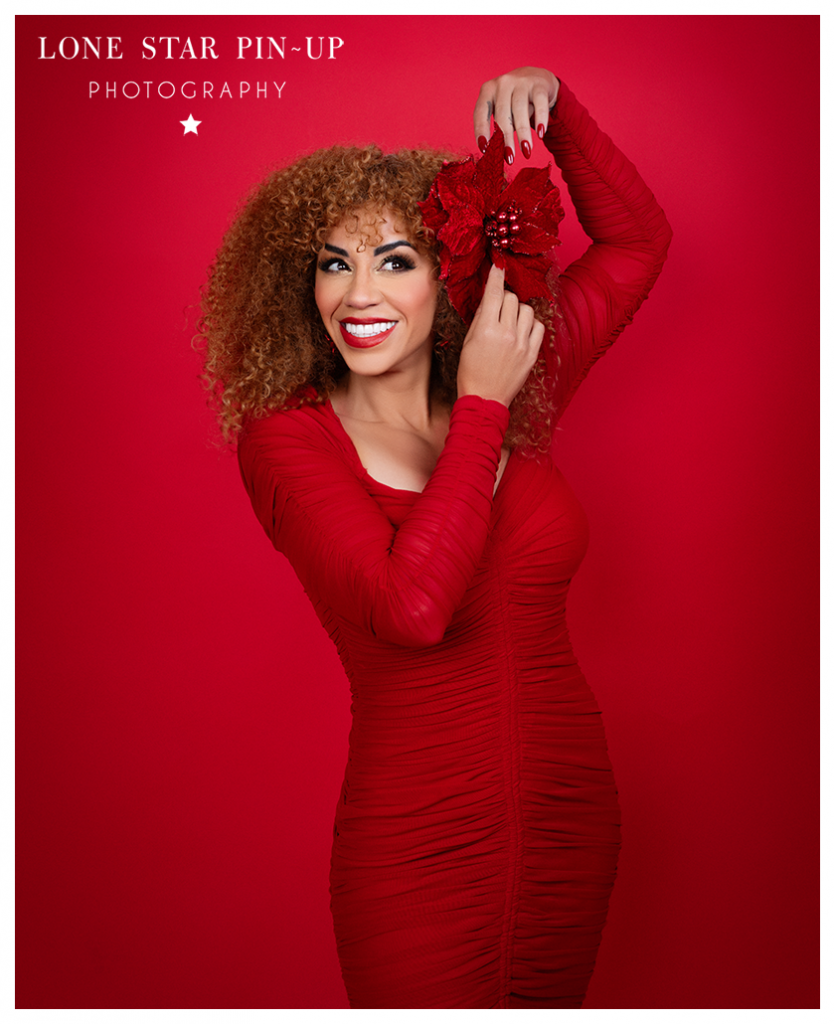
One of the things we love most about today’s pin-up revival is the freedom to reinterpret the past without bringing all of its restrictions along for the ride. At Lone Star Pin-up, our clients choose the styles, themes, and personalities they want to explore. Some adore the elegance of Old Hollywood. Others gravitate toward classic cheesecake pin-ups, burlesque, dramatic glamour, or something completely unexpected. The point isn’t to recreate a narrow historical standard of beauty. It’s to take inspiration from the past and create something that belongs to the person standing in front of the camera.
And that’s perhaps the most interesting part of pin-up’s continuing evolution. The clothes, hairstyles, and poses might look familiar, but the women wearing them have their own stories, perspectives, and ideas about how they want to be seen.
More Than Just a Pretty Picture
It’s easy to admire a vintage photograph without considering the complicated world that produced it. But look a little closer, and you’ll find that pin-up history is woven into some of the biggest cultural changes of the last century. War, women’s rights, racial inequality, censorship, changing beauty standards, and shifting ideas about sexuality have all left their fingerprints on the art we love.
That doesn’t mean every pin-up was intended to make a political statement. Sometimes a beautiful picture really was created simply to be a beautiful picture. But even those images tell us something about the values, expectations, and attitudes of their time. The glamour is what catches our attention. The history behind it is what makes it fascinating. And as it turns out, a fabulous pair of heels can carry quite a bit of history.