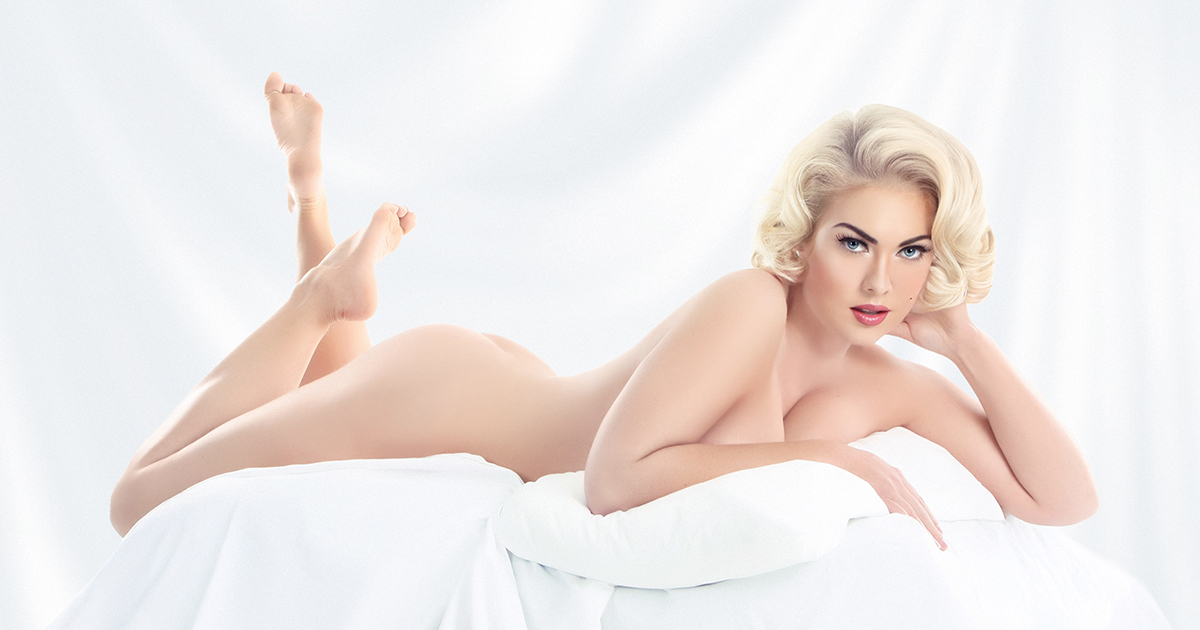
Few faces are as instantly recognizable as Marilyn Monroe’s. Platinum blonde curls, red lips, a beauty mark, that breathy smile and, somewhere nearby, probably a white dress billowing over a subway grate. More than 60 years after her death, we can identify “Marilyn” from just a handful of details. But Marilyn Monroe wasn’t simply born an icon. The woman born Norma Jeane Mortenson spent years developing the look, mannerisms, voice, wardrobe, and camera presence that would eventually become one of Hollywood’s most famous personas.
That’s what makes Marilyn Monroe’s style so interesting. Behind an image often remembered as effortless sex appeal was an enormous amount of intention. Hair, makeup, clothing, posing, lighting, photography, and Marilyn’s own understanding of the camera all played a part. So rather than simply admiring the finished product, let’s take a closer look at how Norma Jeane became Marilyn.
Before She Was Marilyn
Before Marilyn Monroe became Hollywood’s most famous blonde, she was Norma Jeane. Her path to stardom began with modeling in the 1940s. Photographs of the young Norma Jeane helped attract the attention of Hollywood, and in 1946 she signed a contract with 20th Century Fox.
Along with a movie contract came a new name. Norma Jeane became Marilyn Monroe, combining the first name Marilyn, suggested by studio executive Ben Lyon, with Monroe, a family name from her mother’s side. Her transformation, however, went far beyond a name.
Creating the Blonde Bombshell
The Marilyn Monroe we recognize today developed gradually. Her naturally brown hair was lightened and eventually became the platinum blonde that would define her image. Her brows were shaped into their distinctive arches. Hair, makeup, wardrobe, posing, expression, and even the way she moved all became part of the Marilyn persona. She understood something Hollywood had known for decades: image could be an art form.
Marilyn learned how to use the camera. A tilted chin, lowered eyelids, parted lips, or playful smile could completely change the feeling of a photograph. She could appear glamorous in one frame, vulnerable in another, and delightfully mischievous in the next. That ability helped make her an extraordinary photographic subject. Photographers including Milton Greene, Eve Arnold, Cecil Beaton, and Philippe Halsman captured very different sides of Marilyn throughout her career. Some images presented the dazzling movie star audiences expected, while others revealed a quieter, more thoughtful woman behind the famous persona.
The Makeup Behind the Marilyn Look
Marilyn’s signature makeup remains one of the most imitated beauty looks in history, but there was more happening than a swipe of red lipstick and black eyeliner. Her longtime makeup artist, Allan “Whitey” Snyder, worked with Marilyn for years and helped develop the look audiences came to associate with her.
Her lips were carefully shaped to appear fuller and more dimensional. Rather than relying on a single lipstick, different shades could be layered to create depth, with lighter areas used to make the lips appear more voluptuous.
Her eye makeup was equally strategic. Eyeliner, lashes, carefully placed highlights, and subtle shading helped create her famously sleepy, seductive gaze. Even the placement of light and shadow on her face worked together with the makeup to enhance her features on camera. The result appeared effortless, but like most things in Old Hollywood, it wasn’t.
Dressing an Icon
Marilyn’s wardrobe also played an enormous role in creating her public image. She understood how clothing could emphasize movement and silhouette, whether she was wearing a curve-hugging evening gown, a simple sweater, or something playfully feminine. Some of her costumes have become nearly as famous as Marilyn herself.
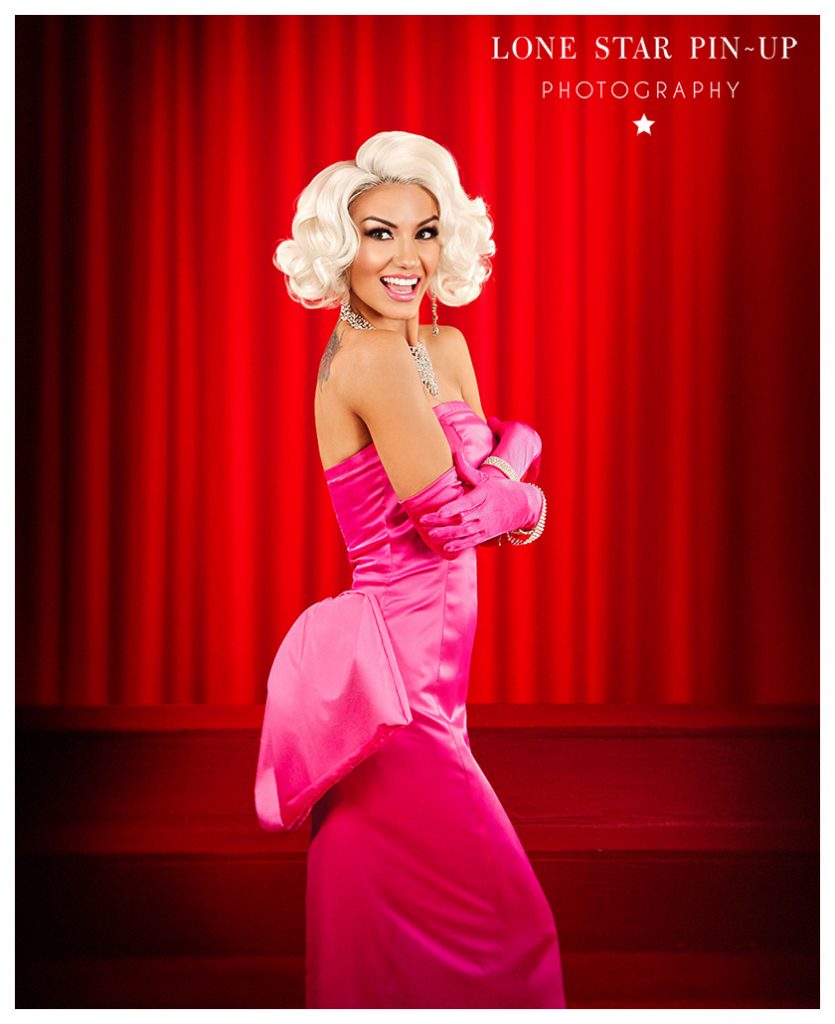
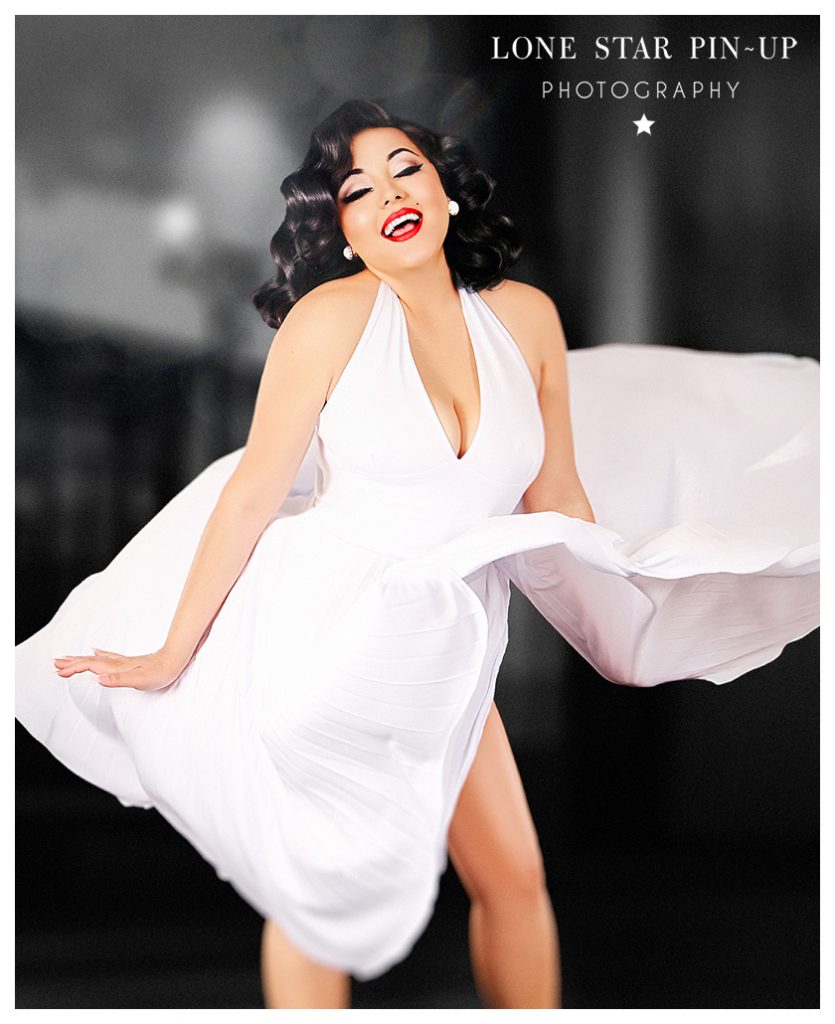
There’s the shocking pink gown and glittering diamonds of Gentlemen Prefer Blondes. The shimmering, body-skimming dress she wore while singing “Happy Birthday” to President John F. Kennedy. And, of course, the white halter dress from The Seven Year Itch, forever captured billowing above a New York subway grate.
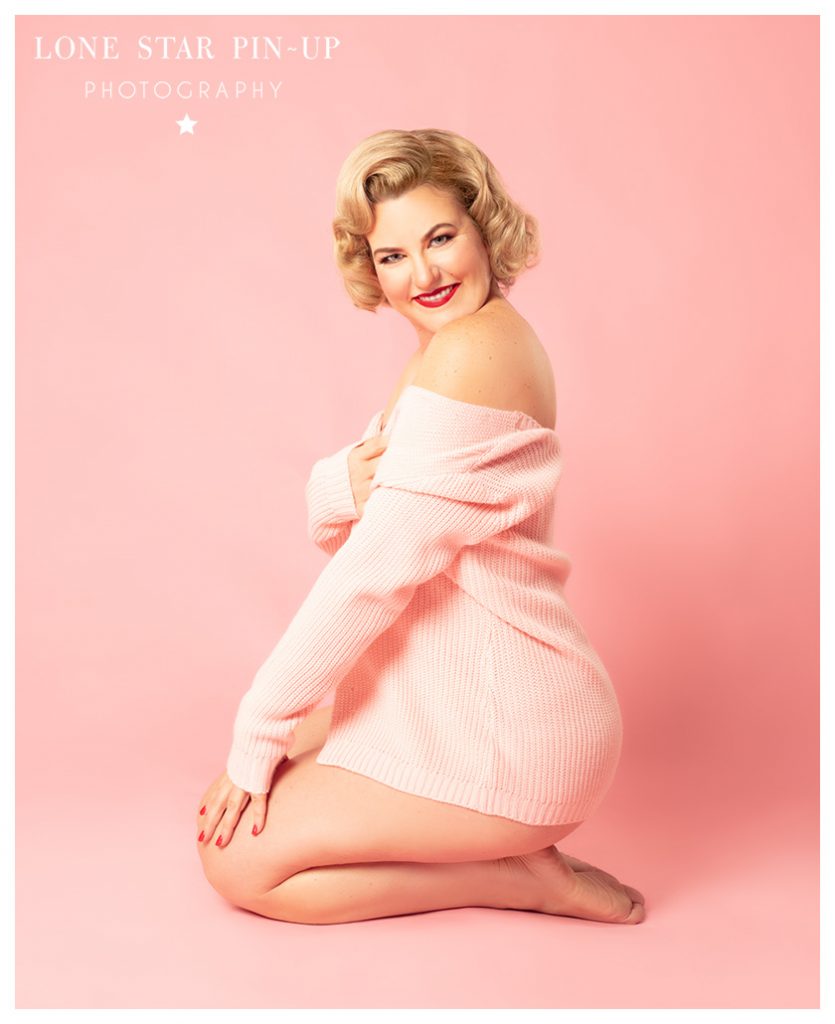
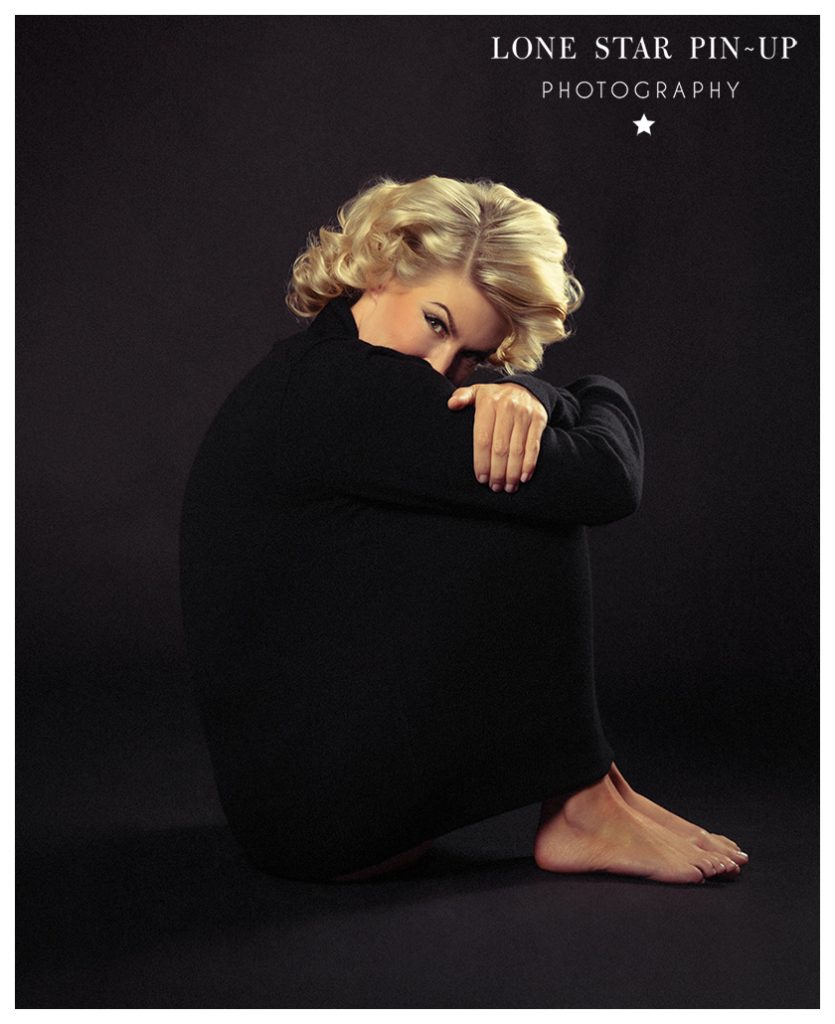
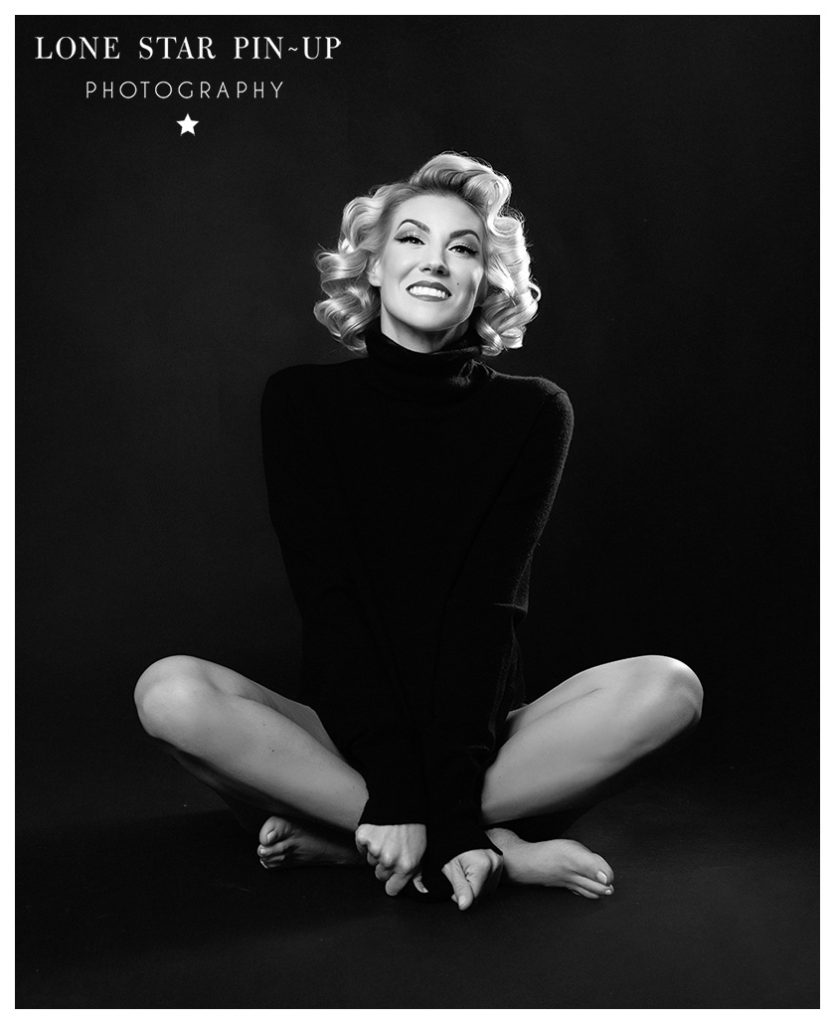
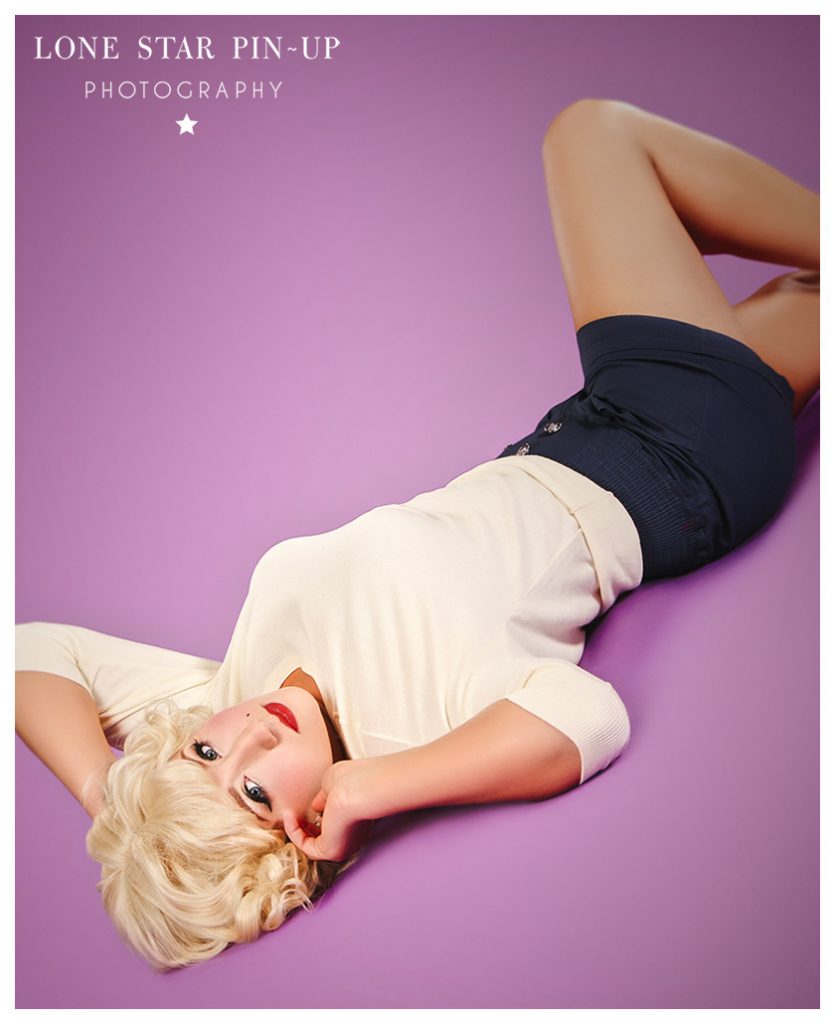
But some of Marilyn’s most memorable looks were surprisingly simple. A fitted black turtleneck. Capri pants. A white button-down shirt. A cozy sweater. Without elaborate costumes or diamonds, she still looked unmistakably like Marilyn. That’s part of what made her such a powerful style icon. She didn’t simply wear glamorous clothing. She brought personality to it.
More Than a Pretty Face
Marilyn’s image helped make her famous, but it also became a limitation. Hollywood frequently cast her as the beautiful, naïve blonde, and her comedic talent made those characters enormously successful. Films such as Gentlemen Prefer Blondes, How to Marry a Millionaire, and The Seven Year Itch cemented her status as one of the biggest stars in the world. But Marilyn wanted to be taken seriously as an actress.
In 1954, frustrated with the roles and compensation she was receiving, she challenged 20th Century Fox and left Hollywood for New York. There, she studied acting at the Actors Studio and worked to develop her craft beyond the persona that had made her famous. It was a bold move for one of Hollywood’s most recognizable stars.
Taking Control of Marilyn Monroe
In 1955, Marilyn formed Marilyn Monroe Productions with photographer Milton Greene. At a time when major studios exercised enormous control over actors’ careers, establishing her own production company was an unusually independent move. Marilyn wanted better roles, better pay, and more creative control.
Her stand eventually helped lead to a new contract with 20th Century Fox that gave her greater compensation and more influence over the projects she accepted. The woman often portrayed as Hollywood’s ultimate “dumb blonde” had successfully challenged one of the most powerful studios in the industry. That contrast is an important part of understanding Marilyn. She knew the power of the blonde bombshell image, and she knew how to perform it brilliantly. But she also spent much of her career trying to prove that the woman behind it deserved to be taken seriously.
The Marilyn Myth
More than six decades after her death, separating Marilyn Monroe from the mythology surrounding her can be surprisingly difficult. Stories about her beauty routines, relationships, clothing size, personality, and private life have been repeated so often that fact and legend frequently blur together.
One particularly persistent claim is that Marilyn would be considered “plus size” today, often accompanied by assertions that she wore a modern size 12, 14, or 16. It’s an appealing story, especially when used to challenge today’s beauty standards, but it isn’t historically accurate. Clothing sizes have changed dramatically over the decades and can’t be directly compared to modern sizing. Marilyn’s weight and measurements also fluctuated throughout her adult life, as they do for most people, but she was never plus size. She was relatively petite and slim, with a pronounced hourglass figure that emphasized her curves and helped create the voluptuous silhouette for which she became famous.
Her legacy doesn’t need the myth. What made Marilyn captivating wasn’t a number sewn into a dress. It was the way she understood her own image and learned to use it.
Why Are We Still Fascinated by Marilyn?
Marilyn Monroe died in 1962 at just 36 years old, yet her image remains almost impossible to escape. Part of that fascination is undoubtedly the glamour, but there’s also a contradiction at the center of Marilyn that continues to intrigue us.
She was simultaneously glamorous and vulnerable, playful and ambitious, widely photographed yet somehow mysterious. She created one of the most recognizable personas in popular culture while continually searching for opportunities to show the world there was more behind it. Perhaps that’s why photographs of Marilyn remain so compelling. We aren’t simply looking at a beautiful woman in a beautiful photograph. We’re looking at someone who understood the transformative power of image.
Channeling Marilyn Today
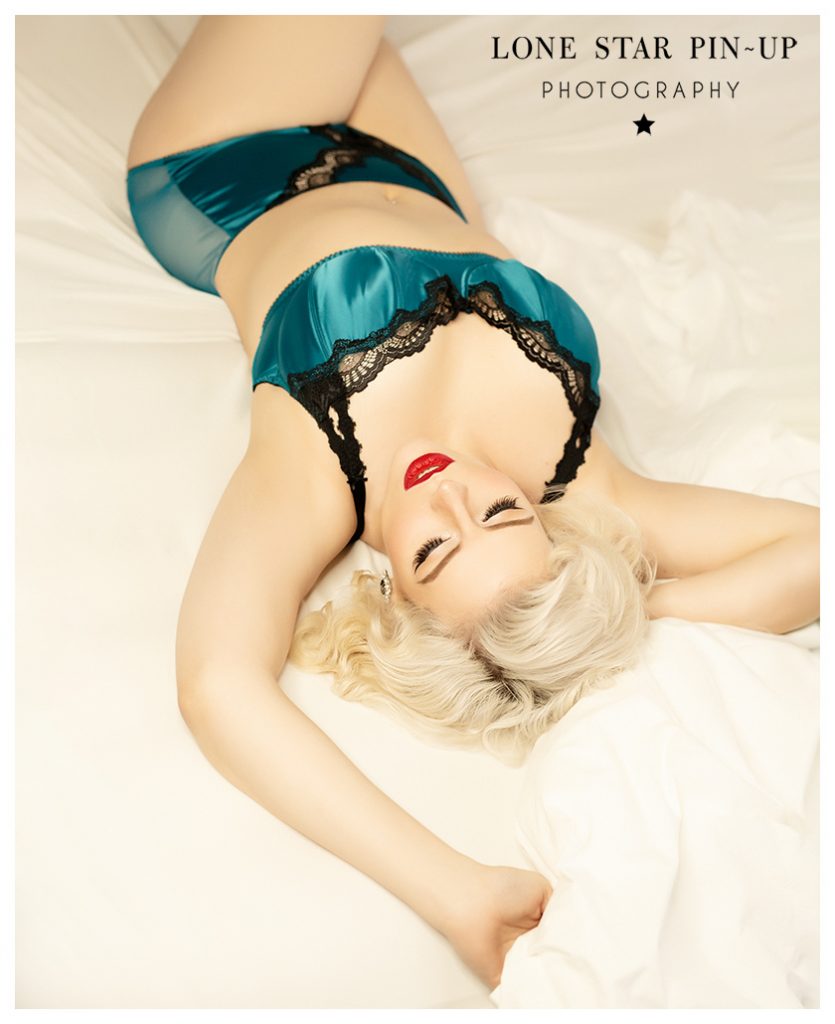
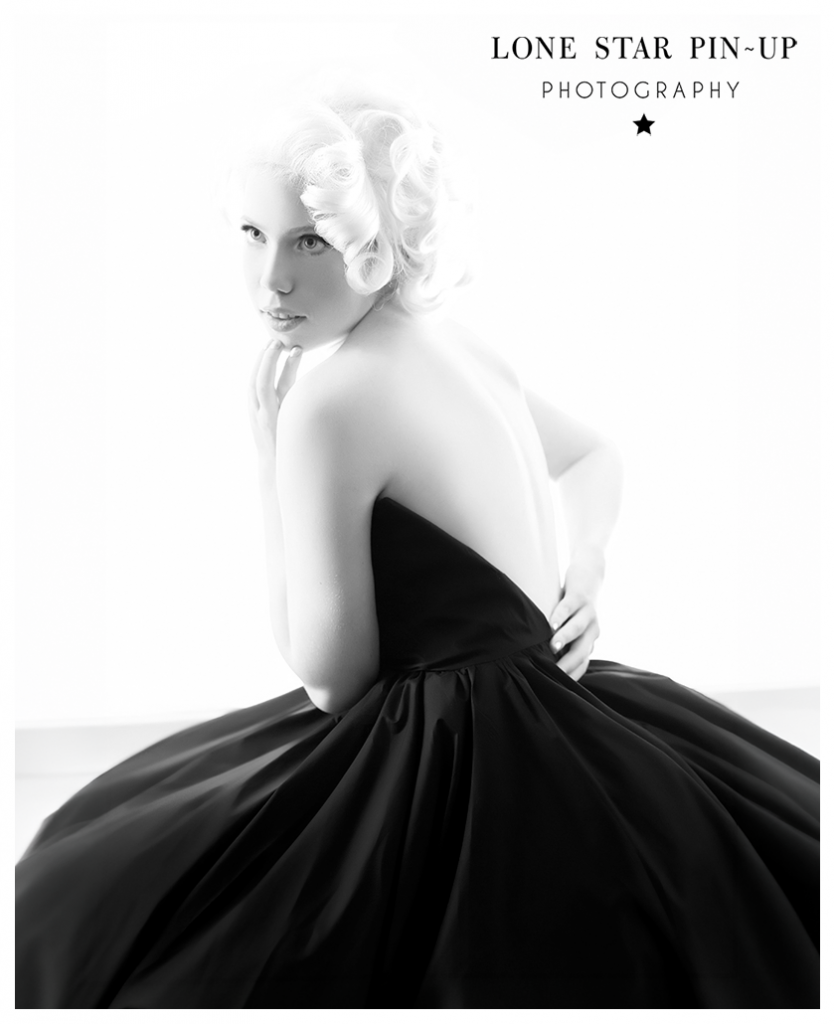
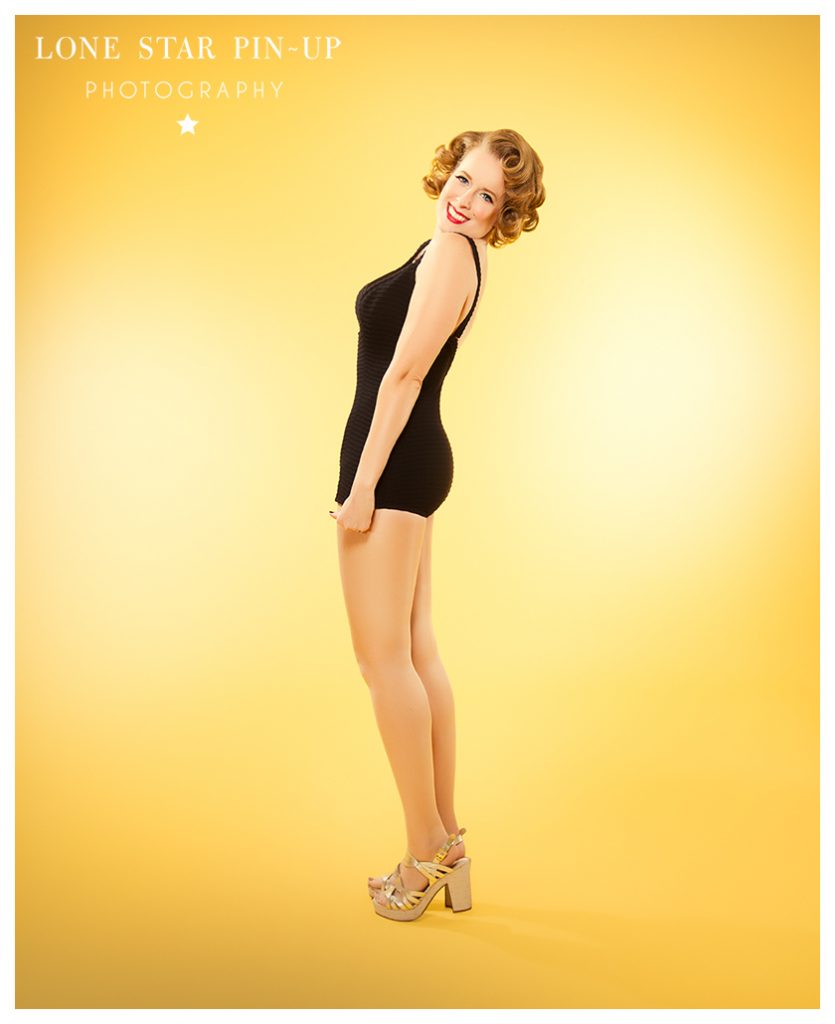
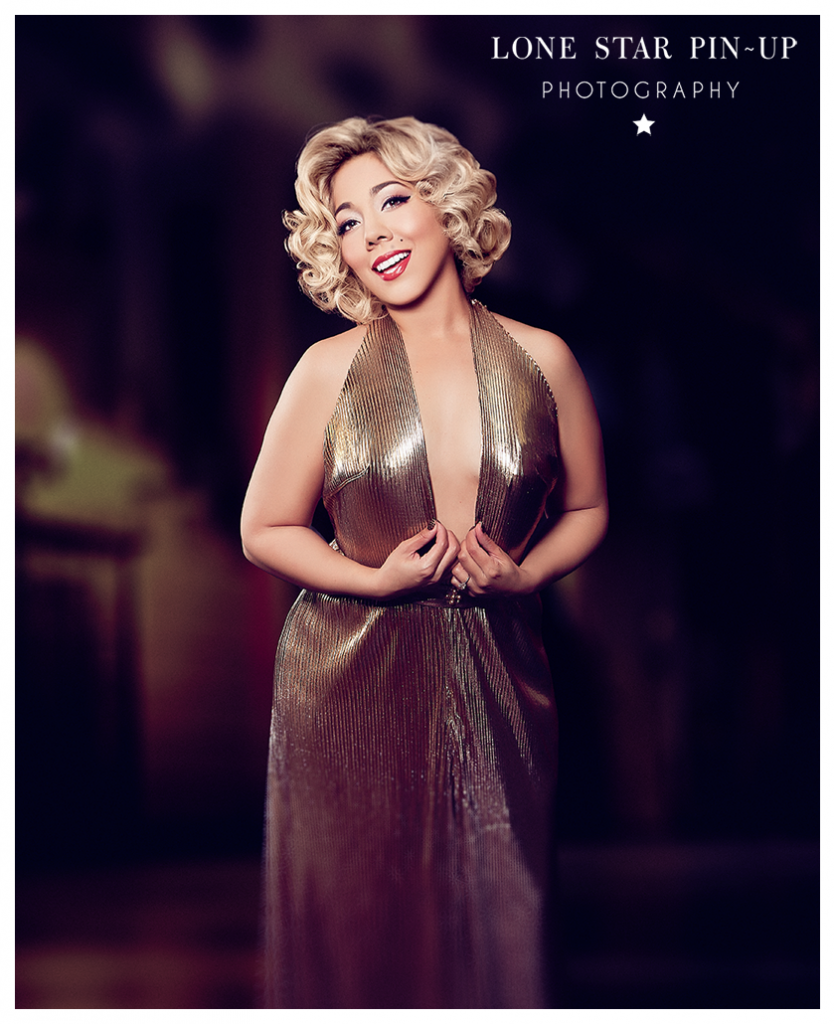
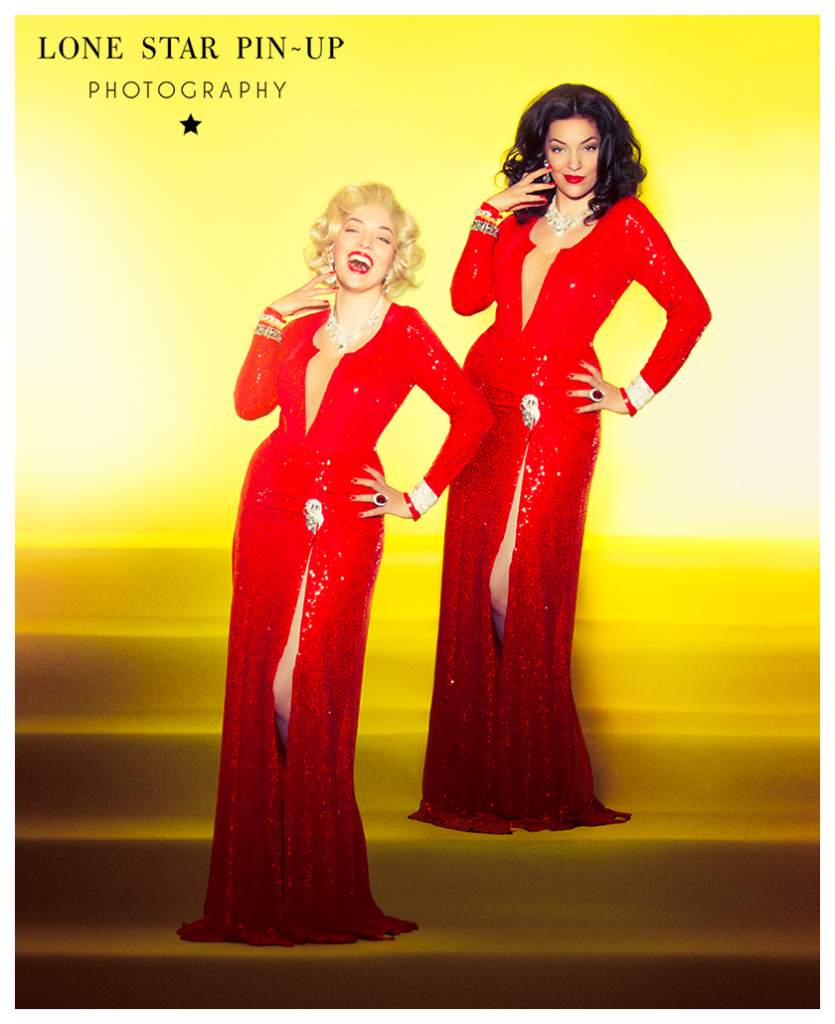
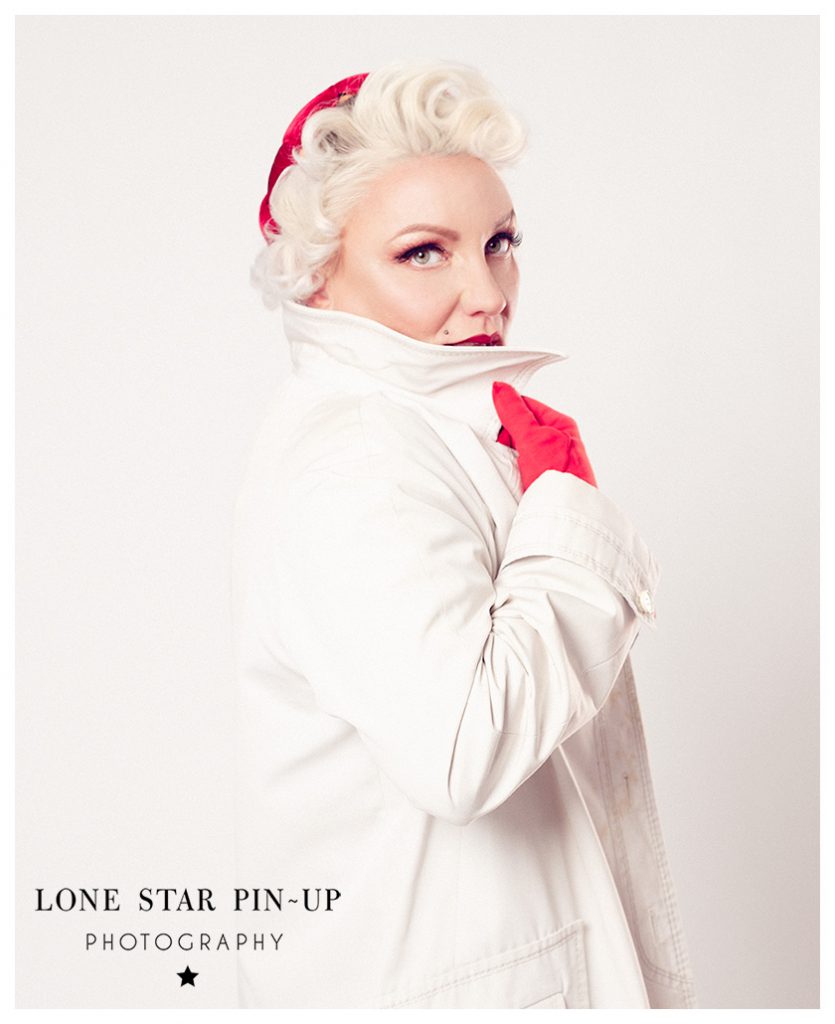
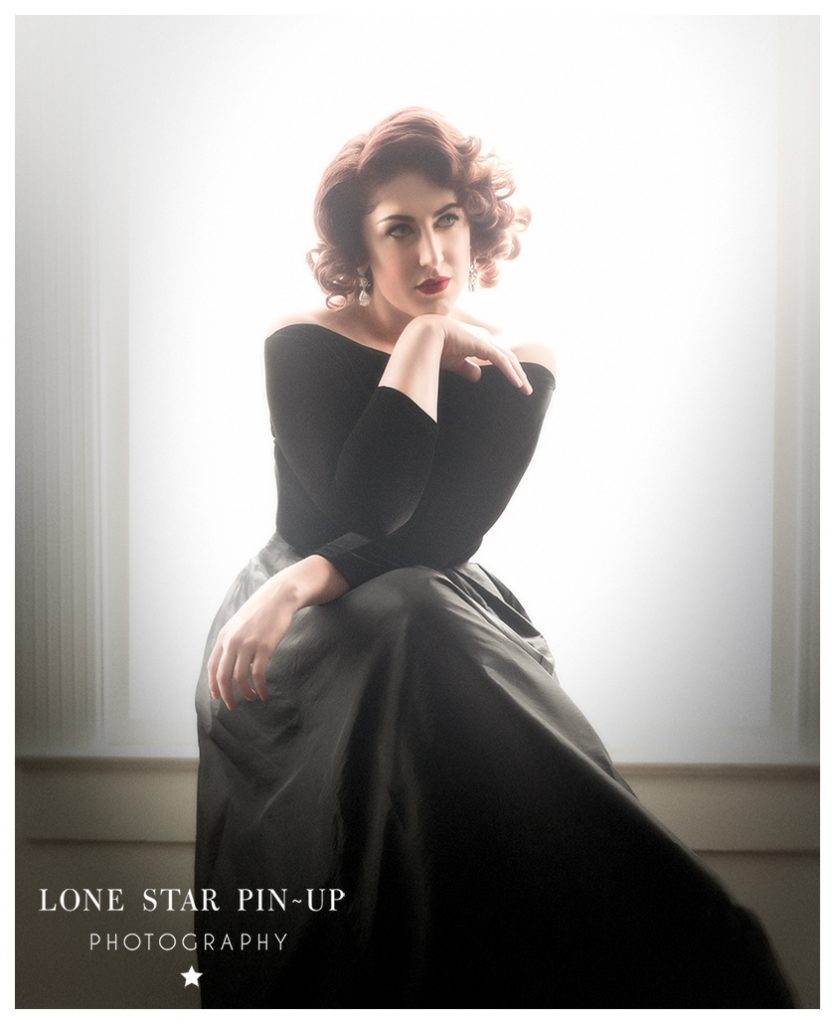
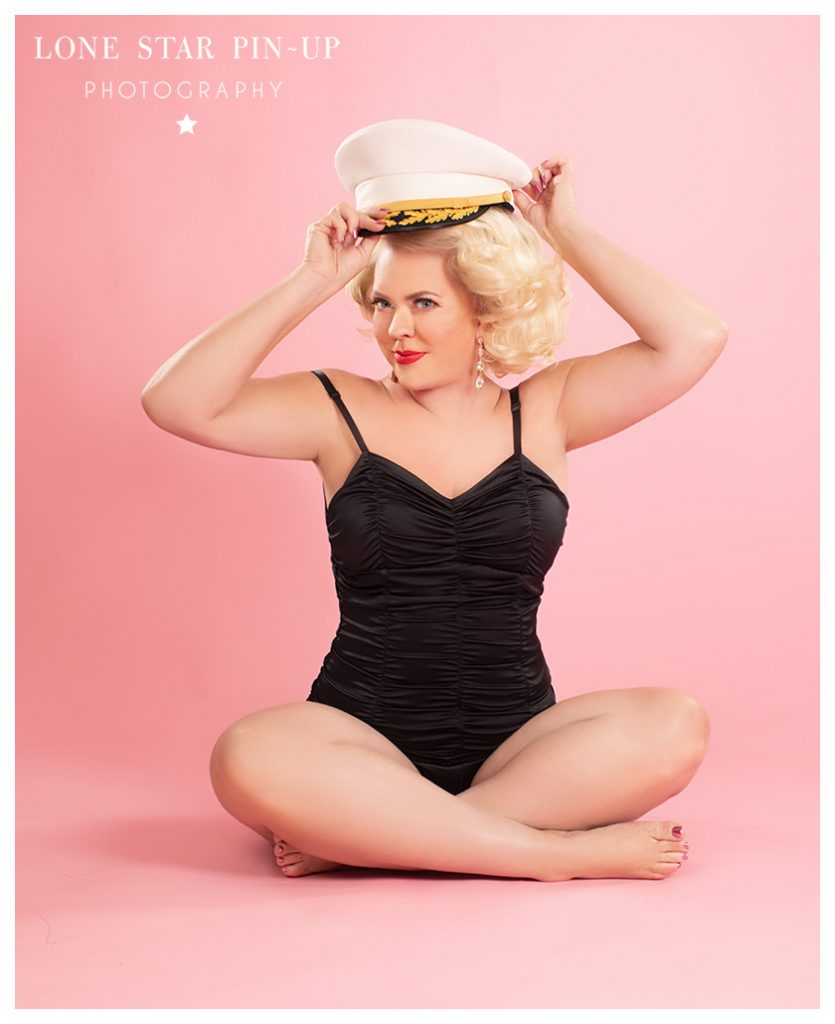
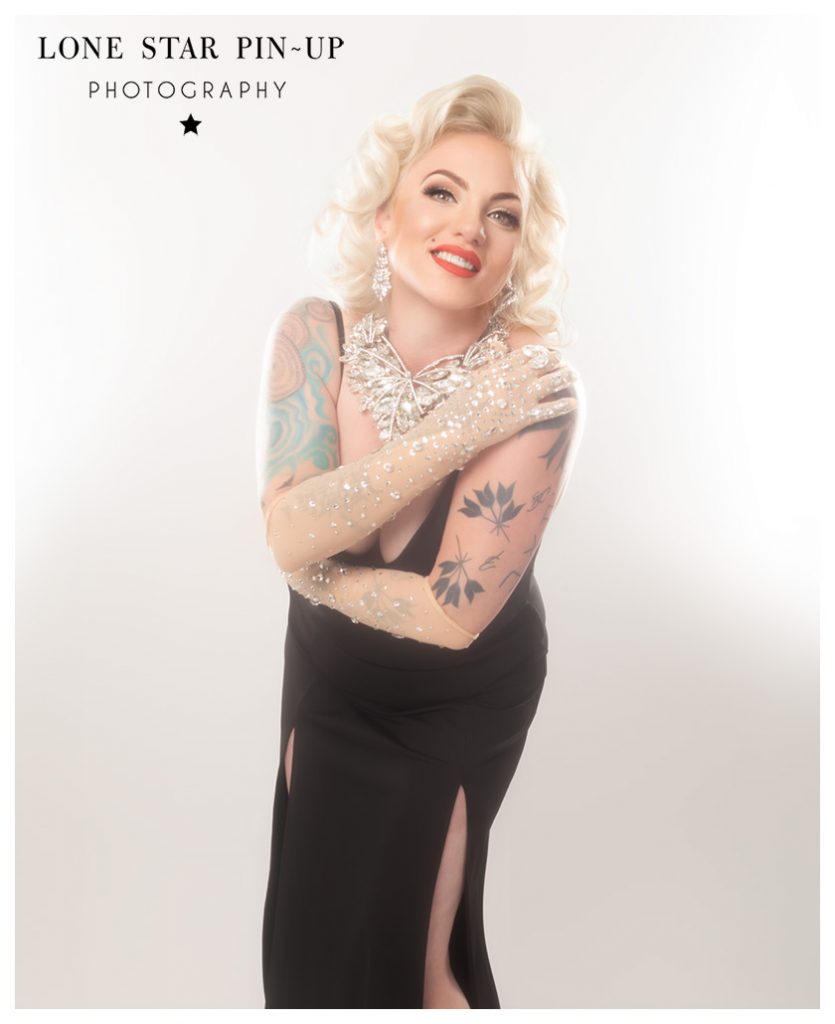
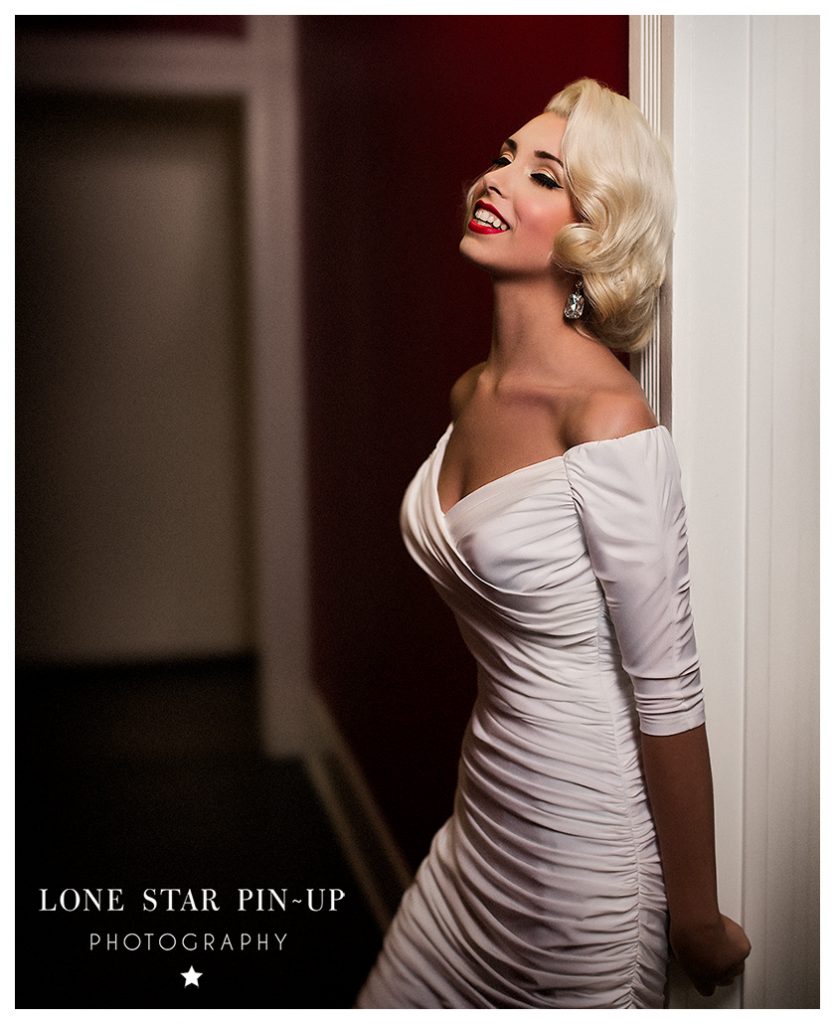
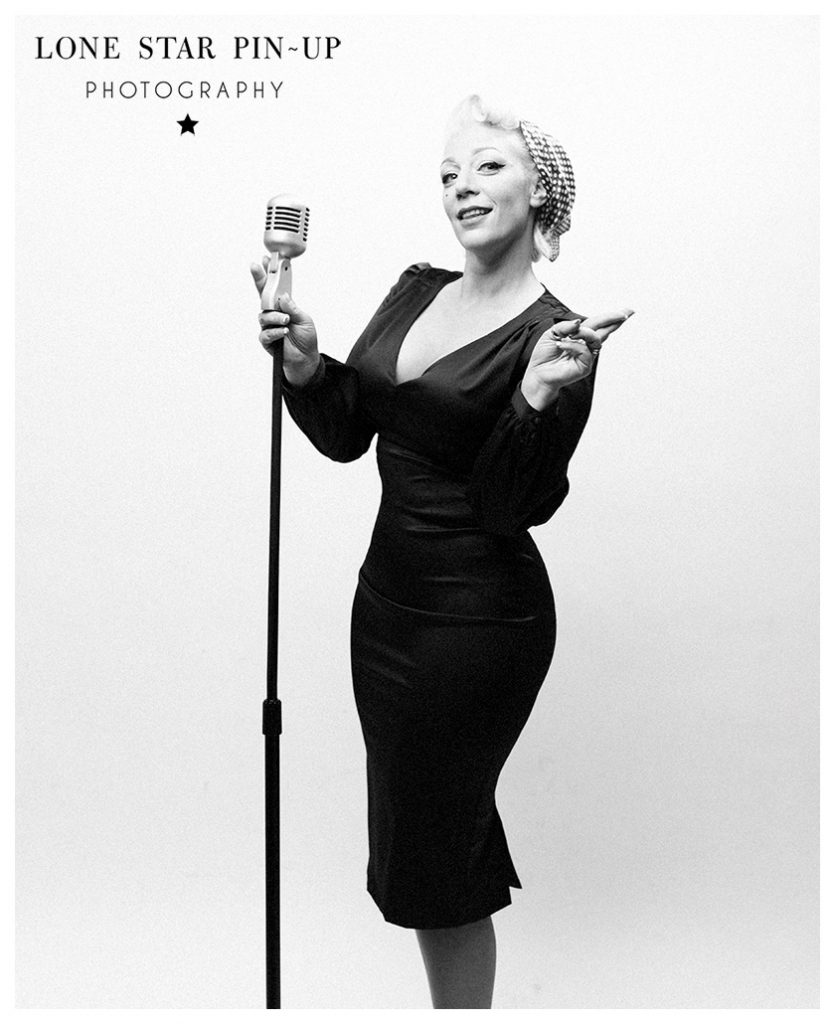
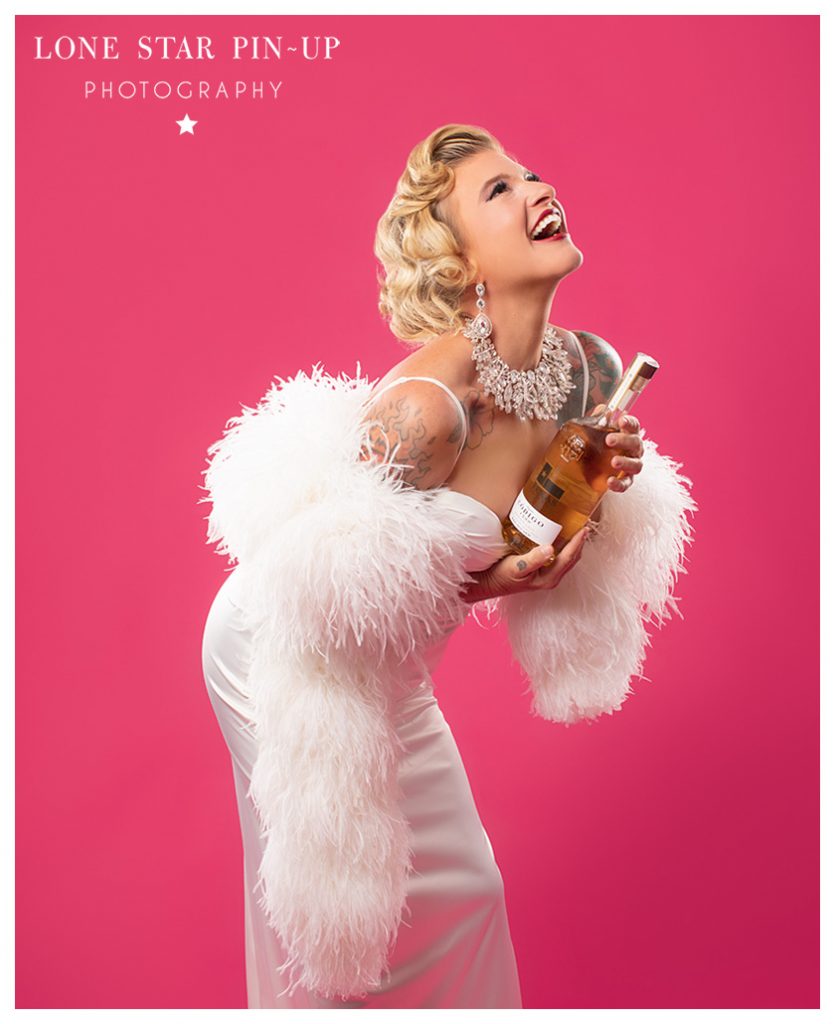
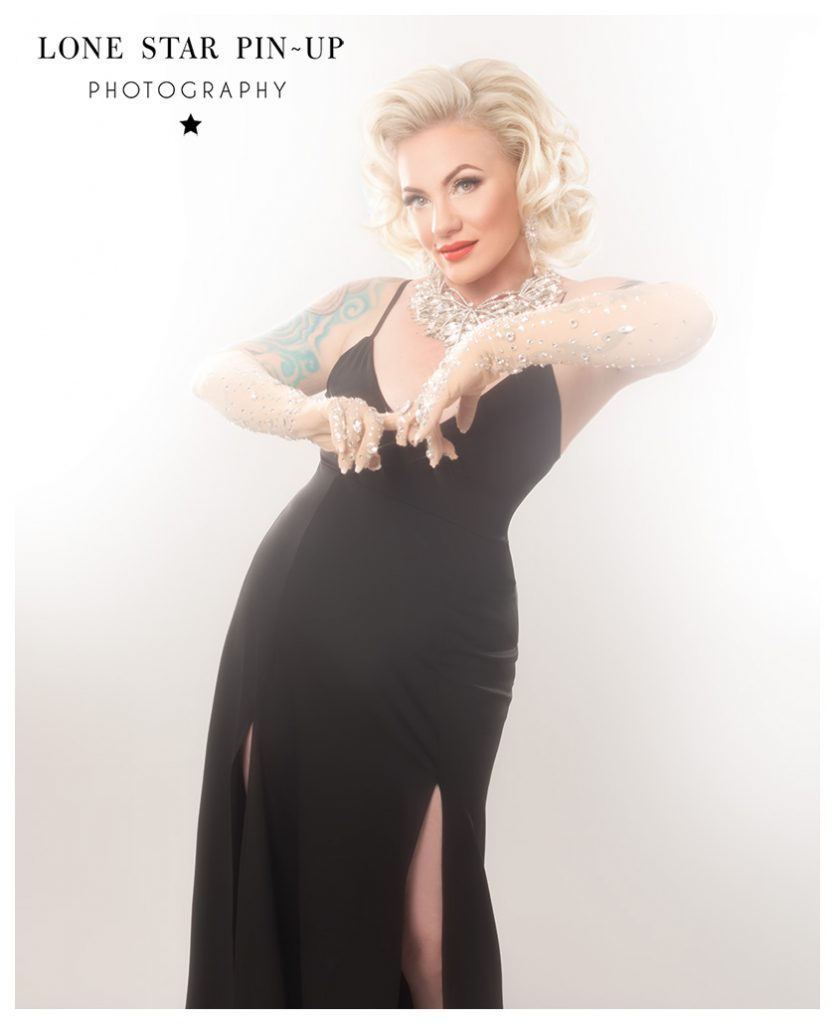
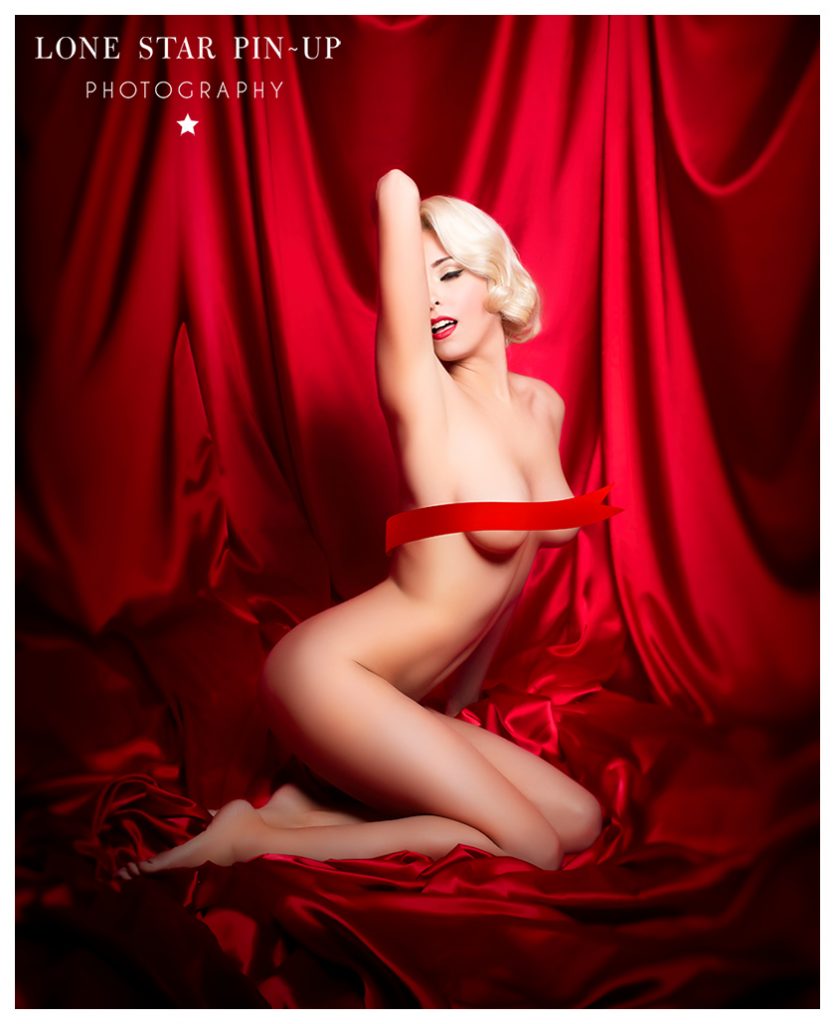
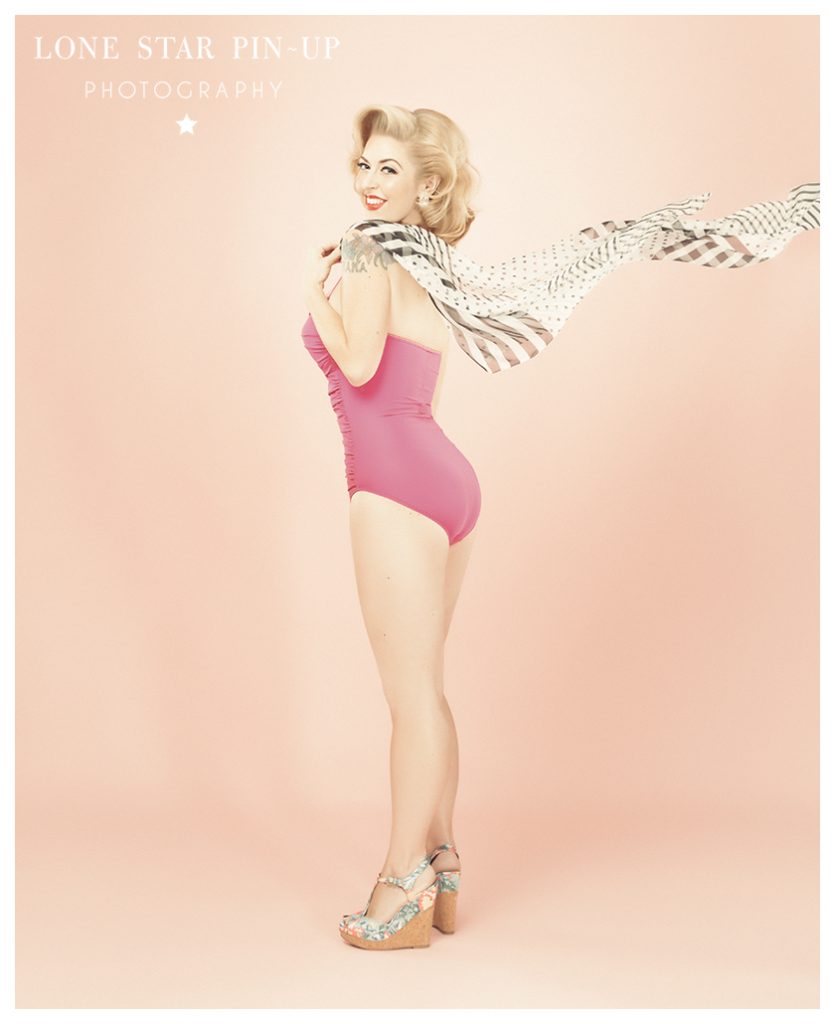
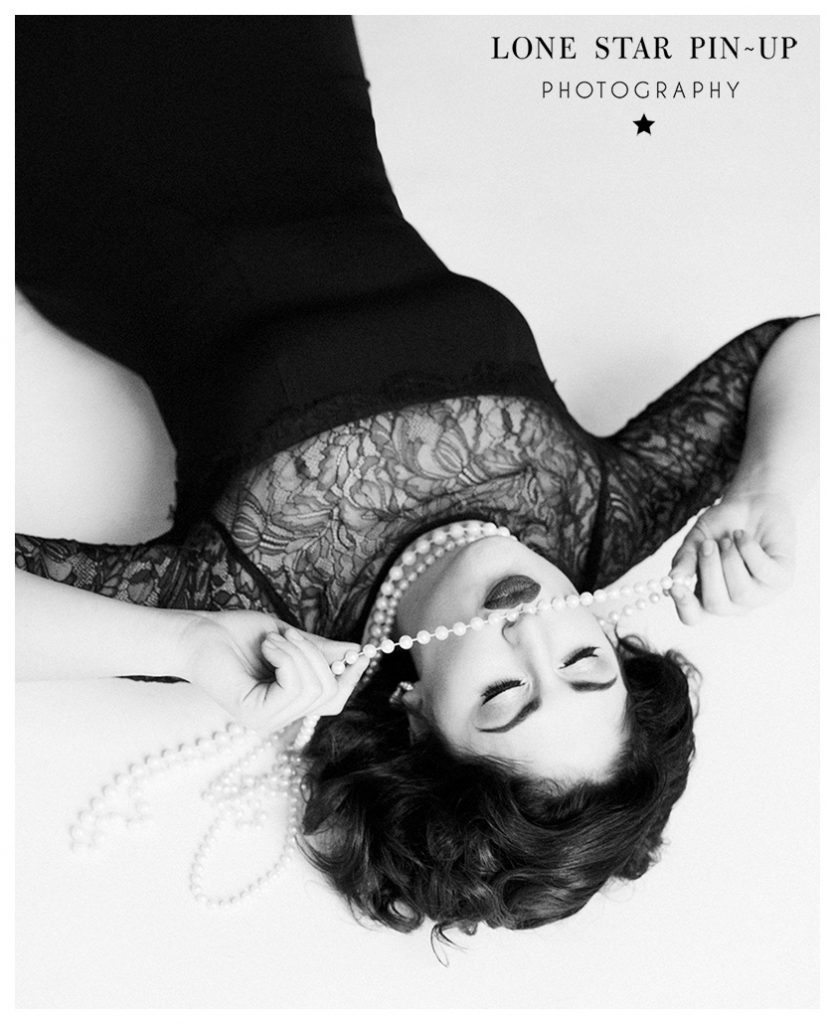
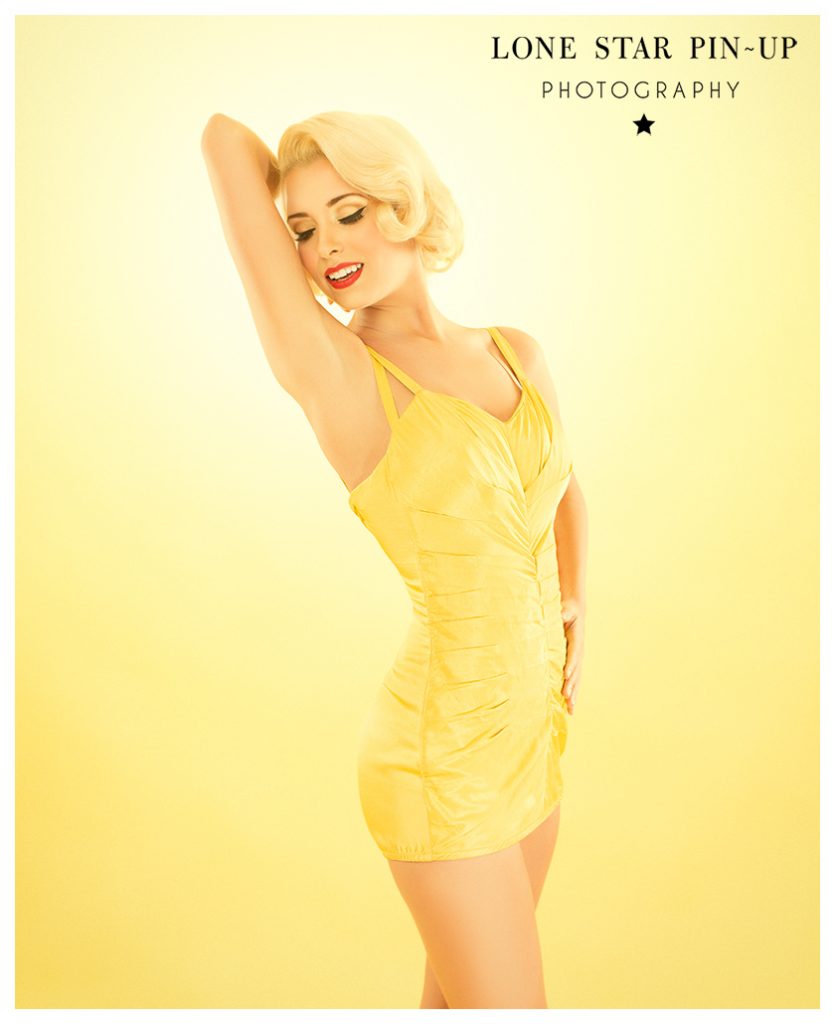
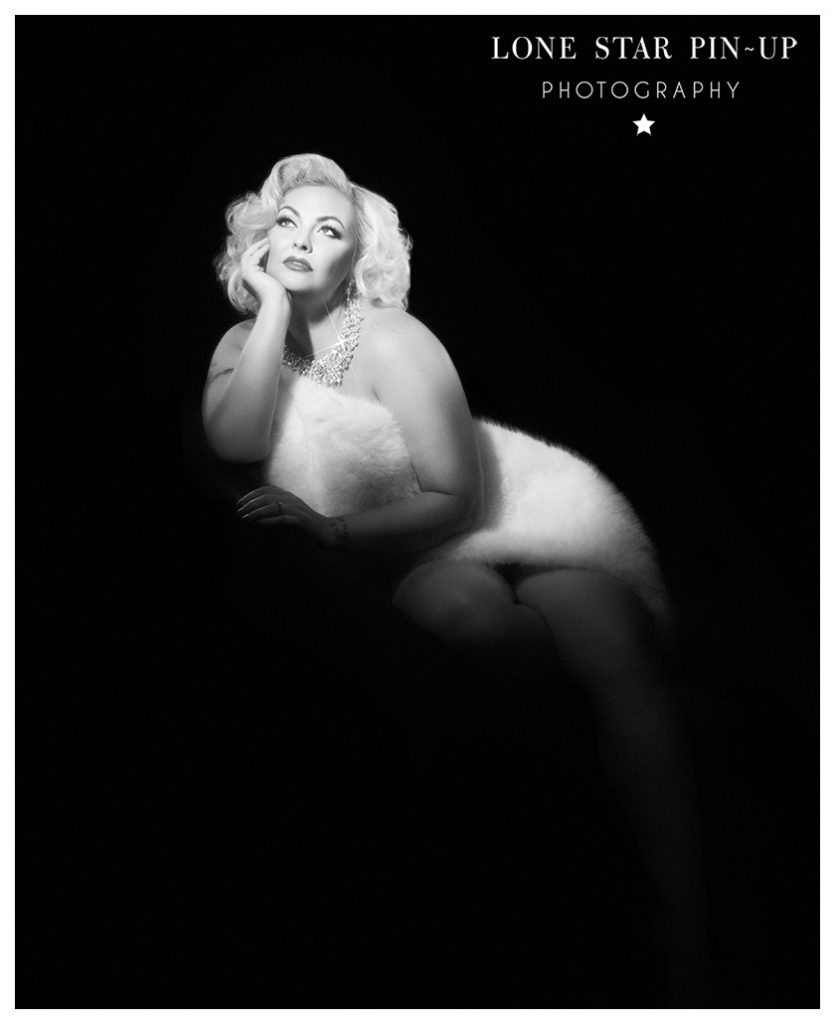
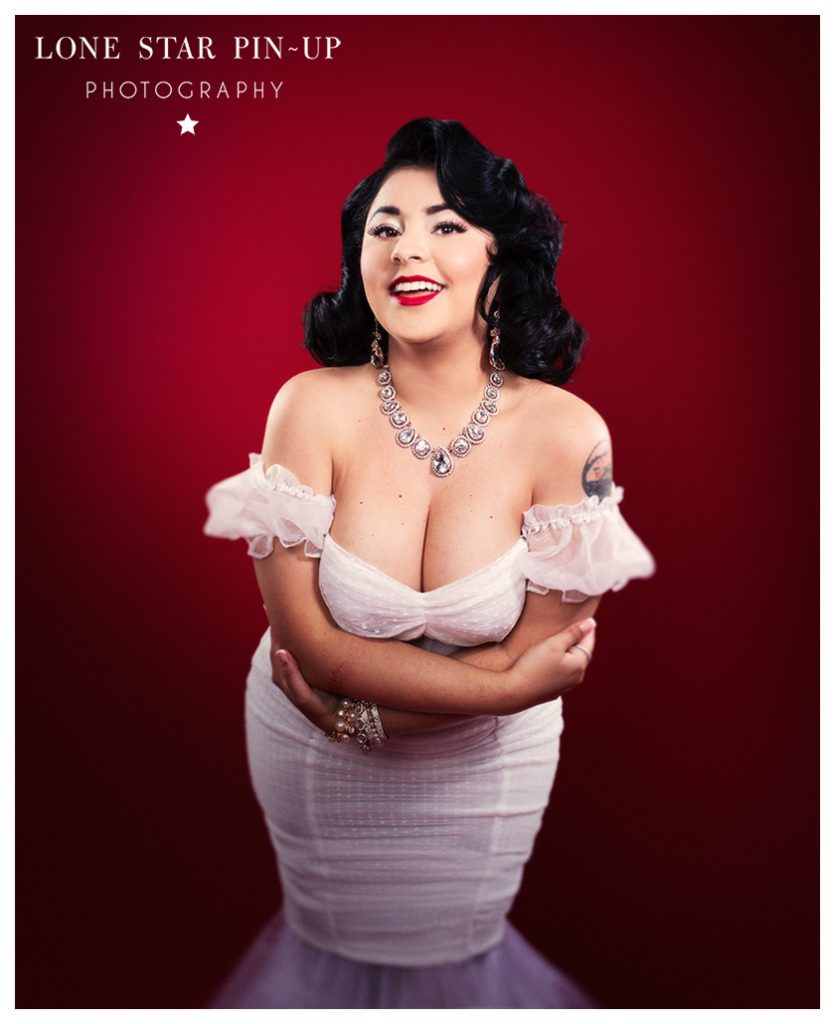
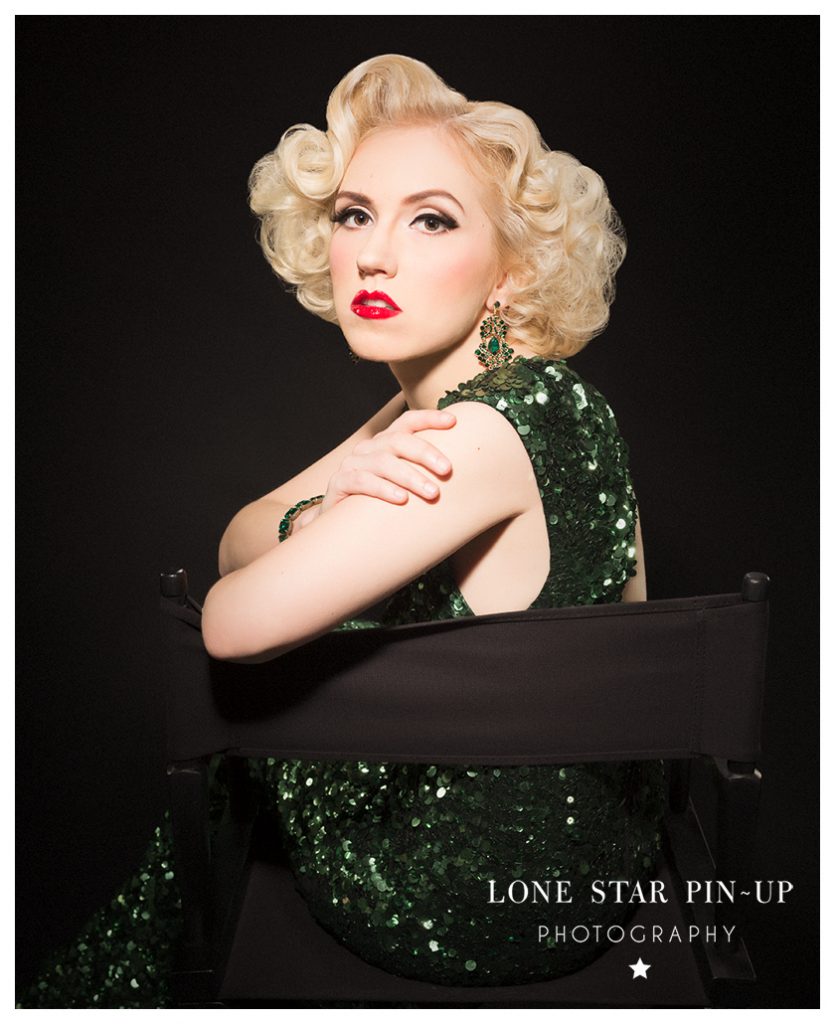
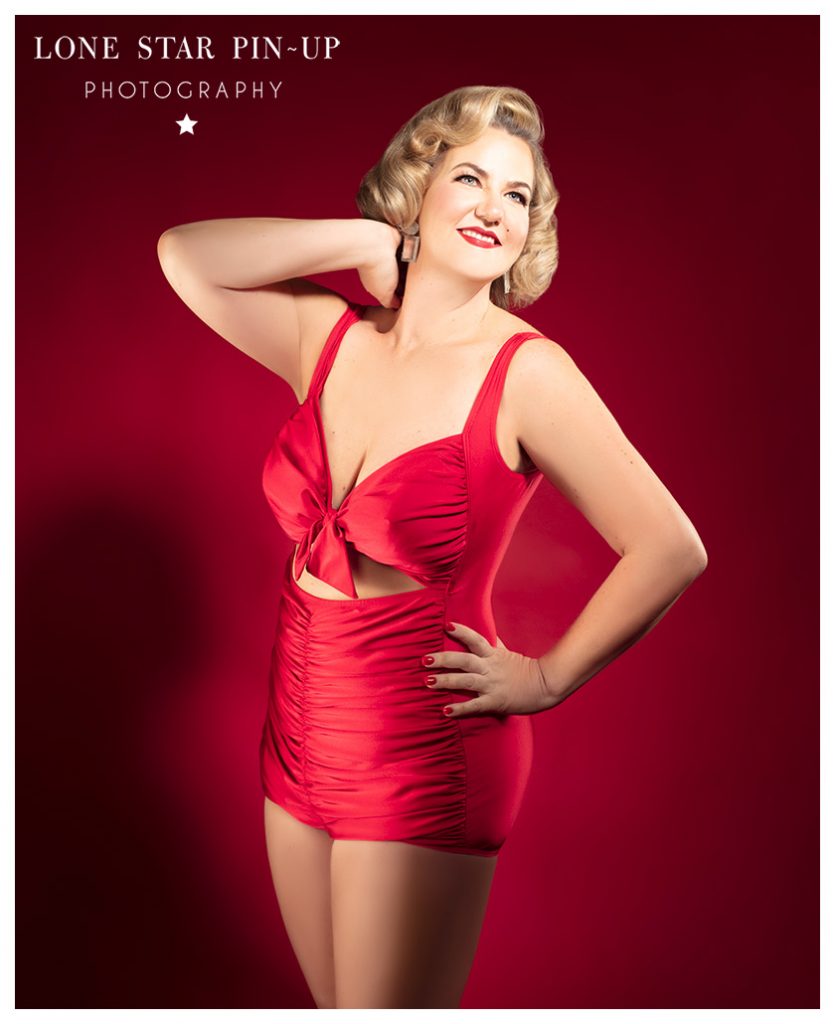
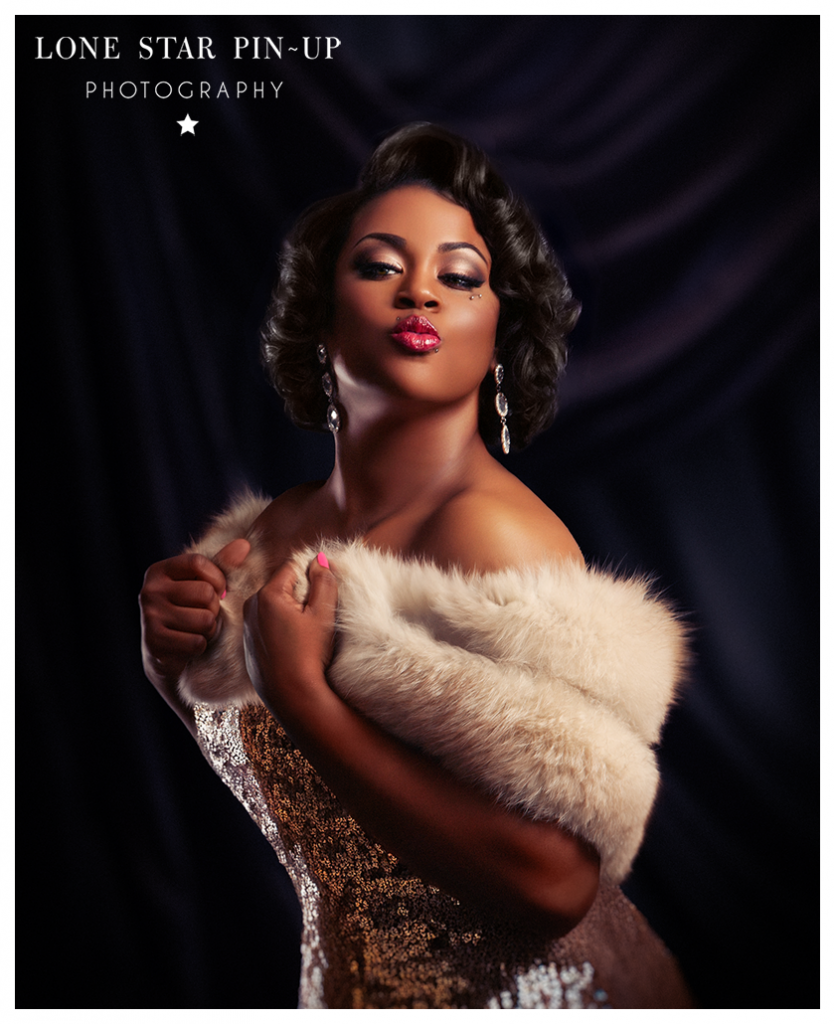
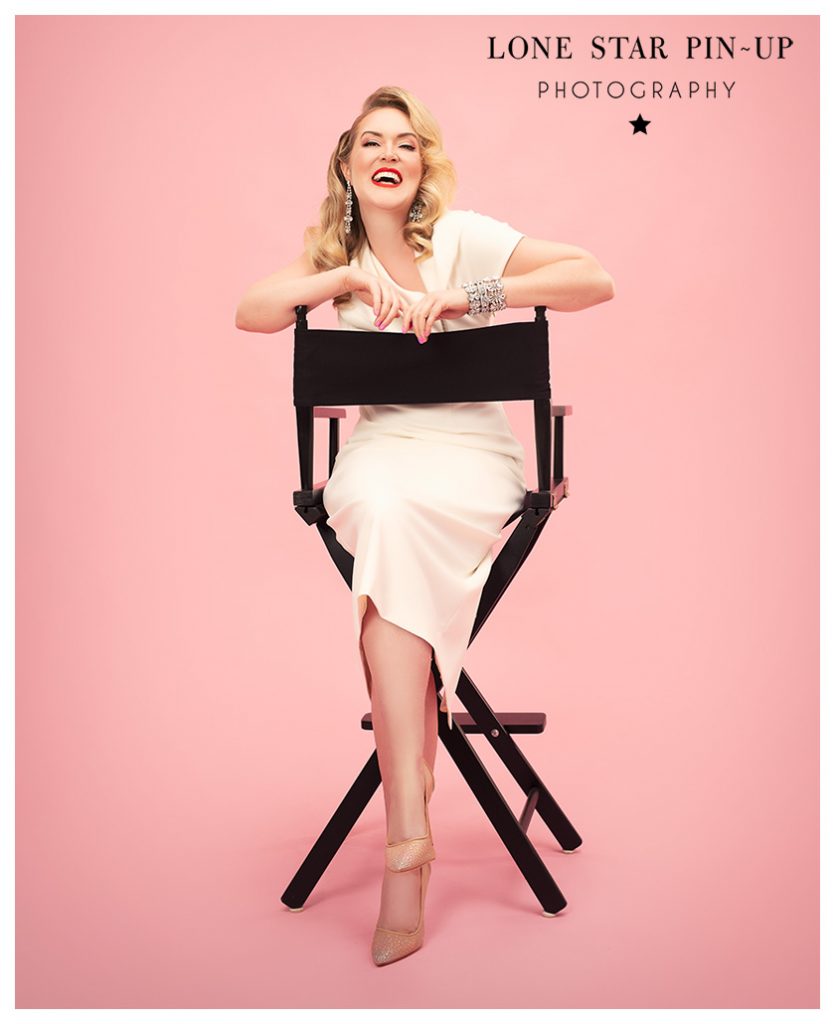
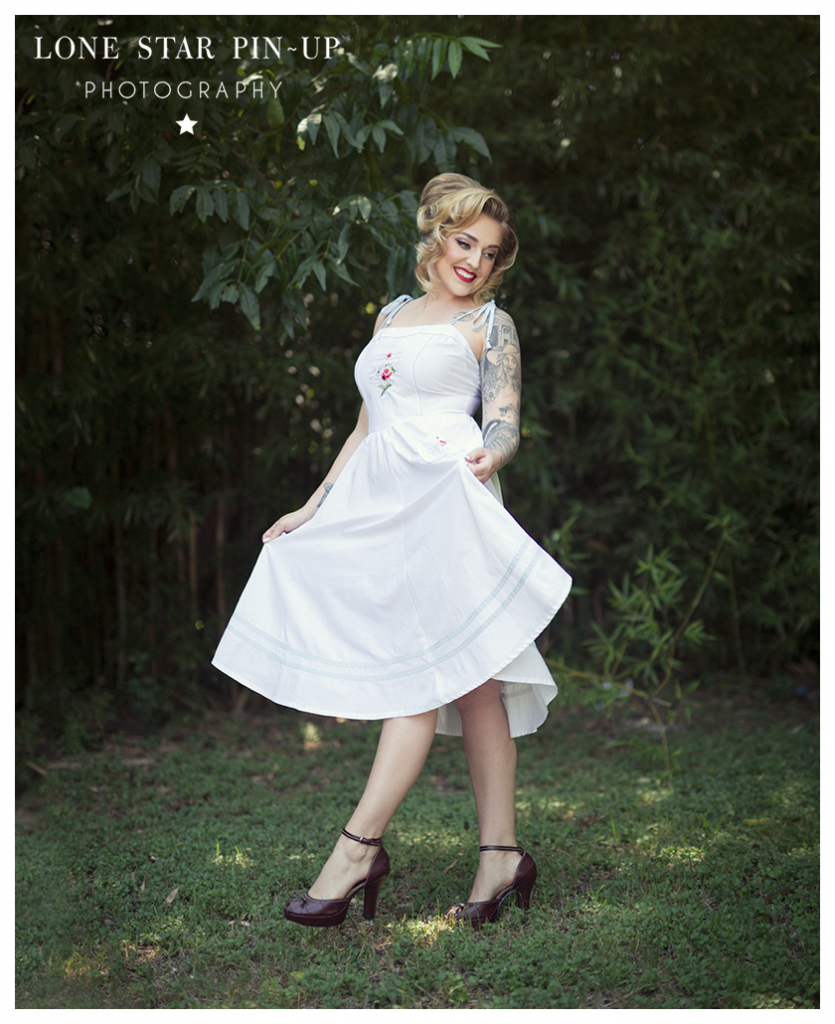
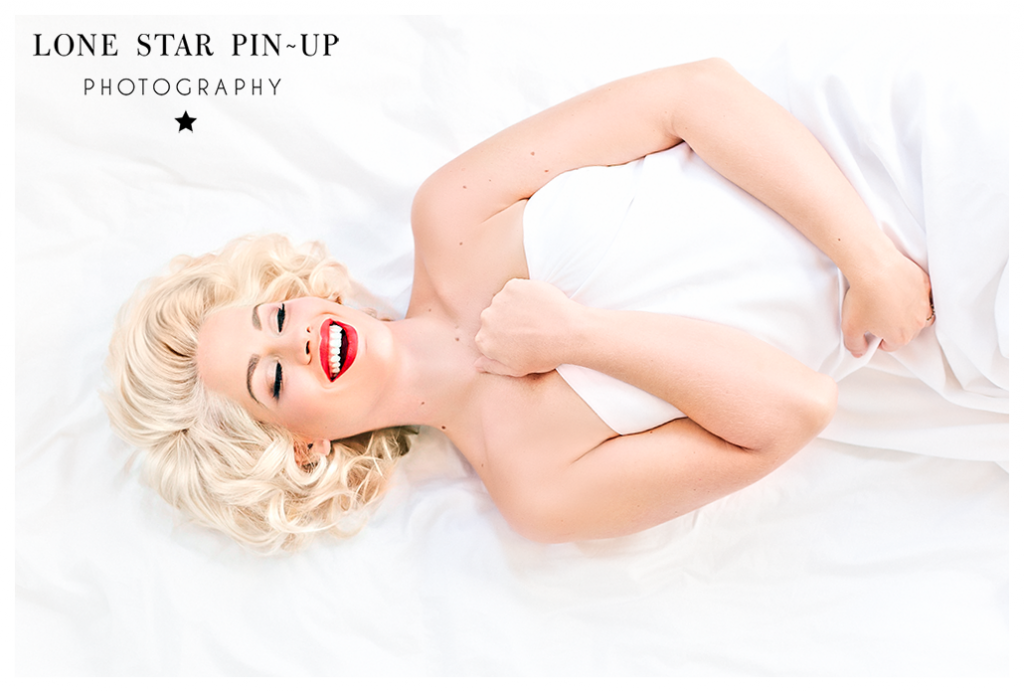
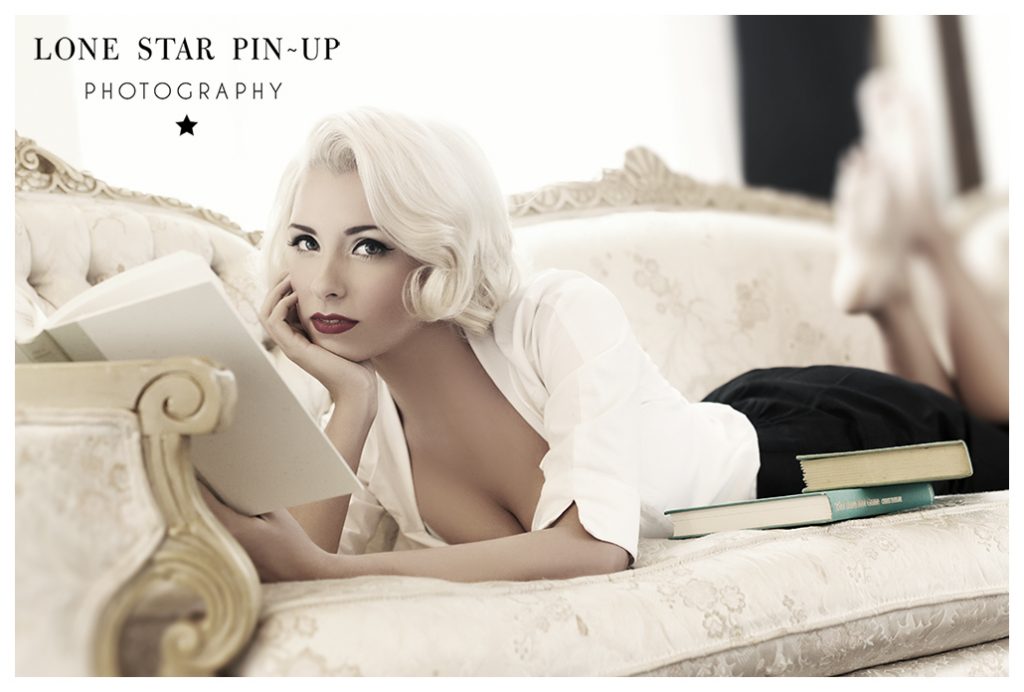
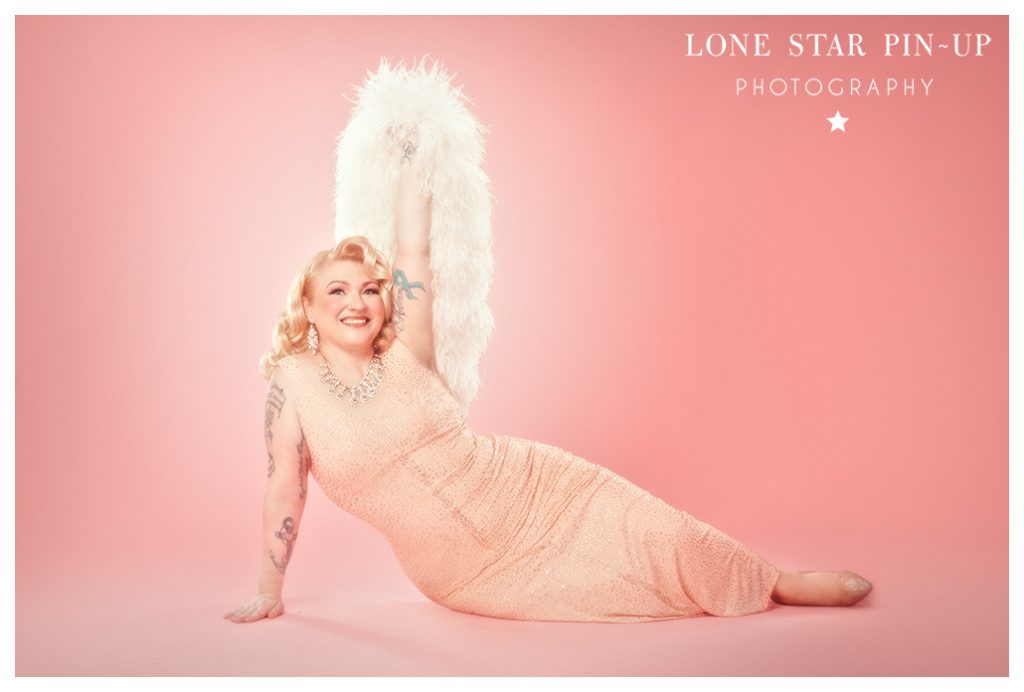
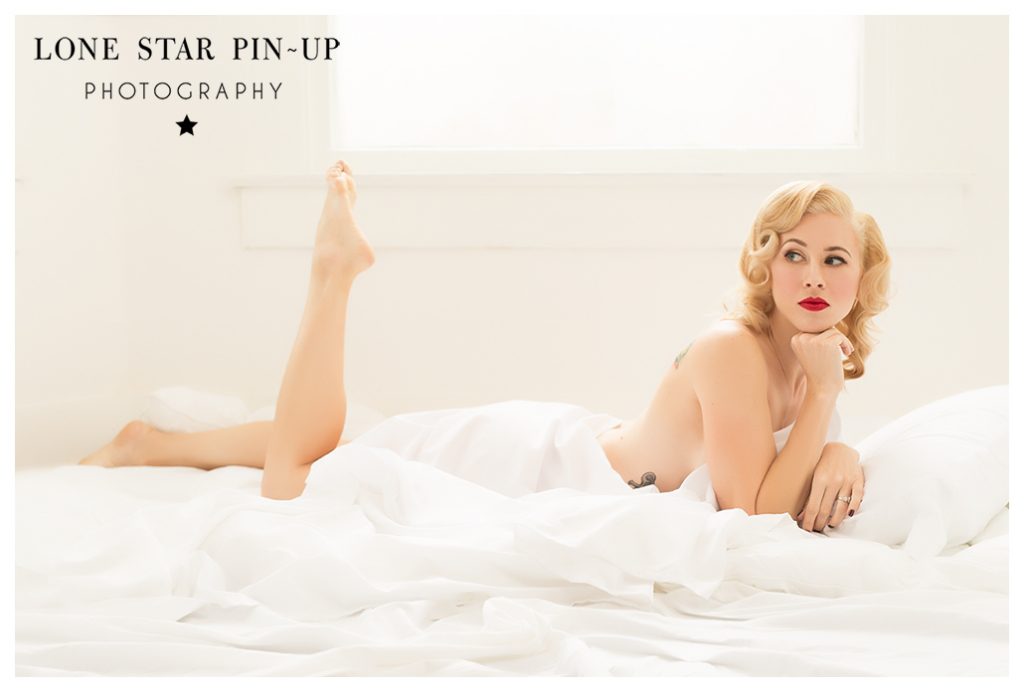
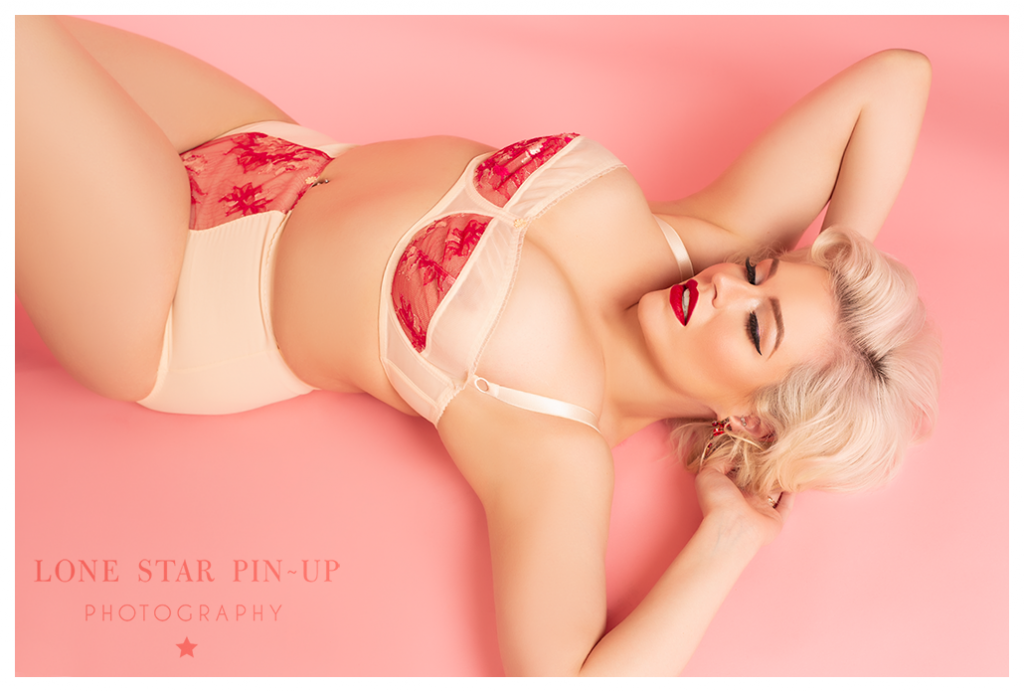
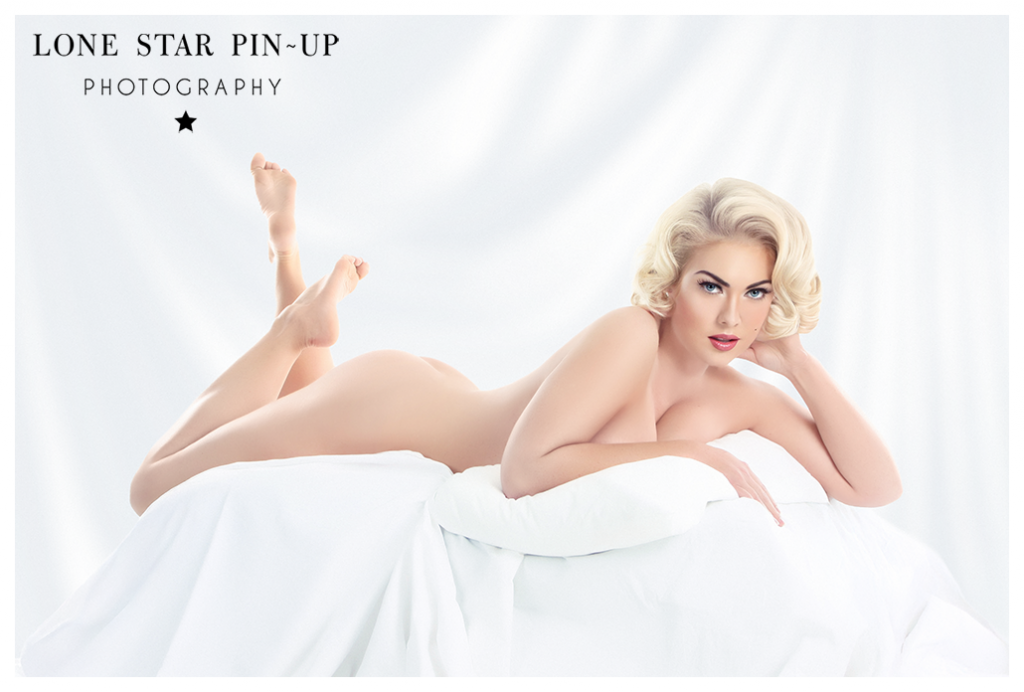
Marilyn remains one of the most beloved sources of inspiration in vintage portraiture, but creating a Marilyn-inspired portrait doesn’t have to mean becoming a copy of her. Maybe it’s the glamorous waves and classic makeup, the diamonds and a dramatic evening gown, a playful Seven Year Itch moment, or the polished glamour of Gentlemen Prefer Blondes. Or perhaps it’s simply the confidence to step in front of a camera and allow yourself to be completely glamorous for a day.
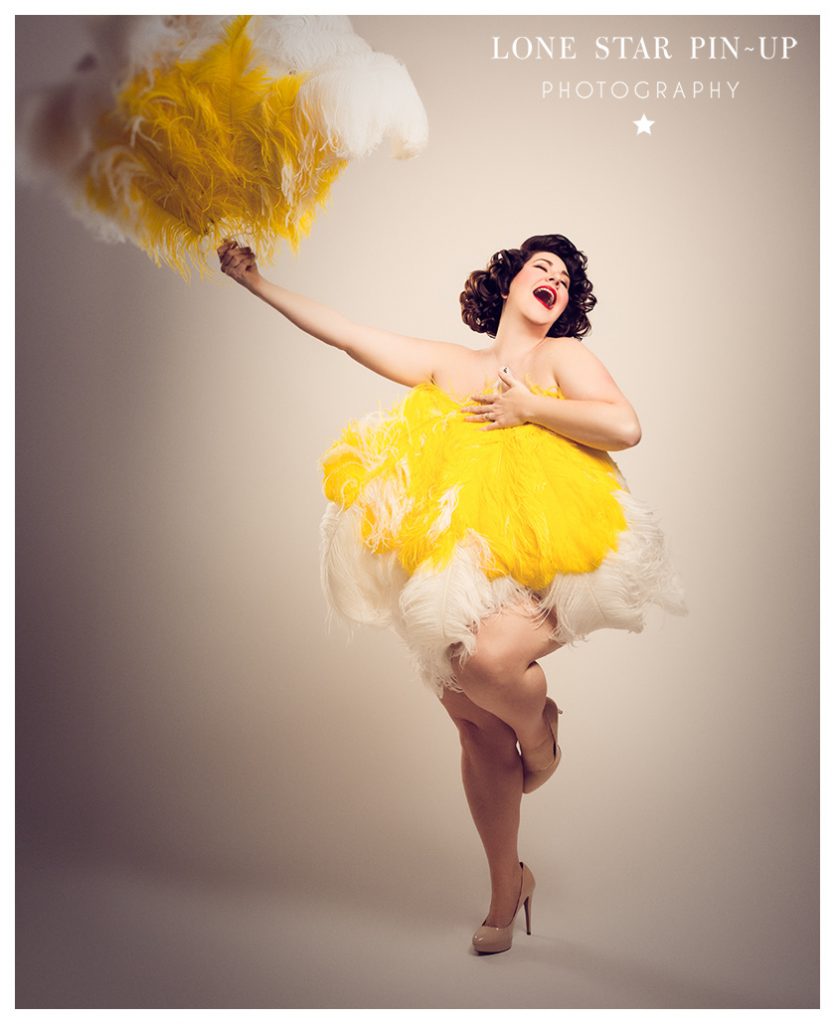
At Lone Star Pin-up, that’s what we love most about vintage inspiration. The goal isn’t to turn you into Marilyn Monroe. It’s to take the elements that made her imagery so unforgettable and use them to create something that still feels unmistakably like you. After all, Marilyn’s greatest style lesson may not have been platinum hair, red lipstick, or a famous white dress. It was understanding the power of creating an image entirely your own.